An official website of the United States government


What will my housing be like in the Peace Corps?
No two Peace Corps housing experiences are alike, just as each Volunteer service experience is unique. That’s part of the journey.
Your home is a place of rest and refuge but it’s also a place that can profoundly shape your daily life, cultural understanding, and integration into your community. Here’s what to expect—from training to your permanent site.
Everything is taken care of before you arrive
Before you ever step foot in country, the Peace Corps will identify and source housing for you. Housing costs are also covered by the Peace Corps. Unlike other programs where you need to identify and pay for your own housing, everything will be taken care of for you. One less thing to be in your departure to-do list!
Pre-service training: living with a host family
You’ll likely live with a host family during pre-service training, which usually lasts two or three months, depending on the country.
Host families become your cultural support system as you learn language, customs, and daily routines. You’ll have your own lockable bedroom and country-appropriate bathroom—sometimes shared, sometimes not. Your host family’s home and guidance prepare you for independent life in the community.
Read more about living with a host family.
Your permanent site: host family or independent housing
After pre-service training, your housing depends on several factors—safety, availability, local norms, and your placement. Once sworn in, Volunteers move to their communities of service where housing requirements vary by program. Some require host family stays of three to six months, others for the duration of service.
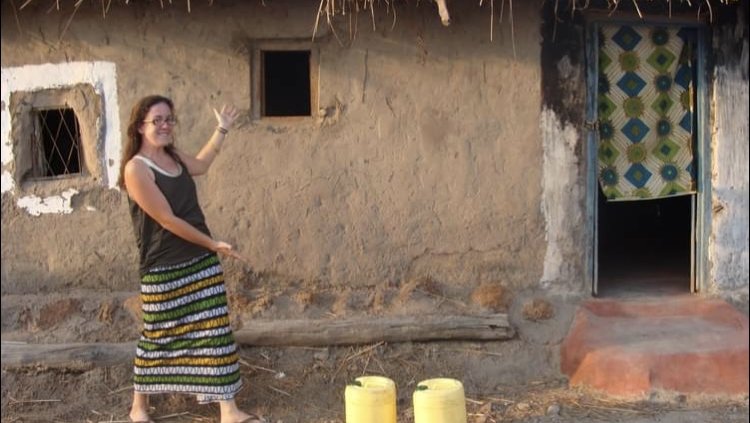
Housing may include a room in a family home, a dwelling on a family compound, or in some cases, a private apartment. In communities with limited options near the partnering organization, living on the property of a host family or even in a room attached to their house, may be the only option.
No matter the type of housing, you’ll have:
- A private bedroom
- Access to a kitchen
- A laundry area
For country-specific housing information, review the Living Conditions page for the relevant country to understand more.
For example, in Albania, after living with a pre-service training host family, Volunteers live with a host family at their permanent site for at least 6 months. This initial 6-month stay is mandatory to support integration and community engagement. After this period, Volunteers may choose to continue living with their host family, if the family agrees, or move into independent housing.
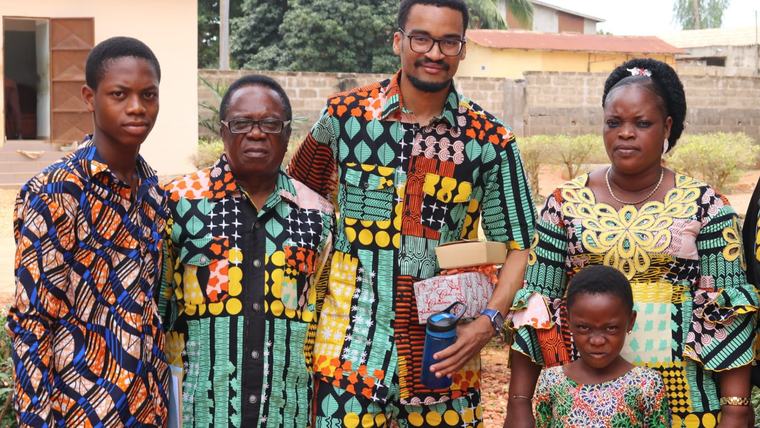
In many African countries like Togo Volunteers live in their own small home within a family compound. Living in a shared compound affords Volunteers a great opportunity to truly be a part of the culture, enjoy the benefits and security of communal living, and better learn the language of their host community. Many Volunteers develop close and lasting relationships with families in their compounds. However, Volunteers can expect far less privacy and more noise than they are used to.
Marin found many important community connections in her host family compound in Zambia. “I have a large host family, which consists of 4 families and their extended families, so I consider myself to have four sets of host parents. My host dads, who are brothers, and their separate families live around me within the family compound, each taking care of me equally. My host father Tenford is the headman and works with the local health clinic. Ruben has a small beekeeping operation, Allan has a considerable livestock project, and Rodrick is a pastor at the local church.”
Building bonds and overcoming challenges
Living with a host family can be a journey. These personal connections are often the heart of cultural integration.
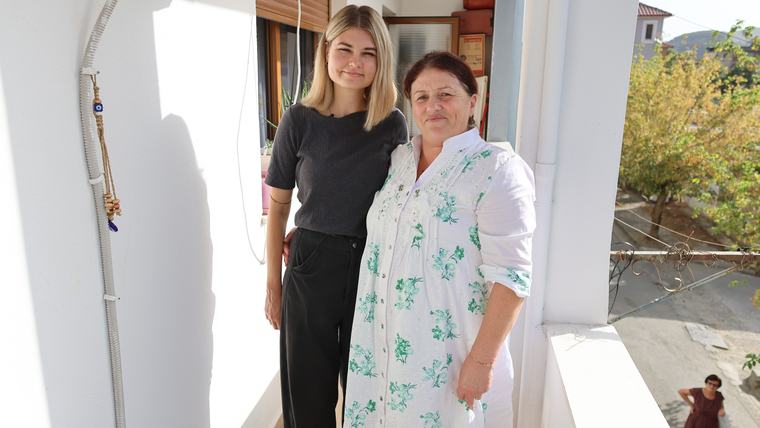
In Albania, Peace Corps Volunteer Rylie chafed against a loss of independence at the start of her homestay but eventually developed a close relationship with her host mom and chose to stay on after the mandatory homestay period ended.
“I love that in the U.S., we’re encouraged to define our own identities and to be independent. But I began to see the beauty in being defined by connections to others. There’s a different kind of freedom in knowing that there are people who care about you and that you always have someone to rely on.” Riley L. (Albania)
“I have a large host family and large extended host family in the community, all of whom have taken it upon themselves to develop strong relationships with me. Being acknowledged as one of my host mother’s sons, as my nephews’ uncle, and as a brother has been a pinnacle of my experience in the Peace Corps thus far.” Michael G. (Nepal)
Kiley made many important connections to further her work in the community via her host family.
“I was blessed with an incredible host family who went above and beyond to welcome me not only into their home but also into their lives. As a part of their family, they introduced me to many people … Being part of their family increased my safety and people's comfort level with me.” Kiley W. (St. Vincent and the Grenadines)
Amenities and practical life
Electricity and water. Expect a wide range when it comes to modern conveniences. Access to electricity and running water varies by country and community. Some Volunteers draw water from a nearby well, while others have running water. Bathrooms range from pit toilets or latrines — separate from the house — to flush toilets inside the house. Some communities may not have access to electricity at all; others will but may experience regular power outages.
In Sri Lanka typical homes do not have air conditioning, hot water, ovens, or refrigerators; gas burners and fire-heated hearths are used for cooking; fans are used for cooling.
In Armenia, some living arrangements have European-style bathrooms, while others might use outhouses.
Internet and phones: Connectivity varies. Some places have reliable Wi-Fi. Others rely on internet cafes, mobile hotspots, or Peace Corps office facilities. The connection quality varies in rural areas where Volunteers live, and Wi-Fi is not commonly available.
Volunteers in Benin generally connect to the internet either using their cell phone or Wi-Fi hotspot device. Most Volunteers find that they have an adequate connection for sending messages and—in many cases—for voice calls. In general, Volunteers are able to complete work that requires internet access at or near their sites using personal laptops connected to their phone or Wi-Fi hotspot.
In Albania and Montenegro almost all Volunteers have an internet cafe close by, but there is no guarantee that internet service will be available at a Volunteer’s host family or partner agency where they work.
Find your next home in the Peace Corps
Your Peace Corps housing isn’t just where you sleep—it’s your classroom, cultural bridge, and community link. Whether it’s a bustling host-family home, a rural independent dwelling, a ger (yurt), or rondavel, your openness shapes your experience. Every living situation involves trade-offs. But these are your launchpad for deep relationships and meaningful service.
From your first night in training to when you swear in, your home abroad becomes the foundation for a journey rich in learning, resilience, and community. And while you may start as a guest, you often end the experience considered part of the family.
If you’re eager to see specifics about housing, check out the “Living Conditions” section on Peace Corps country pages—it’s your preview into the world waiting to welcome you.