An official website of the United States government




Using AI to expand children’s access to learning in the Eastern Caribbean
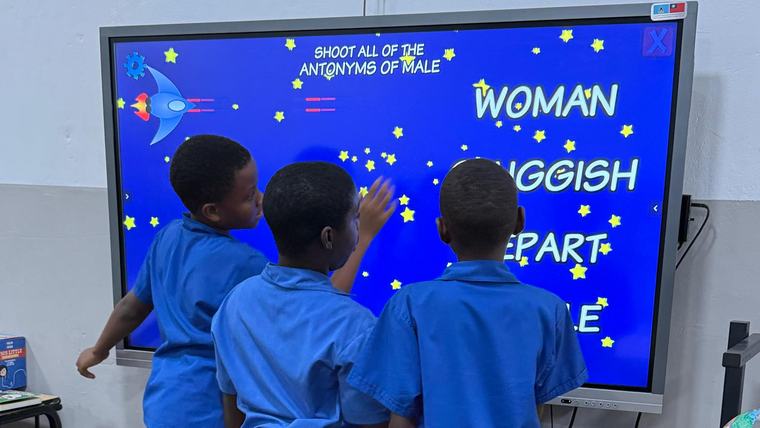
Arthur G., who serves as a Literacy Volunteer in Saint Lucia, shares his experiences helping students in a small community understand and use AI tools in a responsible and meaningful way.
In a small classroom in Saint Lucia, expanding access to learning resources has taken an unexpected turn through conversations with artificial intelligence. What began as an effort to strengthen literacy and give students more tools to express themselves has grown into something far more dynamic: a space where curiosity leads and technology follows.
Learning about AI
I started with Microsoft Copilot, using it to help develop lesson plans and explore new ideas for the curriculum. At first, it was a practical tool, something to assist with structure and save time. I also found myself turning to it for everyday questions, from cooking recipes to quick facts, often instead of a traditional search engine.
As I grew more comfortable, I explored ChatGPT, asking more complex and personal questions, and began to understand the broader potential of AI as a responsive conversational resource. More recently, I’ve started experimenting with platforms like Claude and Gemini, comparing how each one engages and supports users.
Introducing students to AI
What began as a personal exploration quickly found its way into my classroom in my community in Saint Lucia, a small fishing village on the island’s west coast. The primary school here is modest, more than 100 years old, and serves a close-knit population of students. Historically, academic achievement in this community has lagged behind other parts of the country, shaped in part by limited access to educational resources.
At school, students now interact with Copilot as an entry point into both literacy and digital learning. Their first instinct is to treat the AI as a person. They introduce themselves and ask questions as if speaking to a mentor or guidance counselor. They talk about sports heroes, fast cars, and fashion. In doing so, they are practicing something fundamental: forming questions, expressing ideas, and engaging in written communication without fear of judgment. Their natural curiosity drives the interaction, and the technology simply meets them where they are.
An important part of my AI literacy approach is helping students understand that AI is a tool—not a friend, counselor, or authority figure. Before any hands-on use, we watch videos and have discussions about its capabilities, limitations, and potential pitfalls—including AI-generated content, misinformation, and real versus AI-created images.
A multifaceted tool for learning
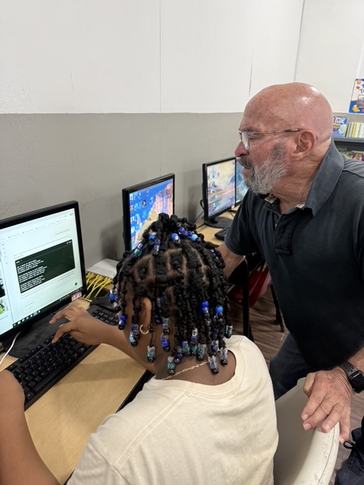
As their confidence grows, so does their creativity. Some students have begun generating detailed stories with AI, sometimes imaginative, sometimes unexpectedly serious or dark. These moments have led to meaningful classroom conversations about storytelling, tone, and audience. Instead of simply producing content, students are learning to reflect on it, question it, and reshape it.
In grades 5 and 6, AI has become a support tool for structured literacy tasks. Students use it to help generate titles, organize their thinking, and develop ideas for written and oral book reports. The AI does not replace their work; rather, it helps them get started, stay organized, and build confidence in their own voice.
Support for writing and more
For many students who struggle to begin writing, this has been a breakthrough. Much of the current conversation around AI in education focuses on top-down approaches training teachers and administrators first, then filtering tools into the classroom. What is happening here is different. This is a bottom-up approach, where students themselves are the entry point. By engaging their questioning minds early, I hope to prepare them for a future in which AI will be a constant presence in how they learn, think, and work.
The impact extends beyond the students. In a setting where access to up-to-date learning materials can be limited, AI provides an immediate and flexible resource for both students and teachers. It allows for more individualized support and opens new possibilities for lesson development and classroom engagement.
Responsible and effective use of AI
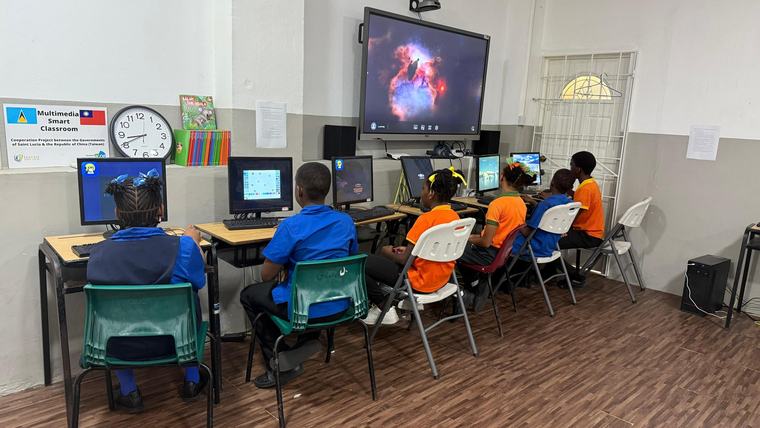
My role has been to guide this process by helping students and teachers use AI thoughtfully, ask better questions, and understand its limitations. I emphasize that AI is a tool to support learning, not replace it. The goal is not just access, but responsible and meaningful use.
What stands out most is that this has become a shared journey. I am learning alongside my students as we navigate this new space together. Through AI, they are strengthening their literacy skills, gaining confidence in communication, and developing the critical thinking needed to engage with technology in a rapidly changing world. I look forward to continuing to refine this approach within our school community, with the long-term goal of expanding it to other schools and communities across the island.