An official website of the United States government



What are the top qualities required to be a great Volunteer?
Peace Corps Volunteers around the world support communities in a huge variety of projects, including engaging the Deaf community in Kenya, teaching coding skills to Albanian youth, working alongside farmers in Panama, and so much more. Although there are a variety of skills required for each Volunteer service opportunity, honing the following qualities will help you succeed as a Peace Corps Volunteer.
1. Curiosity and humility
Curiosity and humility are important throughout pre-service training and service, as you become acquainted with your new home, new people, new workplace, and new ways of doing things. While your skills and experience will be important assets, your ability to stay open and curious will prove more effective than relying on what you already know.
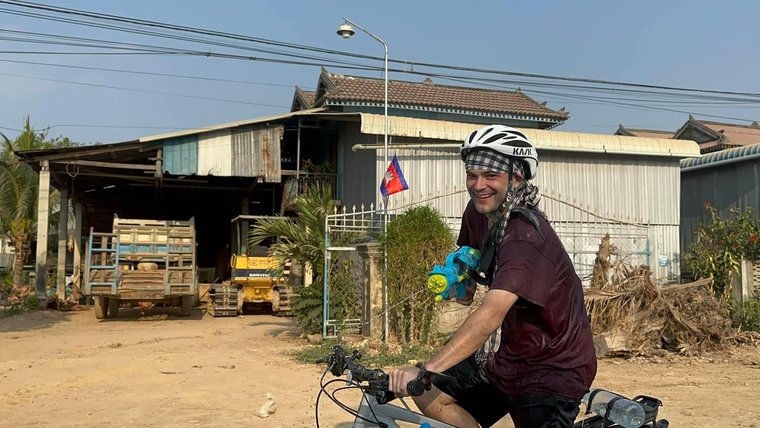
“I like asking a lot of questions, learning about what makes my community special, and adopting local customs. I try to get to know everyone’s names, details about their lives, and what their dreams are. I’m also conducting long-form interviews around town.”
Peace Corps - Reagan A., Cambodia
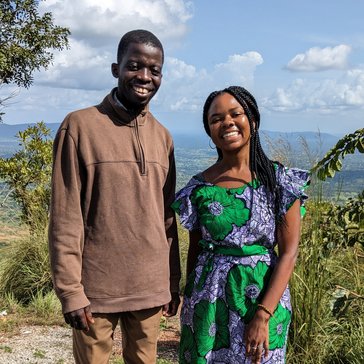
“One of the most important things I’ve learned is how to ask for help. I could not have survived without leaning on so many people in my community. My work partner helped immensely with understanding the school system, but he also helped me find a turkey when I wanted to host Thanksgiving. My language tutor helped me understand the basics of the local language, but he also found a carpenter to build furniture for me when I first moved to site. My time in Togo is filled with stories of people supporting me in endless ways. I’ve learned that asking for help is a strength, and much more effective than struggling to do things alone.”
Peace Corps Volunteer Courtney M., Togo
2. Flexibility
Flexibility is a key strength that goes along with a curious and humble attitude. For example, if your meetings tend to start late or people don’t show up, or if students are absent or have a hard time paying attention in class, there are often good reasons for it. Learning and respecting the cultural difference around punctuality and understanding the reasons behind classroom behavior or absences can go a long way towards gaining trust in the community and helping your projects succeed.
“The work culture in the United States, where effectiveness equates with efficiency, is not the only way to accomplish goals. So much of the work I do with my community is dependent on the relationships and trust built between people. Punctuality may take a second seat when people have familial or personal commitments, and that is perfectly okay. It is more important to spend time with coworkers, building trust and fostering engagement, rather than sharing a list of your credentials. I’ve learned to embrace the ebbs and flows of work and meet people where they are at. Sometimes when you go too fast you miss things along the way.”
Claire B.-C., Peace Corps Volunteer, Belize
3. A collaborative attitude
A collaborative attitude is essential to ensure that the benefits of your efforts continue once your service concludes. As a Volunteer, you will work hand in hand with the community on projects, combining your skills and experience with the ideas, skills, and resources of your host community.
“One of the most important things I’ve learned from my community is the power of collective support and shared purpose. From the start, I’ve been struck by how genuinely invested people are in helping me succeed as a member of their community. Whenever I’ve shared a goal or project idea, I’ve been met with enthusiasm and a willingness to collaborate. Their support goes beyond encouragement; they actively offer their time, resources, and insights to help bring those ideas to life. It’s a level of generosity and solidarity that has deeply impacted me and reshaped how I think about community engagement. I’ve learned that meaningful development is truly a shared journey, and that trust and mutual respect are the foundation of lasting change.”
Learn more about what it takes to be a Volunteer, including the 10 Core Expectations for Volunteers.