An official website of the United States government




What does success look like as a Peace Corps Volunteer?
Since 1961, over 240,000 Americans have served as Peace Corps Volunteers in 142 countries. Each year Peace Corps receives thousands of applications. Often, these applicants have one question in common, “How will I know if I’m a successful Volunteer?” The answer, like much of Peace Corps service, is nuanced and not simple.
To begin understanding what success within the Peace Corps looks like, we must start with the agency’s three goals:
- To help the countries interested in meeting their need for trained people.
- To help promote a better understanding of Americans on the part of the peoples served.
- To help promote a better understanding of other peoples on the part of Americans.
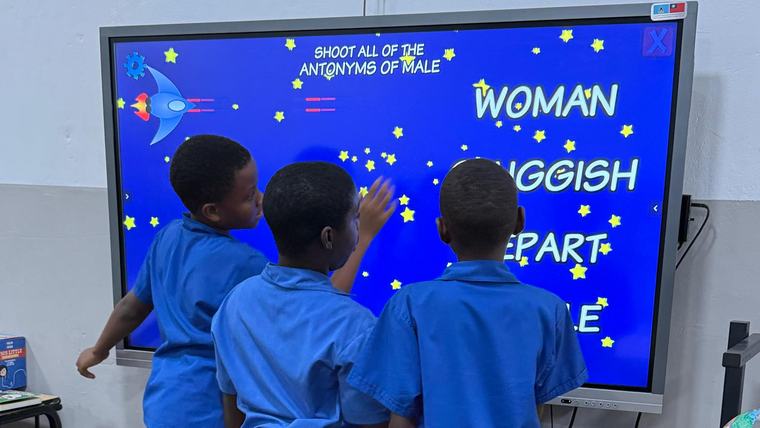
The first goal of Peace Corps is to offer assistance to others. As a Volunteer, this goal can take many shapes. It could be found in your main assignment, a side project, or in simply helping your young neighbor with their English homework.
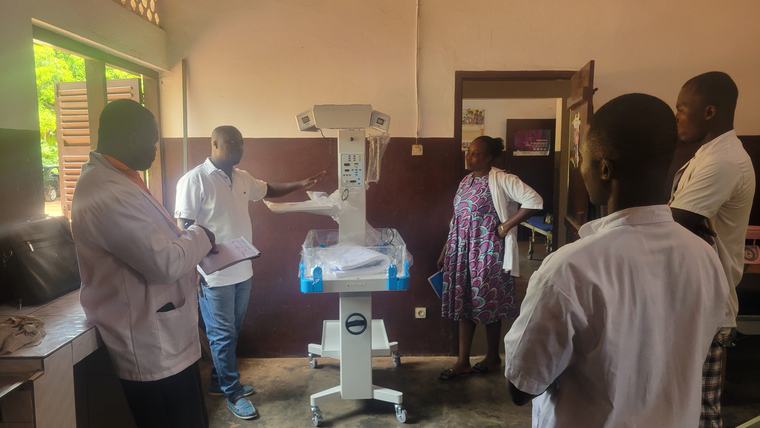
On a quarterly basis, you will complete a Volunteer Reporting Form (VRF), which provides data to the Peace Corps about your work. These reports are compiled on both country levels and global levels and they measure the impact of Peace Corps Volunteers in numbers. For many, reporting that they trained 50 local farmers, taught 200 students, or planted 40 new trees is a rewarding process—it’s quantifiable and satiates our modern love for data-driven work.
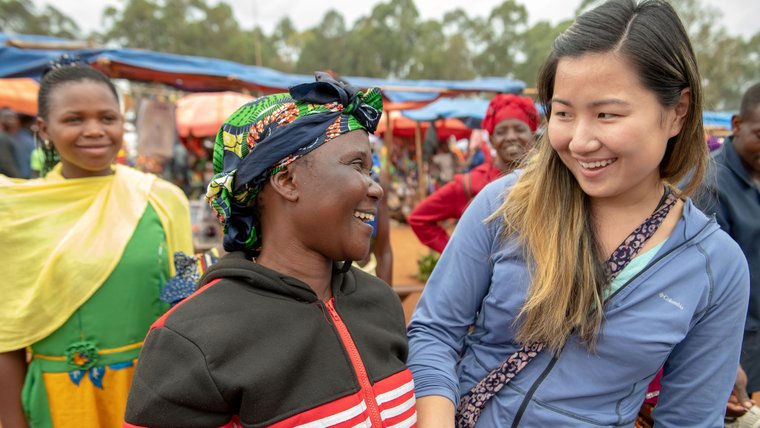
However, Peace Corps goals 2 and 3 show that service is much more than numbers. Volunteers engage in intercultural exchange as part of their service and throughout their lives. These interactions are the bulk of the day-to-day that Volunteers live through in communities around the world. These are the informal moments—the chat with a fellow teacher before school starts, the sharing of a laugh with a shopkeeper. These moments are brief, unplanned, and hard to quantify. However, they are critically important to the Volunteer experience, the life of a counterpart, and to the Peace Corps’ goals.
Success in Peace Corps service is demonstrated through a combination of project development and work—the countable aspects of a Volunteer’s life, and the intercultural exchange—the mosaic of moments that make up the daily life of Volunteers. Peace Corps service is also incredibly variable—each Volunteer has a completely unique experience. Some Volunteers will be fully engaged in their work but, despite their best efforts, struggle to connect with the local culture. Other Volunteers might find themselves integrated quickly into their new surroundings but be slower to develop projects at work. Both experiences have value. Because each Volunteer’s service is a mixture of individual personalities and contexts, results—successes—vary. Volunteers who are comfortable with success taking many shapes are often the most productive and fulfilled.
For years, Peace Corps was branded as “the toughest job you’ll ever love.” A lot of that sentiment stems from the nature of the work. Peace Corps Volunteers take on a wide variety of challenges—limited resources, new languages, and unfamiliar cultural norms—with the hope that, in the end, they will help others. Despite the challenges, the majority of our Volunteers find their experience rewarding. According to the agency's Annual Volunteer Survey (AVS), four out of 5 Volunteers in 2024 said they would make the same decision to serve again. Successes in service may by large or small, qualitative or quantitative, or take years to fully manifest, but, in the end, success as a Peace Corps Volunteer is yours to define.
Peace Corps has many Volunteer profiles and blog posts from Volunteers that you can read to learn about different ways Volunteers define the impacts of their service.