An official website of the United States government




How Peace Corps Volunteers live the values of Good Neighbor Day America
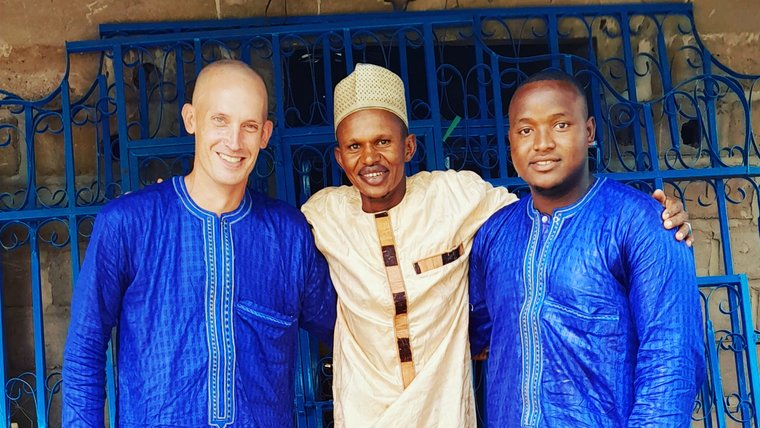
Communities across the country celebrate Good Neighbor Day America on May 16, 2026, and lean into the qualities that strengthen our neighborhoods.
Peace Corps Volunteers around the world find qualities of kindness, connection, and service that are central to this day at the core of daily life abroad. In their host communities, Volunteers also build strong connections with neighbors and other community members through steady participation, mutual respect, and small acts of care that ripple outward.
Belonging, the foundation of community
For many Volunteers, becoming a good neighbor begins with a sense of belonging. Sean M., serving in The Gambia, describes how community ties transformed not only his service but his identity. When his host father passed away, he became the oldest male in his compound, which meant that he also became the head of the compound and represented his host family at meetings or gatherings.
“When people ask where home is, my first response is: my village. The feeling of belonging and a sense of responsibility to help the place I call home is what I enjoy most,” said Sean.
For Volunteers like Sean, belonging means stepping into roles that support the whole.
Host families create new connections
Many Volunteers find that living with a host family helps them become embedded in a larger network of family, friends, and neighbors. Peace Corps Volunteer Aaron C. reflects on a visit to his host parents’ hometown in the Dominican Republic:
“My host grandma stuffed me with her delicious cooking … We ended the night in front of the family house, dancing and singing to the neighbor’s bachata … That day, I felt part of the family.”
Making connections through warmth, food, music, and storytelling is often a central part of the Peace Corps experience and a powerful way to create bonds in a community.
Connection through shared daily life
For Roshana G., connecting with neighbors meant simply spending time outside the shop attached to her home in Jamaica, where people gathered:
“Sitting outside the shop morning and night helped me ease into community dynamics very easily. Additionally, I take regular walks around my community and neighboring communities often, always taking the time to pause and chat when someone flags me down.”
This slow, everyday engagement—greeting people, learning names, accepting invitations—is a common theme of Peace Corps service. Many Volunteers find that strong connections grow from paying consistent attention to the people around them.
New bonds, one small gesture at a time
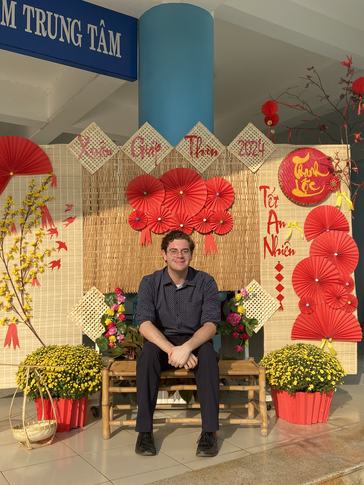
Peace Corps Volunteers also find connections with those nearby often materialize through small but meaningful actions. Matthew B. remembers walking home after school in Viet Nam when a student biked beside him and handed him a bottle of water:
“This student had gone out of his way … I was so touched by that gesture … the small moments have often left some of the deepest impressions on me.”
Small expressions of thoughtfulness remind people they are a valued part of a community.
Working side by side
In rural areas where many Volunteers live and work, neighbors often pitch in to get a job done, strengthening the network of community ties. Roshana G., a Peace Corps Volunteer in Jamaica, recalls:
“Another important way I have connected with people is by working on local farms. Whenever community members introduce me to new people, they often mention how much I love helping out on the farms, whether it’s in the hot sun or pouring rain, when most people would typically take cover. Showing that I’m willing to work alongside others, no matter the conditions, helped build trust and strong relationships (and often a pretty gnarly sunburn).”
In Timor-Leste, Isabelle L. discovered that planting rice is an activity that brings everyone together in a tiring, muddy but fun affair. “In one weekend, our town went from the drab browns of muddy rice paddies to the verdant green hues of the newly planted rice seedlings. I was happy to be able to participate in this all-hands-on-deck activity, where everyone from the ages of 12 to 60 got involved!
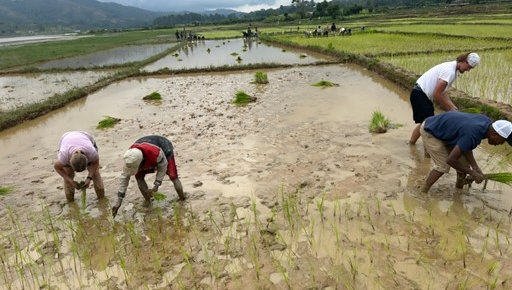
Strong relationships translate into energy, collaboration, and support for community-led initiatives that Peace Corps Volunteers participate in.
Building the communities we want to live in
Good Neighbor Day America 2026 highlights the ways in which we can build the kind of communities we want here in the U.S. and across the world—places where care is mutual, inclusion is intentional, and service is part of everyday life. What will you build in your community?