An official website of the United States government


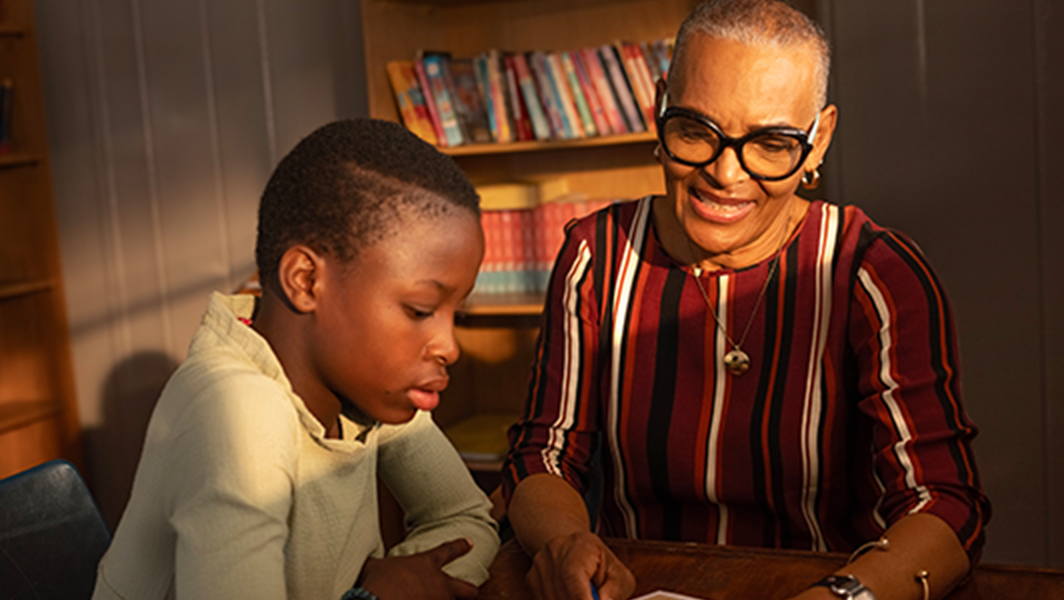
Highlighting service on America’s 250th anniversary
As the Peace Corps recognizes its 65th anniversary and as America gets ready to celebrate its 250th anniversary this year, it’s a national moment to reflect on who we are and how we want to show up for one another in the years ahead.
Giving and service are at the heart of America250’s “Giving 4th” idea, a call for Americans to turn July 4th into a day of volunteering and community action. Peace Corps Volunteers live this spirit not once a year, but every day, as common themes of connection, collaboration, and service come alive in their activities around the world—whether teaching English in Indonesia or building safer infrastructure in Fiji.
In Fiji, Volunteer Gloire G. serves his community in a variety of ways: “I’ve been able to secure grants for a few big projects in the village. One is a community hall that will also serve as an evacuation center for when there’s a natural disaster. Another big project is building footpaths and installing streetlights in the village for safety and accessibility… I’ve also been helping with smaller projects, like supporting the youth club in securing a small grant, and beekeeping for one community member. I’ve helped a few women in the women’s group secure jobs in town. Overall, I’m proud to work on these important projects and I trust that these relationships will continue long after I leave.”
A two-way exchange
Volunteers speak about being transformed by the communities they serve, underscoring the notion that Peace Corps service is a two-way exchange.
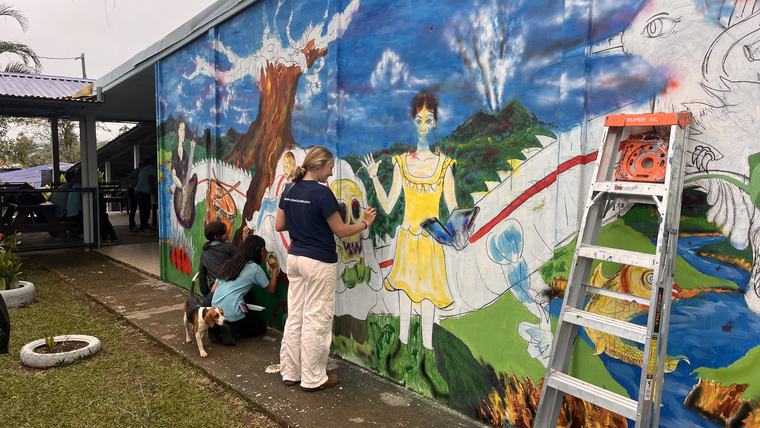
Phoebe L., serving in Costa Rica, reflects, “At the elementary school, my relationships with the students have been incredibly rewarding—their curiosity, affection, and attention to small details about my life remind me how powerful trust and presence can be. These relationships feel reciprocal; I’ve learned as much from this community as I hope I’ve contributed.”
In Indonesia, Volunteer Maggie D. describes what she has learned from her host family: “They have taught me to not worry about what we have, but to just give, because the more we give the more we gain; the needs of others are the needs of us all as a whole…”
Fostering empathy and connection
Service is not just an offering, but a shared learning experience—one that deepens empathy and connection. This comes alive in Peace Corps service through cultural exchange and the simple, everyday sharing of life.
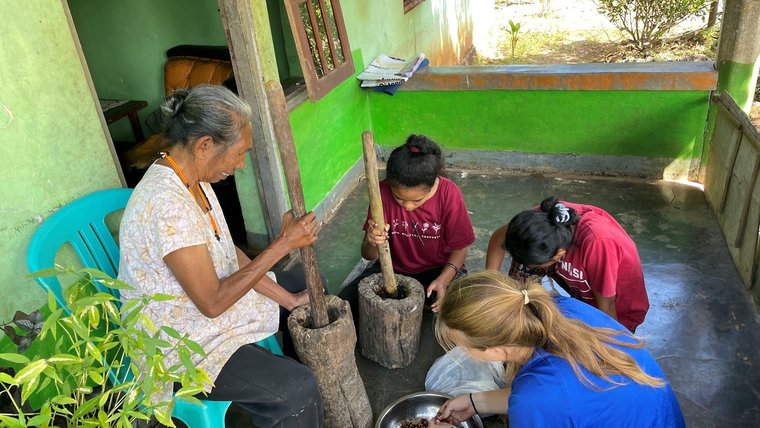
Like Americans in neighborhoods across the U.S., Nada M., serving in Madagascar, exchanges food traditions with her community: “I love to share meals with my friends and host family. I sometimes cook typical American meals while my neighbor will cook Malagasy meals.”
In Cameroon, Jesse Y. observes: “One of the biggest [things I’ve learned in Cameroon] has been to appreciate differences, to be curious and ask questions, to hear what is said, and gain insight into motives and beliefs. That cultural sensitivity and open-mindedness has not only allowed me to better integrate within my community but also take one more step towards being the kind of person I’d like to be in life.”
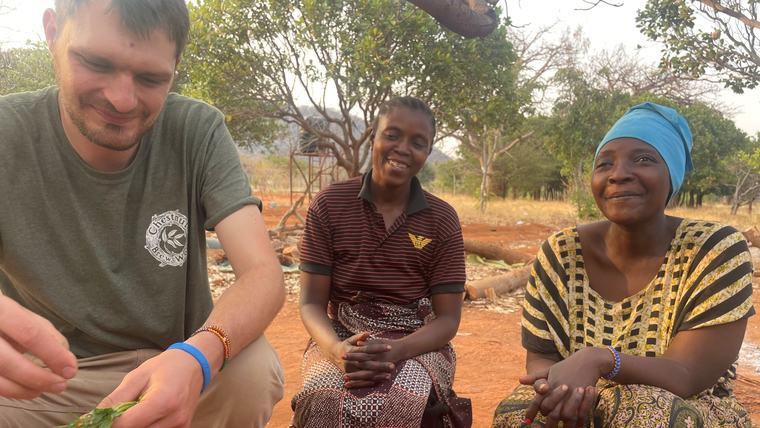
Tanzania Volunteer Adam R. has learned that local people offer unique insights into problem-solving: “As an engineer … I have learned a great deal from the locals about how to come up with creative solutions. These solutions may involve different approaches to what I consider to be standard practice. But different is not wrong.”
Community and unity
Community and unity are also central themes of the America250 celebration, which aims to bring people together across neighborhoods, towns, and states.
Peace Corps Volunteers experience that kind of unity on a profound level.
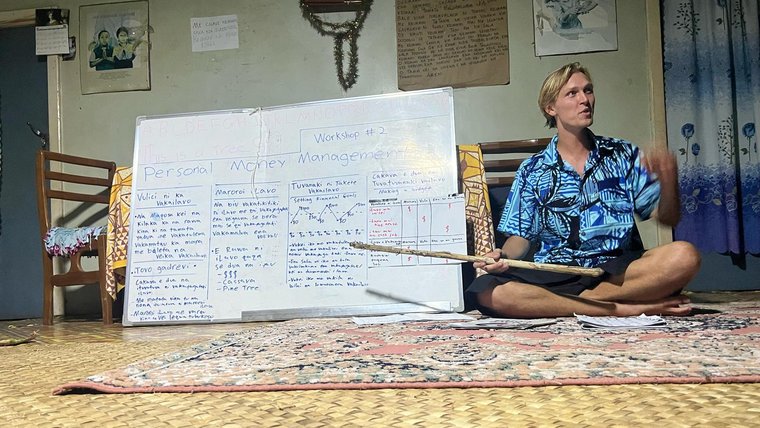
In Fiji, Volunteer Declan T. shares, “My friends in the village love to help, and love to hone my potential, in the same way I’m here to help them hone their potential in business. Bidirectional learning is fundamental to this experience.”
Ben L., a Volunteer in Indonesia, observes: “The Indonesian culture of welcoming others like family is something I will always be grateful for. Members of the community, my family, and my friends always ask if I have eaten or where I am going … When people are in need of help, the community always comes together to help.”
Supporting each other is essential to nurturing our connections, whether at home or abroad.
Service shapes the future
Together, these Volunteer stories embody the values of America250—in classrooms, fields, markets, and living rooms around the world. Peace Corps Volunteers remind us that service, unity, and shared stories have the power to shape not just a celebration, but a future. As America looks toward its next 250 years, these Volunteers offer a hopeful vision: that our greatest strength lies in how we show up for each other, listen to one another, and build something meaningful—together.