 An official website of the United States government


Featured Volunteer Profile
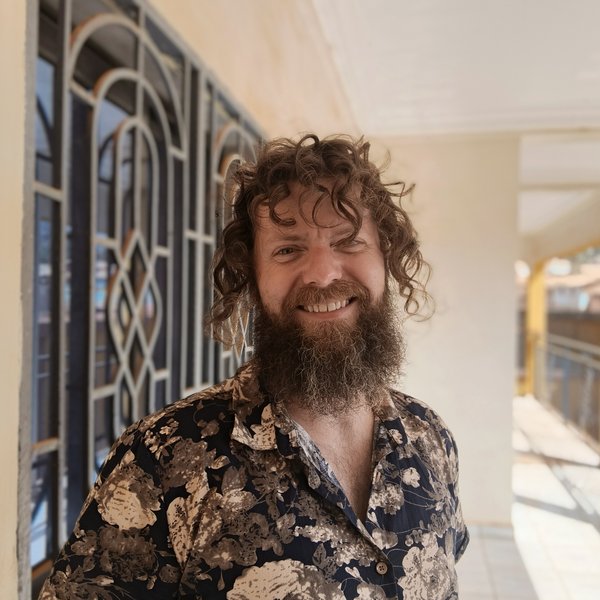
Jesse Y.
“In my time here I see every tiny project that reached one or two families as shaping those here even decades after I leave. I value each connection I've made.”
1. What got you interested in the Peace Corps?
Initially it started as a distant dream of a possibility; I was living in a school bus on a remote farm reimagining myself and what the next step of my life would be. I was reading accounts of the Peace Corps and thought it would be amazing to be part of something that takes shared responsibility for creating the change I want to see in the world. I was becoming aware of myself as a global citizen and wanting to dedicate my future to interconnectedness, interdependence, and becoming someone who contributes to a more just and sustainable world.
2. What projects are you working on?
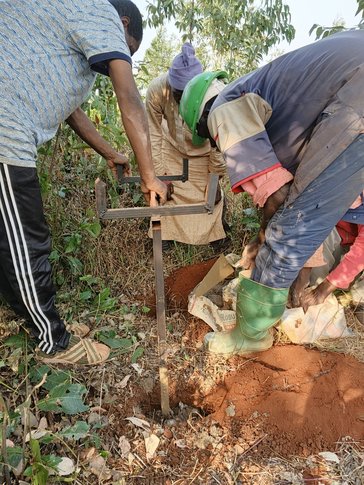
I’m currently working with a beekeeping co-operative that is receiving training on the best practices of beekeeping, honey production, and business to ensure long-term success. The village carpenter uses local supplies to manufacture beehives, boosting sustainability, lowering costs, and bringing him another source of revenue. I am working with the chief to quadruple the land access for local female farmers and ensure they will have ongoing access to it, instead of having to make annual deals with farmers to use pieces of land that were less desirable and frequently unfenced. Finally, an organization that focuses exclusively on wheat cultivation will soon give a free demonstration of techniques, seeds, and everything required to start wheat production in our community!
3. What strategies have you used to integrate into your community?
I’ve gone on walks or bike rides around town, visiting the center and common gathering areas. Early on I focused on learning the boutique owner’s names and families, visiting homes and learning about home gardens. I got to know my neighbor’s agricultural interests as well and focused some projects on one or two households so I could learn more about the daily lives of women and children. With boutique owners I could communicate with a shared language and have deeper conversations, while at people’s homes I used a local language and typically involved myself in household tasks alongside the children to learn a different side of things. I also hosted conversation clubs, worked with people in their fields, and read literature to help understand the new world around me.
4. What is a highlight of your time in service so far?
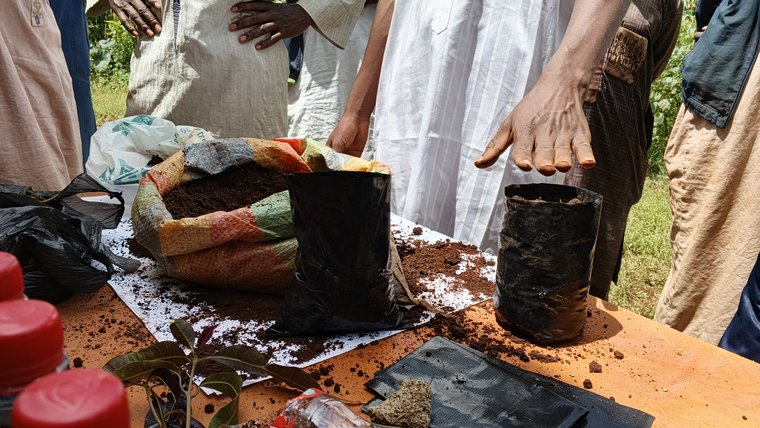
I like to think about how, especially in the field of development, the large scale is a reflection of the small. The entire community is a reflection of all the individuals within it, just as the tiny sapling I planted has the same leaves at 2 weeks old as it now shows at two years but multiplied many times as it reaches for the sun. In my time here I see every tiny project that reached one or two families as shaping those here even decades after I leave. I value each connection I've made. The trees we planted will grow and give fruits or get cut for wood; our cultivating techniques will continue but shift and adapt over time; but the impressions and changes we made by honestly being together will last.
5. What have you enjoyed most about the community where you are serving?
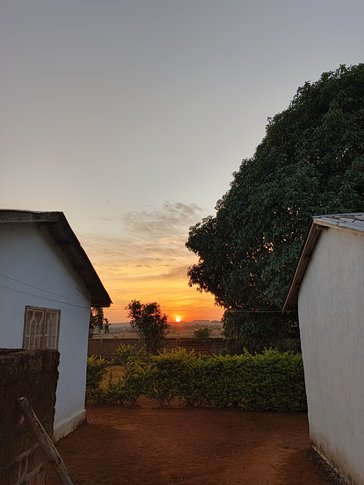
I wouldn’t say most, as none of the things I'm talking about here are in competition with each other; however, let’s talk about the natural beauty of this place! The village was extremely well designed in the interest of having a focal point for the community to gather, tons of green space with mango and avocado trees in every equal-sized yard, ancient eucalyptus trees lining the streets, and a lake with gorgeous sunrises over it every morning. We’ve got multiple waterfalls within walking distance with miles of trails in between where wild guava trees offer snacks along the way.
6. What are some of the most important things you’ve learned from your community?
One of the biggest has been to appreciate differences, to be curious and ask questions, to hear what is said, and gain insight into motives and beliefs. That cultural sensitivity and open-mindedness has not only allowed me to better integrate within my community but also take one more step towards being the kind of person I’d like to be in life.
7. How do you spend time when not working on a project?
I’m finishing an incredible but demanding reading list a friend gave me before I left for Cameroon, as well as doing morning mobilities to get my body ready for the day. Burning incense and listening to lots of lo-fi while cleaning around the house. I’ve enjoyed preparing local recipes, trying to perfect them, as well as cooking up big batches of my own creations for my host family and neighbors. I help on my buddies’ farms or just spend time sitting with friends not doing anything. I make my morning pour-over coffee and sip it while watching the beauty of the sunrise and watching the many different types of birds, and I go on bike rides and hikes sometimes with friends, or sometimes alone just to enjoy the tranquil countryside.
8. What are you looking forward to in your remaining time as a Volunteer?
I’m really looking forward to the implementation and monitoring aspects of a few of my last projects here and ensuring they all go well before transferring to the next site for my third year. I can’t wait to give out all my furniture, kitchenware, clothing, and handing out presents when I leave my first site. I’m also really looking forward to moving to a city for my third year so I can go back to playing basketball regularly and getting back into a bit better shape (Cameroonian food is too good, and my metabolism is slowing down, ha ha) as well as having more frequent access to electricity, fans, running water, and all those city luxuries!
9. Once you finish service, what will you do differently when you return to the U.S.?
I believe a willingness to embrace the mundane and be comfortable with just sitting and being in places has been a lifestyle change that will follow me back to the U.S. I have been further encouraged through my experiences here, readings, and monitoring world events to be an outspoken advocate for justice and find ways to not be complicit in any harm regardless of differences. While here, I also decided to pursue a master’s in global studies after returning home.
Learn more about serving as a Peace Corps Volunteer in Cameroon.



