 An official website of the United States government


Featured Volunteer Profile
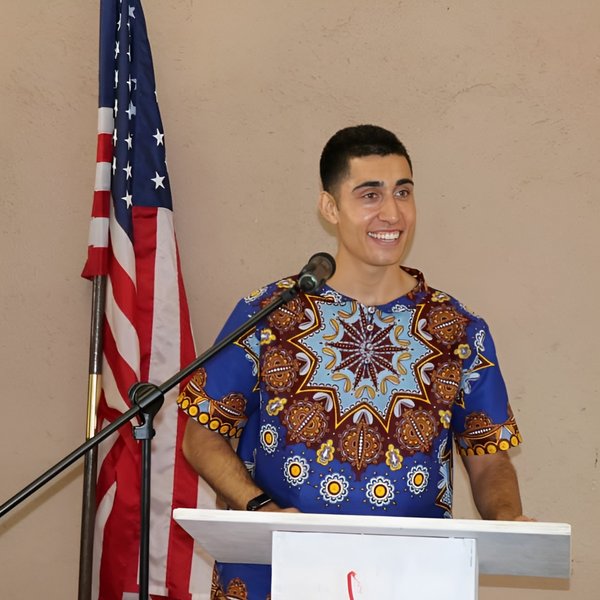
Sam E.
“One of the most important things I’ve learned from my community is the value of patience and adaptability. Life here moves at a different rhythm than what I was used to, and that’s helped me let go of rigid expectations and learn to go with the flow.”
1. What got you interested in the Peace Corps?
I first got interested in the Peace Corps back in university when a friend of mine decided to join. I remember thinking how incredible it sounded to live in a completely different culture, experience life in a totally new way, and make a real difference. It planted a seed in my mind. As years passed and the more I thought about it, the more it felt like the kind of adventure and challenge I wanted for myself. The idea of stepping out of my comfort zone, learning from others, and contributing to something bigger just felt right. That’s what drew me in and ultimately led me to apply.
2. What projects are you working on?
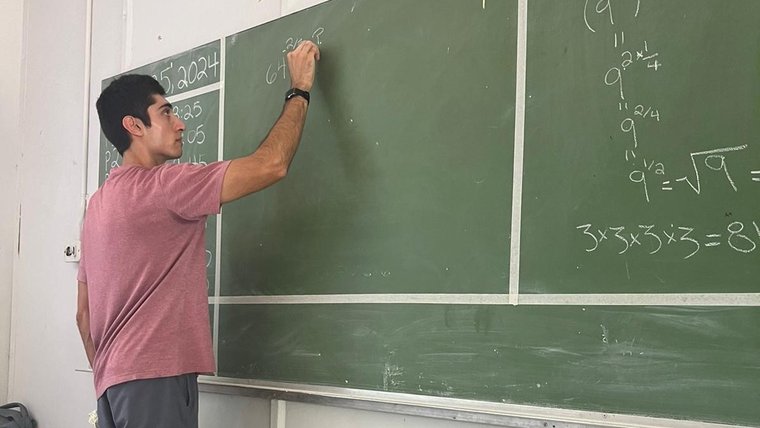
I am currently a high school math teacher, working with nearly 200 learners across grades 8, 9, and 10. Recognizing that learning happens beyond regular class hours, I started a weekly sudoku club to make math more engaging and offered after-school tutoring sessions. These initiatives have been great ways to help close learning gaps while making math more enjoyable.
3. What strategies have you used to integrate into your community?
One of the first things I did was take the time to learn basic greetings in the different languages; it goes a long way in building connections and showing respect. I’ve also made an effort to join in on community activities, like attending local events or just spending time chatting with people I see around town. Whether I’m talking with a colleague or someone random on the street, I try to be curious and ask questions about traditions and daily life, which has opened the door to some great conversations. Building relationships has been about being approachable, showing genuine interest, and being patient as those bonds grow.
4. What is a highlight of your time in service so far?
I think the highlight of my service so far has been the relationships I’ve built. From fellow Volunteers who’ve become close friends to the incredible people in my community, these connections have made this experience so meaningful. Whether it’s sharing stories with colleagues, laughing with my learners, or travelling around Namibia with my Peace Corps friends, these relationships have been the heart of my time here and something I’ll always cherish.
5. What have you enjoyed most about the community where you are serving?
What I’ve enjoyed most is the sense of connection and warmth in the community. People here are incredibly friendly and always willing to share their stories, traditions, and perspectives. My town also has this unique charm with its history as a mining town and its vibrant surroundings. It’s such a beautiful place to explore. But honestly, what stands out the most is how people have welcomed me and made me feel at home.
6. What are some of the most important things you’ve learned from your community?
One of the most important things I’ve learned from my community is the value of patience and adaptability. Life here moves at a different rhythm than what I was used to, and that’s helped me let go of rigid expectations and learn to go with the flow. Whether it’s adjusting to changes in plans, waiting for things to unfold in their own time, or finding creative solutions when resources are limited, I’ve realized how important it is to stay flexible and focus on what really matters.
7. How do you spend time when you are not working on a project?
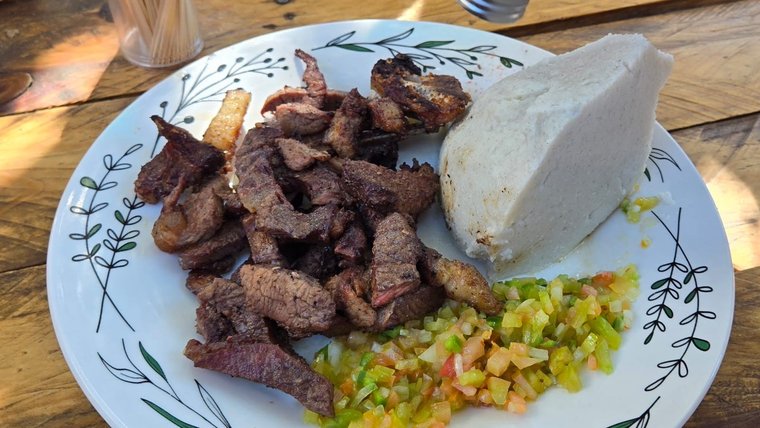
When I’m not teaching, I’m usually going for walks around town, reading, exercising, or eating at my favorite kapana spot!
8. What are you looking forward to in your remaining time as a Volunteer?
During my last year in Namibia, I'm really excited to take everything I learned in my first year and build on it to make my second year even more rewarding. Teaching has a steep learning curve, but now that I've found my groove, I can't wait to really make this last year count. The students and I have gotten to know each other so well, and I feel like I can be a much better teacher for them now that I understand what works in our classroom.
9. Once you finish service, what will you do differently when you return to the U.S.?
Once I finish my service, I’ll return to the U.S. with a deeper sense of gratitude and perspective. Living and working in Namibia has helped me appreciate the small things I once took for granted. I also plan to be more intentional about slowing down and staying present, rather than getting swept up in the fast pace of everyday life.
Interested in learning more about serving in Namibia? Connect with a recruiter today.



