 An official website of the United States government




Featured Volunteer Profile
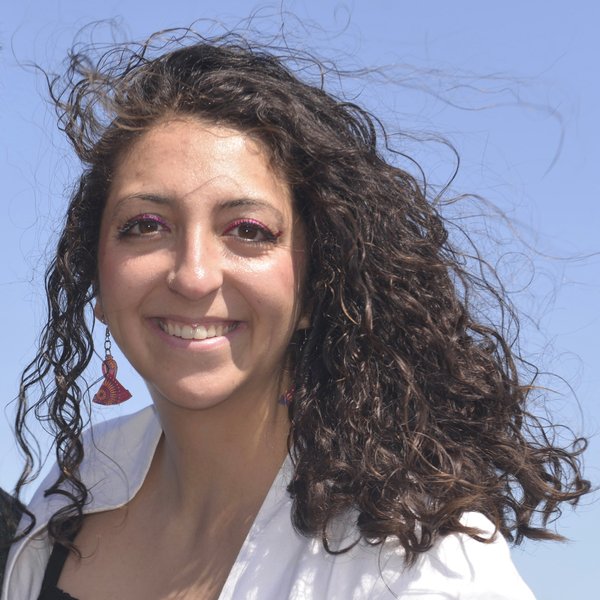
Dylann N.
“My service has given me an overall mindset shift; I have become more resilient, more determined, and more creative. I will take these traits into my personal and professional life after service.”
1. What got you interested in the Peace Corps?
As a first-generation American and daughter of refugees, I have always been drawn to working in international development. My decision to join the Peace Corps came at a pivotal moment in my career, when I was working closely with a woman who was recently resettled to the United States and was battling stage IV cervical cancer. Working with her and her family gave me a unique perspective that pushed me towards pursuing my passions and professional ambitions. Seeing that health education and more accessible care could have kept a mother with her family pushed me to pivot into development work. I chose the Peace Corps because of the unique advantage it offers—having the opportunity to work at the grassroots level and serve a community by living in it and trying one’s best to understand it.
2. What projects are you working on?
In order to improve adolescent health outcomes across the community, my counterparts and I collaborated to establish a youth health center at our local health clinic. This space offers privacy for young people seeking healthcare and encourages them to take ownership of their health. Daily adolescent health talks are given each morning, making education the centerpiece of the project. We cultivate ongoing buy-in from youth by using multiple feedback mechanisms.
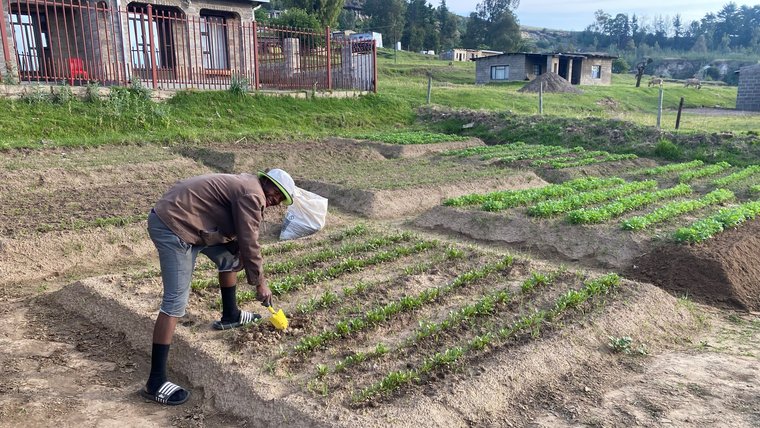
We also support the community’s most vulnerable adolescents who are living with HIV by helping them grow vegetables in home gardens. We held a one-day workshop on building sustainable plots, planting methods, and seed and material distribution, and provide ongoing support for the gardens. The adolescents and their caretakers also participate in an ongoing nutrition club, where they learn about healthy living, food preservation methods, and receive guidance on how to support their peers with their gardens as well. We also provided guidance for using the gardens as an income-generating activity, with ongoing economic empowerment support.
3. What strategies have you used to integrate into your community?
To integrate into my community, I made a habit of going on daily walks and runs around my village. This allows community members to become familiar with me and recognize me as part of their community. My example even led to the formation of multiple fitness clubs among various community groups. I also greet every person I pass, so they see me as a friendly and approachable person. To promote integration and complete a needs assessment, my counterpart and I visited numerous community members at their homes to interview them and give them a chance to get to know me better. Overall, being present, approachable, and actively engaging with others has allowed me to better integrate with community members and feel a sense of belonging myself.
4. What is a highlight of your time in service so far?
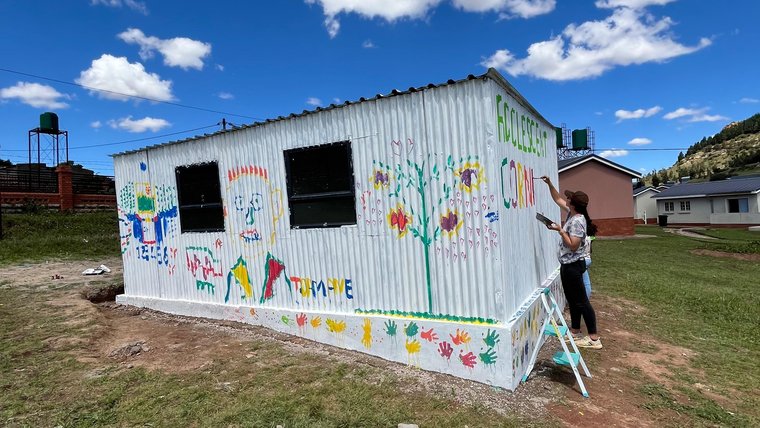
The highlight of my service so far has been seeing the tangible impacts of projects on people's lives. For example, in the nutrition project we implemented, adolescents and their caretakers took such pride in showing off their achievements. Seeing a successful vegetable garden where there was once weeds is exciting, but seeing participants’ pride in their hard work and success is the real highlight for me. Building the adolescent corner was exciting for me and my community, but seeing the adolescents paint it, knowing it belonged to them, was even more exciting. The community ownership and pride that results from a thriving project is what solidifies the success of that project and to me that is a real highlight of service.
5. What have you enjoyed most about the community where you are serving?
My community is special because it hosts an NGO that works with Deaf farmers. I have been able to develop close relationships with the members and have even collaborated with them on many projects! We partnered to provide baskets with fresh produce from their farms to vulnerable patients living with HIV. We also co-created a YouTube video that translates common health words from Sesotho into sign language, making healthcare services more accessible to Lesotho’s Deaf community. The link to the video was posted throughout our local clinic and distributed to various clinics across Lesotho. I enjoyed living near this NGO, which was truly a cornerstone of my service.
6. What are some of the most important things you’ve learned from your community?
Some of the most important things I learned from my community include:
- Laughter can brighten any day
- True friendship can be had across different cultures
- A big impact can be made from just a small group of people
- If your first try fails, assess, adapt, and try again!
7. How do you spend time when you are not working on a project?
Outside of working on projects, I often spend time enjoying Lesotho’s picturesque nature. I often go on hikes around my community or enjoy daily walks in my village. Many Volunteers like to say that everywhere in Lesotho looks like a national park, so any walk is a beautiful one. I also have developed a real interest in cooking since being in the Peace Corps. There is not a lot of variety available at restaurants, so if I want a specific food, I need to make it myself!
8. What are you looking forward to in your remaining time as a Volunteer?
In my remaining time as a Volunteer, I look forward to continuing to experience unique and unexpected things every day. Being a Peace Corps Volunteer is unlike any type of fun that I’ve experienced before—but that’s exactly what it is: fun. I get to interact with people I otherwise wouldn’t have the opportunity to meet and be creative and solution-oriented in my work. While service isn’t without its challenges, being a Peace Corps Volunteer makes me a more resilient, patient, and better version of myself. So in my remaining time, I look forward to experiencing more of that.
9. Once you finish service, what will you do differently when you return to the U.S.?
Once I finish my service, I will never take a washing machine for granted. But I also will remember that there is no challenge that I can’t overcome. My service has given me an overall mindset shift; I have become more resilient, more determined, and more creative. I will take these traits into my personal and professional life after service.
Learn more about serving as a Peace Corps Volunteer in Lesotho.



