 An official website of the United States government


Featured Volunteer Profile
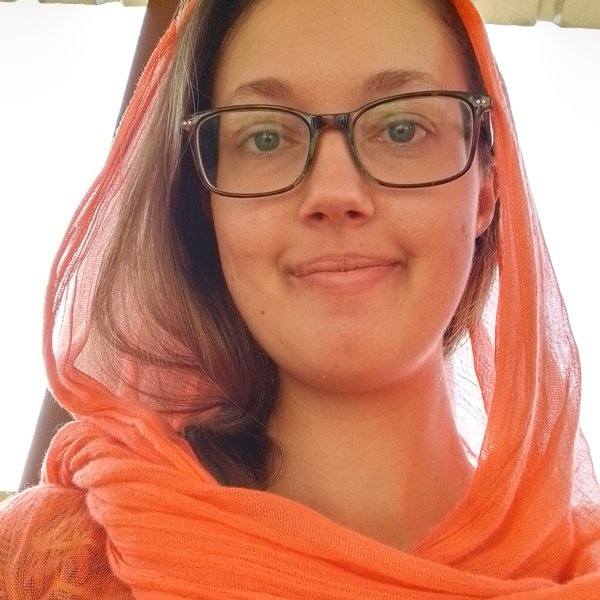
Ketura R.
“Being in Bénin has taught me that respect goes beyond words and actions; even just sitting or eating together can show you care.”
1. What got you interested in the Peace Corps?
I first learned about the Peace Corps after getting involved with the Global Health and Development program at university. After doing more research, what appealed to me most was its unique perspective on grassroots public health and international development. I had always wanted to speak multiple languages and to be only knowledgeable but also well integrated into other cultures. As an aspiring public health professional, I felt the Peace Corps offered a great opportunity to be involved in community-based projects and achieve my personal goals of cultural humility. The world is such a big and beautiful place; thanks to the Peace Corps, I could finally discover it.
2. What projects are you working on?
Currently, I manage four main projects that are focused on strengthening capacity of young mothers and youth development in my community. I co-facilitate weekly health talks with center staff during vaccination days at our local health center. The talks are about critical topics like malaria prevention, newborn nutrition, and postpartum health. Another counterpart and I lead a monthly women’s group disseminating similar information to mother leaders, who then engage in peer-to-peer discussions with others. I really enjoy getting to know the mothers in the community! I learn so much about Tchabé culture and the sometimes subtle issues that can prevent adoption of the health behaviors we promote.
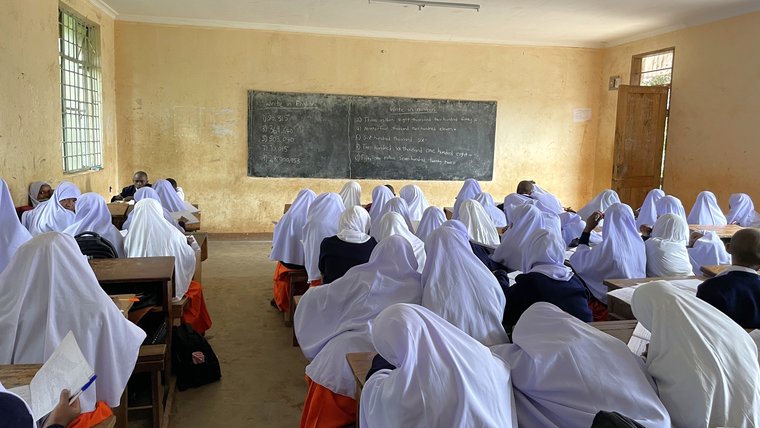
Additionally, I lead health clubs at three local schools, encouraging youth aged 9-18 years to be leaders of the next generation. We use skits, games, and demonstrations to relay health information in a positive and fun atmosphere that encourages youth to be role models for their peers and champions of health.
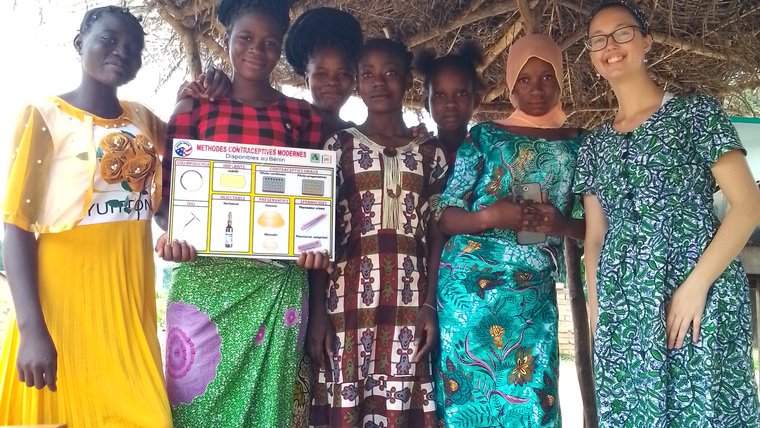
Through a national NGO, we are also able to support peer-to-peer youth mentorship in 3 villages with an “Amour et Vie” (Love and Life) team, who teach reproductive health, hygiene, and malaria prevention skills to teens and young mothers using animated presentations. Youth are the light of these communities, and it is an absolute honor to work side-by-side with them!
In the meantime, I also really enjoy supporting secondary projects, like national vaccination campaigns and summer youth camps!
3. What strategies have you used to integrate into your community?
Spending time with my neighborhood youth has made the biggest impact on my integration skills! They are so excited to teach us about their communities and open-minded to learning new ways of doing things as well. Taking any opportunity to learn the local language is critical for deep integration. Not only does it ease the communication gap, but community members truly appreciate it when Volunteers make the effort to meet them where they are. Other strategies include wearing the local fabrics and attending community events, like church services and ceremonies. Preparing and eating local foods are another great way to get connected, learning about the variety of traditions in Bénin surrounding meals; as any Béninese person would say—anytime is a good time to eat! Food is so much about sharing with each other here, whether it be food or stories from the day. And of course, dancing!
4. What is a highlight of your time in service so far?
Learning so much about being a part of a community in a deeply connected way. American culture often emphasizes independence as a sign of maturity and adulthood, but here in Bénin, navigating life together means you are never alone. There will always be someone there to help out if your moto breaks down, even a stranger; likewise, friends and neighbors are always ready to help you finish chores, carry work materials, and support you so you don’t have to bear the weight of life alone. A common phrase in Bénin is ”On est ensemble” (We are together). Being a part of a community means giving and receiving without asking; it's understood that life is meant to be lived together.
5. What have you enjoyed most about the community where you are serving?
I have enjoyed being immersed in Tchabé culture—the language, traditions, and people. The language is only spoken in a small area of central Bénin but shares many similarities to Yoruba, as my village shares a border with Nigeria. Several families work in both countries, creating a unique mix of Tchabé Béninese and Yoruban Nigerian cultures that I get to experience every day, including music and dance not found in other regions of Bénin. Also, central and northern Béninese cultures differ greatly from southern regions (including features such as longer salutations, respectful bowing, and abundant yams). My community has a fair mix of religious practices, including Christian, Muslim, and Vodun groups. Seeing how everyone follows their beliefs yet lives harmoniously is truly amazing. Attending training in larger coastal cities reminds me that I live the best of both worlds! It makes for a unique Peace Corps service since I get to experience lots of different parts of the country and learn to adapt from one region and ethnic group to the next.
6. What are some of the most important things you’ve learned from your community?
One of the most important things I have learned is the importance of respecting others and leaving the past behind. This past December, I took a brief trip home over the holiday break and quickly realized how much living in my village has changed the way I treat others, and my expectations for others to do the same. No one wanted to socialize in the airports or immediately offered me a glass of water when I arrived home. There were no 10-minute salutations before we got into the thick of a conversation or relaxing under mango trees in the afternoons. Being in Bénin has taught me that respect goes beyond words and actions; even just sitting or eating together can show you care. Always, always include others in what you have going on and don’t ask permission to help—just start helping. Being intentional about treating others with respect is a critical life skill in Bénin, and something I would like to carry with me wherever I go.
There is a special meaning to New Year’s Day in Bénin. Like Thanksgiving in the States, the beginning of the new year doesn’t mean just looking forward to resolutions; it also means saying thanks for the good and leaving behind the bad. Amend relationships and don’t dwell on things that bother you. Carry patience on your shoulders and be quick to forgive, because no one wins from dwelling on grief. Just move forward.
7. How do you spend time when not working on a project?
Some days I play cards under the community tree or take the scenic route to the local shop to buy items for dinner. Evening walks are ideal, because the sun has gone down a bit and most friends and neighbors are back home by that time. It’s great to catch up with people, talk about their work or travels, and learn about community events in a relaxing way. Other days, I host youth in my home where they engage in all sorts of activities, from board games to chalk drawings to sport challenges. Youth are never short on energy, and always ready to go on an adventure. Of course, there are also days that I dedicate to house chores too, like everyone else.
8. What are you looking forward to in your remaining time as a Volunteer?
I hope to use my remaining months at site to celebrate the community, whether it be by saving memorabilia or simply doing my best to be with them. And if it should happen, definitely hosting another summer youth camp! Probably one of my favorite activities from service.
9. What will you do differently when you return to the U.S.?
I look forward to seeking other opportunities to challenge myself professionally and personally using the skills I have developed during Peace Corps service. For example, not being afraid to advocate for myself and using boundaries as a healthy coping mechanism for stress. I also really like the way Béninese culture focuses primarily on family and health, casually using phrases like “la santé avant tout” (health before all) in everyday conversation. It’s inspired me to call home more often just to check in with family members and take time to care for myself, even if I have important work deadlines to meet.
Want to learn more about serving as a Volunteer in Benin? Connect with a recruiter today.



