 An official website of the United States government


Featured Volunteer Profile
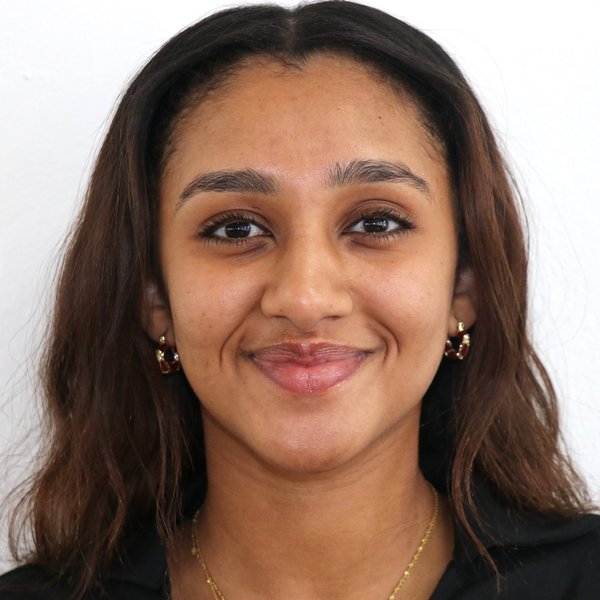
Ruth H.
“Despite having done extensive research on what life as a Volunteer might look like, nothing prepared me for the joy and fulfillment I would feel during my service. It really is one of those experiences that transforms you for the better.”
1. What got you interested in the Peace Corps?
I grew up hearing great things about the Peace Corps. My dad learned English in a class taught by one of the very first Volunteers to serve in Ethiopia in 1963. I also knew pretty early on that I wanted to lead a life in service to others. I could never quite pick a career path, but I have always been able to express that I wanted to live abroad, learn about other cultures, and leverage my skills to assist as many people as possible. A combination of those three things is what brought me to the Peace Corps. Despite having done extensive research on what life as a Volunteer might look like, nothing prepared me for the joy and fulfillment I would feel during my service. It really is one of those experiences that transforms you for the better.
2. What projects are you working on?
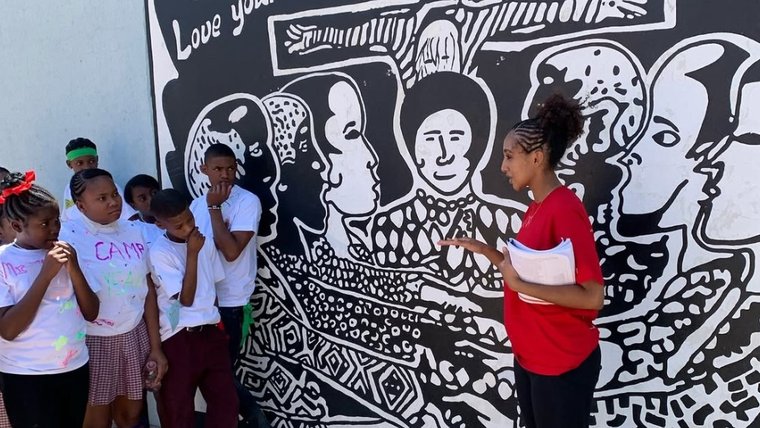
I’m planning a children’s wellness walk for June of this year, where parents and kids walk from one end of the town to another. We will use this opportunity to remind people to invest in their health and wellness, share health resources and contacts, and provide running activities that promote physical health. Additionally, I am preparing for a weeklong camp called Camp YEAH, where youth will explore topics related to emotional, physical, sexual, and mental health. This knowledge will enable them to go home with information to keep themselves and their communities safe.
3. What strategies have you used to integrate into your community?
I take walks and try to speak to everyone I see. I go to the open market and chat with the ladies about dishes I want to make and ingredients I might need. This gives them a chance to learn a little about me and gives me an opportunity to soak up their expertise and get the most out of my produce. I also accept invitations for dinner and coffee whenever I’m asked and make an effort to fit socializing into my schedule. Last month, I attended a braai (barbecue), where I knew no one. It was the perfect opportunity to introduce myself, and I walked away with tons of personal and professional contacts.
4. What is a highlight of your time in service so far?
I went to a neighboring town for Christmas and made many friends. I spent Christmas day volunteering at an orphanage with an East African family, who later introduced me to other Ethiopians living in the capital. I was itching to speak my native language and missing home, so this experience was like a shot of espresso. It was also a needed reminder that you’re never as far away from home as you might think.
Another highlight was the end-of-year party for kids at my site. It was great to see their faces light up; we danced for hours. They taught me how to dance to Amapiano music and I showed them some traditional Ethiopian dances. Children’s sense of curiosity is inspiring and keeps me on my toes.
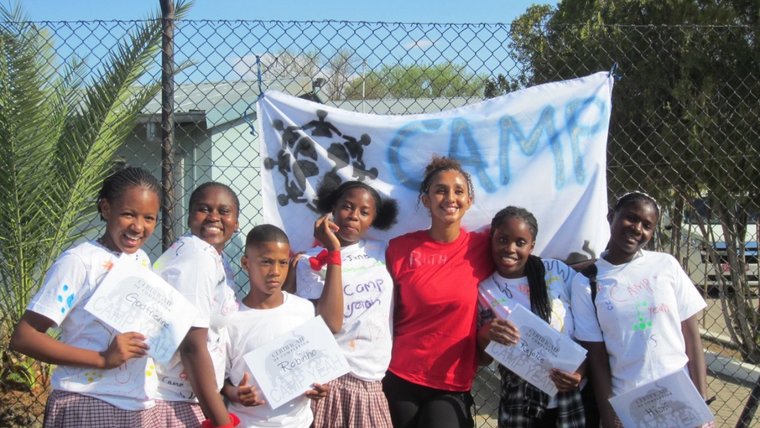
5. What have you enjoyed most about the community where you are serving?
I live in a very small town, where everybody knows each other and makes it their business to look after one another. It’s nice to know that I’m constantly being looked after and cared for. When I’m checking out at the grocery store, people tell me they’ve seen me in other parts of town and hope I’m doing well. It's that sense of community that makes me feel right at home here.
6. What are some of the most important things you’ve learned from your community?
Patience, which I have always struggled with. My community has shown me, through example, just how vital it is to their survival. This year, we had a terrible drought and many members of my community with farms in the north were profoundly impacted. Despite the devastation, they remain optimistic, continue to plant, and practice a level of patience I can only describe as humbling.
7. How do you spend time when you are not working on a project?
I’m usually reading a romance novel on my Kindle, going for a long walk, talking on the phone with friends and family, sitting with kids on the playground, or going to my favorite cafe to get a smoothie. These are all things that help me destress and center myself. There's a mall in my town so sometimes I walk there to do some shopping and then head to the open market for some fresh veggies. By the time I’m done, I’ve usually run into 5 people that I know and met a bunch more for the first time. The perk of living in a small town is that all you have to do to socialize is leave your home.
8. What are you looking forward to in your remaining time as a Volunteer?
I’m looking forward to spending some time in the villages and attending weddings and other community celebrations. Because I live in a town, there aren’t many traditional events held here but I’ve been invited to some in the villages. I absolutely love the traditional dress that Herrero and Ovambo women wear on special occasions, and I am looking forward to getting a chance to show off in one soon!
9. Once you finish service, what will you do differently when you return to the U.S.?
I will definitely still be in listening mode. Entering a new community forces you to do less talking and more active listening, so that you can gain cultural context. I have really enjoyed being in that state of mind, where I’m listening, observing, watching and trying to soak up as much information as possible. Not only has it changed my understanding of what it means to be present, but it has made me less reactive and a lot more patient. I plan to carry that with me in whatever I do.
Interested in learning more about serving in Namibia? Connect with a recruiter today.



