 An official website of the United States government


Featured Volunteer Profile
Jace G.
“What I have enjoyed most about my host community is locals’ generosity towards guests and others. They are very gracious, often inquiring about my well-being ... extending greetings, and sharing meals or a glass of the local sweet green tea, 'attaya.'”
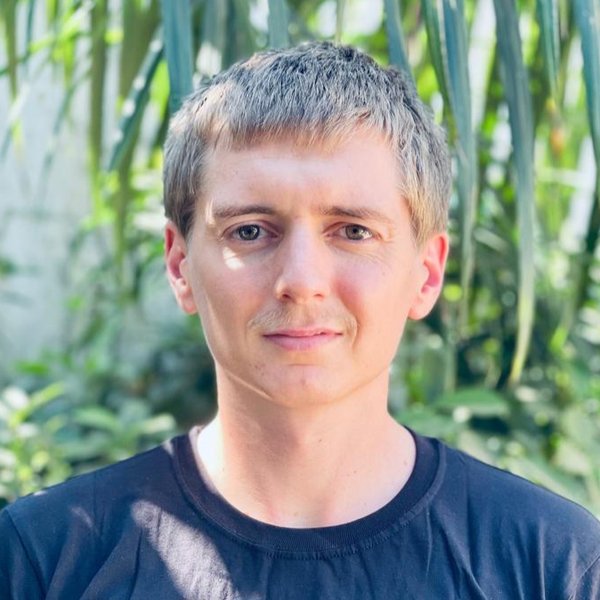
1. What got you interested in the Peace Corps?
I became interested in the Peace Corps over the course of my undergraduate studies, when study abroad, in-class, internship, and mentorship experiences made me curious about the field of international development as a way to put into practice my passions and background in food security and agroecology. Several Returned Peace Corps Volunteers in my social and professional networks gave me additional insight into the Peace Corps’ approach to development as well as the experience of being a Volunteer.
2. What projects are you working on?
One initiative has been planting fruit trees at my host community’s primary school, as well as providing training and technical accompaniment to community members on preparation of zai holes (planting pits invented in West Africa used to increase crop productivity) and on the tree propagation technique of air-layering.
Other projects have included training community members on how to make soap, and training farmers on how to make and use natural pesticide solutions, simple drip irrigation made from water bottles, and biochar. (Biochar is a form of charcoal mainly used in soils to increase soil aeration, reduce emissions of greenhouse gases, reduce nutrient leaching, increase water content, and more.)
Along with my counterpart I have introduced new practices such as row-cropping for sesame (as opposed to broadcasting seed by hand), construction of Kenyan Top-Bar beehive models for beekeeping, using branch and root cuttings for tree propagation, and using already-harvested rice straw (versus hand-harvested wild grasses) for mulch.
3. What strategies have you used to integrate into your community?
As my host community is a rural village of small-scale farmers, my integration has been facilitated by assisting with agricultural tasks and gardening in my own garden space. In my community I also accept invitations to attend cultural events and ceremonies, speak primarily in the local ethnic language, Susu, and occasionally share small gifts with neighbors, friends, work partners, and my host family.
4. What is a highlight of your time in service so far?
A highlight of my time in service so far has been forming plenty of new relationships with people—among Peace Corps Guinea staff, fellow Volunteers, and at my own site—who all contribute to and are invested in my overall positive experience as a Volunteer.
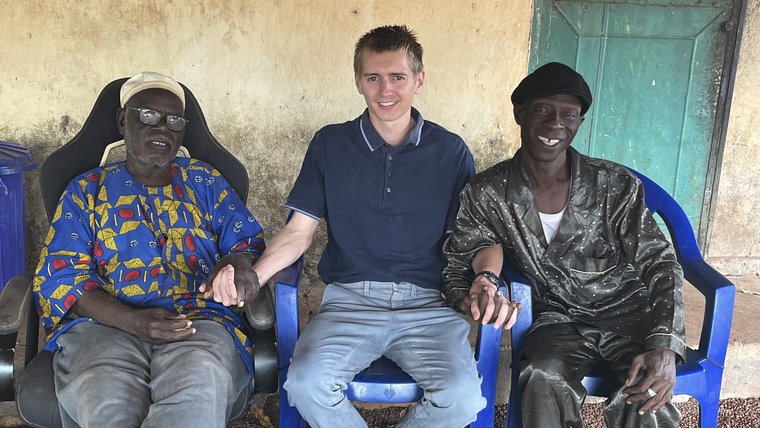
5. What have you enjoyed most about the community where you are serving?
What I have enjoyed most about my host community is locals’ generosity towards guests and others. They are very gracious, often inquiring about my well-being (and that of my own American family), extending greetings, and sharing meals or a glass of the local sweet green tea, “attaya.”
6. What are some of the most important things you’ve learned from your community?
Some of the most important things that I’ve learned from my community are locally informed and culturally appropriate strategies for communication, community organizing/action, and technical extension on agricultural matters, which have enabled me to approach my Peace Corps service with effectiveness, tact, and a focus on long-term sustainability.
7. How do you spend time when you are not working on a project?
When I am not working on a project, I enjoy reading, cooking, going for a run or a bike ride, and socializing with friends or my host family.
8. What are you looking forward to in your remaining time as a Volunteer?
In my remaining time as a Volunteer, I am looking forward to wrapping up a few long-term projects—a video series for teaching the basics of the Susu language to native English speakers, plus a training/technical accompaniment project with host community members on how to make biochar and seeing their first immediate impacts and fruits.
Additionally, I look forward to the possibility of deepening my practice with a second local ethnic language of my area, Pular.
9. Once you finish your service, what will you do differently when you return to the U.S.?
Once my Peace Corps service is wrapped up, I will have a more empathetic, flexible, and resilient mindset when it comes to relating to and working in intercultural/multicultural environments and situations.



