An official website of the United States government

Official websites use .gov
A
.gov website belongs to an official government
organization in the United States.

Secure .gov websites use HTTPS
A
lock (
) or https:// means you’ve safely connected to
the .gov website. Share sensitive information only on official,
secure websites.

Search
Connect with the Peace Corps
If you're ready for something bigger, we have a place where you belong.
Apply to the Peace Corps
The application process begins by selecting a service model and finding an open position.


Let us help you find the right position.
If you are flexible in where you serve for the two-year Peace Corps Volunteer program, our experts can match you with a position and country based on your experience and preferences.
Serve where you’re needed mostYouth Development Facilitator
 Youth in Development
Job highlights
Applications are now closed. View current openings.
Apply by
January 1, 2026Know by
May 1, 2026Depart on
September 13, 2026Duration
2 years, plus 3 months trainingAbout the project
In Peru, 18% of young Peruvians between the ages of 19 to 25 face challenges that limit education and work opportunities. Peruvian NEET population (“NINIs” in Spanish meaning they don’t work or study) is mainly associated with two factors: high rates of school dropouts and teen pregnancy.
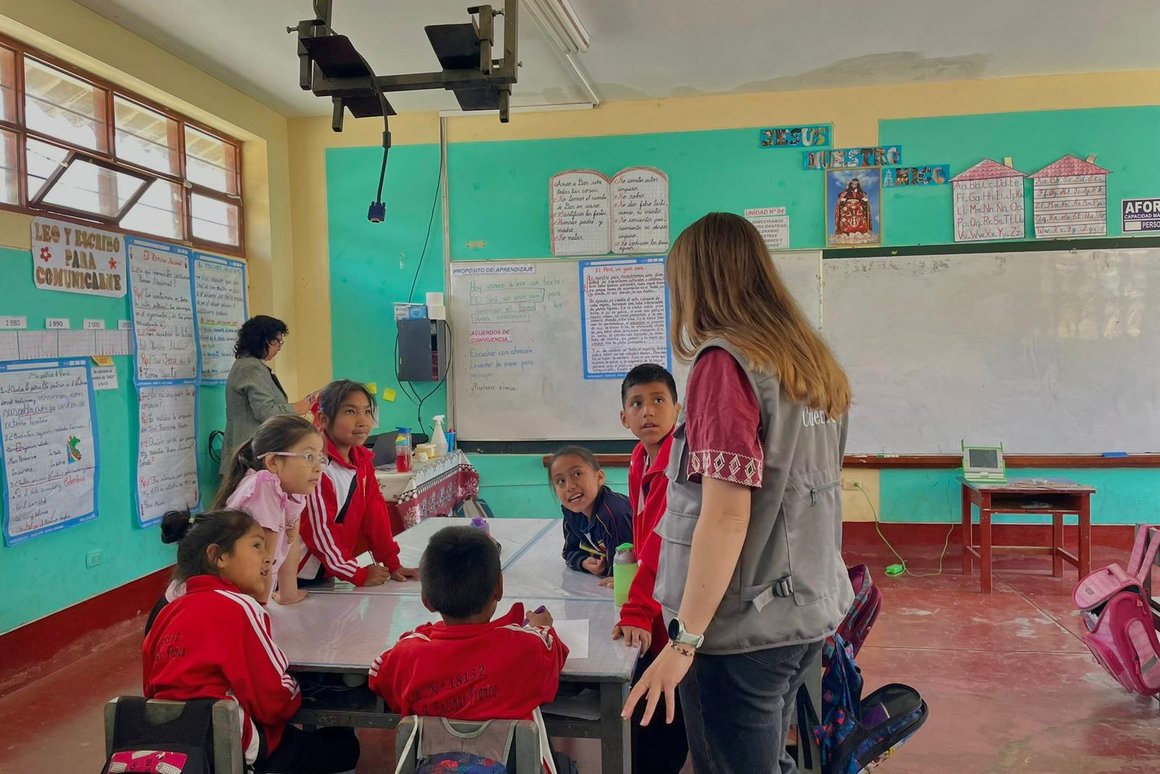
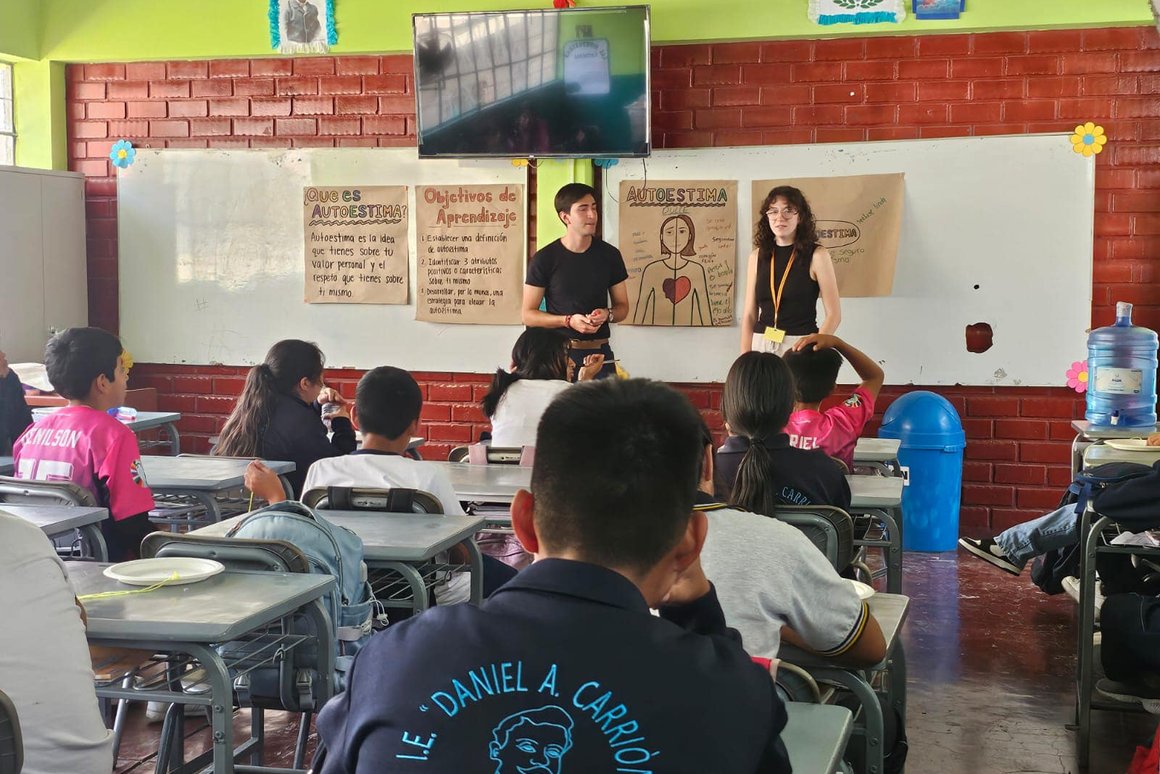
Youth Development Facilitators work in partnership with youth and youth service providers (school staff, parents, community leaders, public service workers, and government officials) to support youth to build leadership, life and employability skills, and enhance their engagement in the community. Life skills education focuses on developing a positive identity, critical thinking, and healthy lifestyle activities. Employability skills focus on mentoring activities, vocational skill career fairs, workshops on mock interviews, and developing a life plan.
A Youth Development Facilitator will often be found working alongside local high school teachers, supporting the implementation of their classroom youth orientation program. This program has a strong focus on leadership and civic participation, which includes with a national Peruvian Ministry of Education strategy called “Somos Pares” or “We are Peers.” This curriculum includes a series of classes that are implemented 12-15 hours a week, depending on the size of the school and the programs it supports. Youth Development Facilitators work with class coordinators and teachers to co-facilitate educational topics focused on life skills, self-esteem, career orientation, and youth peer support. They also support local municipality summer school classes by promoting and participating in an established youth development committee.
While specific daily work depends on the work site and the needs of the community, Youth Development Facilitators work with counterparts to improve the quality of life for Peruvians by introducing new ideas, skills, and practices.
There are numerous opportunities to participate in secondary activities. These might include (but are not limited to), co-facilitating computer classes, organizing environmental awareness workshops, co-developing a school gardening project, coaching sports, or even co-organizing community-wide recycling projects.
Learn more about what Volunteers do in country by visiting our Peru project page.
Required skills
Qualified candidates will have one or more of the following criteria:
Qualified candidates will have one or more of the following criteria:
• Bachelor of Arts/Bachelor of Science degree in any field
OR
• 5 years' professional work experience
Language: There are no pre-requisite language requirements for this position.
Required behavioral competencies
These competencies are essential for all service assignments and are assessed in the application and interview process:
Motivation for and commitment to service
Adaptability and open-mindedness
Problem solving and resourcefulness
Behavioral maturity and professionalism

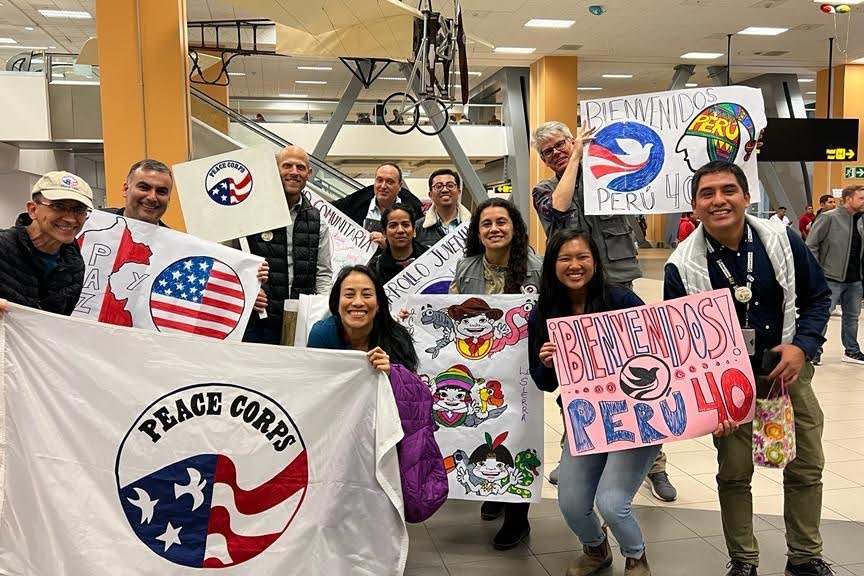
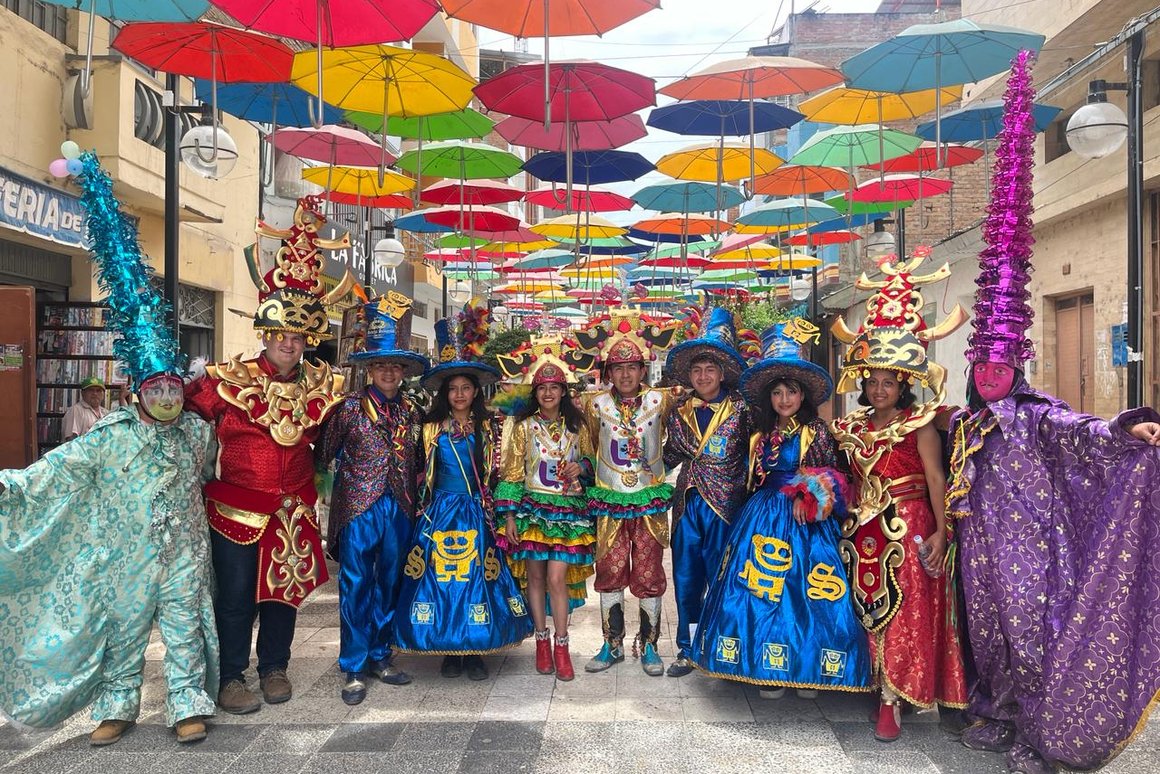
Photos from Peru



How you and the community will make an impact together:
Geography and Climate:
Peru has three primary geographic regions: the Pacific Coast, Andean mountains, and Amazon rainforest. The climatic conditions in each of these three regions are vastly different depending on the time of year. Pacific coastal communities can experience hotter, drier climates year-round with little to no rainfall. The Andean Mountain areas are often high-altitude communities with cold weather, experiencing a wet and dry season. Amazon rainforest communities experience more rain throughout the year and sometimes hotter climates.
Youth Development Facilitators are assigned to the coastal and Andean regions and often work in small to mid-sized towns where there is a significant population of underserved youth.
Host Family:
All Volunteers are required to live with a host family during Pre-Service Training and in their assigned community for the full two years of service. Couples live with the same host family. The homestay experience supports the Volunteer with establishing safety and security strategies, strengthening language acquisition, and community integration. Although this can be a big adjustment for individuals who have lived independently, it is often one of the most memorable and rewarding experiences in a Volunteer’s service.
Diet:
Peru is known as the gastronomic capital of South America for a reason. Peru is famous for “lomo saltado” (a stir-fried steak dish with peppers and onions), as well as many varieties of “aji” (a traditional spicy chili paste that goes great with meat, chicken, fish, and vegetables). While your daily diet may vary depending on your host community, there are plenty of opportunities to explore traditional Peruvian foods.
The Peruvian diet varies based on geographic location but, in general, it will include a high-starch diet (potatoes, rice, or cassava) and potentially include an option of meat, chicken, or fish. Host families will prepare meals based on what’s available in their area and Volunteers should be prepared to eat with host families to show respect for their hospitality and culture. Host families may not be accustomed to eating as many fruits and vegetables as Volunteers may be, and they are not expected to prepare special meals for you.
Transportation:
Peace Corps Peru expects that Volunteers can walk or use a bicycle to travel to and from work, for shopping for basic needs (food items, personal care, household essentials, etc.), and for other personal errands in their assigned community. Common methods of transportation include ‘combis’ [small buses], colectivos’ [shared taxis], moto-taxis or ‘tuk-tuks’ [three-wheeled motorcycles].
Communication:
Wi-Fi availability at restaurants and cafes is common in Peru, especially in bigger cities. However, once a Volunteer is placed in their permanent community, they may or may not have reliable access to the internet. If they do not have reliable access in their communities they will be able to access the internet when visiting a larger city.
Volunteers have found that bringing a laptop or tablet, while not a requirement, facilitates completing assignments during service.
Learn more about the living conditions, including detailed information on culture, communications, housing, and health/crime statistics on our Peru country page. You can also delve into stories about local communities by reading our blog or Volunteer stories.
Meet a Volunteer in Peru
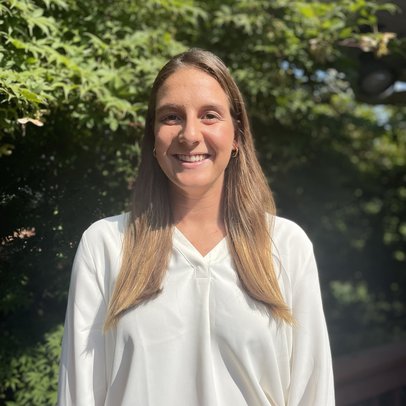
Brooke F.
Community Health Facilitator
"Peace Corps provided a unique opportunity to become deeply involved in a new community and form true connections with its people."
See full Volunteer profile
To learn more about serving as a couple in Peru, visit the country page.
Application process
From application to departure takes around nine months. Learn about the application process for Volunteer opportunities.
Medical/legal clearance
You will need to be cleared medically and legally in order to serve in Peru. Review information on medical clearance and legal clearance to learn about the process.