An official website of the United States government

Official websites use .gov
A
.gov website belongs to an official government
organization in the United States.

Secure .gov websites use HTTPS
A
lock (
) or https:// means you’ve safely connected to
the .gov website. Share sensitive information only on official,
secure websites.

Search
Connect with the Peace Corps
If you're ready for something bigger, we have a place where you belong.
Apply to the Peace Corps
The application process begins by selecting a service model and finding an open position.


Let us help you find the right position.
If you are flexible in where you serve for the two-year Peace Corps Volunteer program, our experts can match you with a position and country based on your experience and preferences.
Serve where you’re needed mostFood Security Extension Officer
 Agriculture
Job highlights
- Gain valuable, hands-on experience with sustainable farming for food security at the grassroots level.
- Strengthen Spanish language proficiency through daily immersion and collaboration with community members.
- Contribute to the betterment of rural Guatemalan households through a variety of food security extension services.
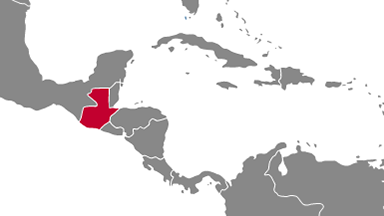
Guatemala • North America
In partnership with: Local extension agents, nutritionists, non-governmental organizations
Get answers live — every weekday at .
Apply by
August 15, 2026Know by
October 1, 2026Depart on
March 1, 2027Duration
2 years, plus 3 months trainingAbout the project
Guatemala is looking to strengthen its rural extension program with sustainable, agricultural practices, and you can lend a hand!
Guatemala faces one of the highest rates of chronic malnutrition in the northern hemisphere, with nearly half of children under five affected. Combined with rapid population growth and environmental pressures, the country’s malnutrition has created an urgent demand for agricultural systems to produce more food. Beginning in the 1980s, the country saw a 20-year gap in rural extension services as a result of the armed internal conflict. This led to a loss of best practices, leaving current food security service providers—such as extension agents and community promoters—without the training and skills needed to effectively support farmers. With the return of these extension services, it is critical to strengthen the country’s agricultural system for improved production and nutritional outcomes for rural households.
As a Food Security Extension Officer, you will collaborate with local food security service providers to strengthen local knowledge of participatory teaching methods, organizational skills, and participatory community development strategies. Together, you will foster sustainable practices that increase crop yields, diversify diets, and strengthen household resilience. These efforts not only reduce food insecurity but also promote community integration, youth engagement, and economic opportunities helping to unlock Guatemala’s potential for growth and prosperity.
Learn more about what Volunteers do in country by visiting our Guatemala project page.
Required skills
Qualified candidates will have one or more of the following criteria:
Associate degree in any field and at least two years of full-time, post-high school work experience (from any combination of roles).
OR
Bachelor's degree in any field.
OR
High school diploma or GED and 4 years of full-time post-high school work experience (from any combination of roles).
Language: Spanish
A. Completed 4 years of high school Spanish coursework in the past 8 years
B. Completed college-level Elementary II Spanish semester (Elementary III in quarter system) within the past 6 years
C. Score between 50-62 on the Spanish College Level Examination Program (CLEP) exam in the past 6 years
D. Score Novice-High or Intermediate-Low on official American Council on the Teaching of Foreign Languages (ACTFL) Oral Proficiency Interview (OPI) in Spanish within the past 6 years
Required behavioral competencies
These competencies are essential for all service assignments and are assessed in the application and interview process:
Motivation for and commitment to service
Adaptability and open-mindedness
Problem solving and resourcefulness
Behavioral maturity and professionalism

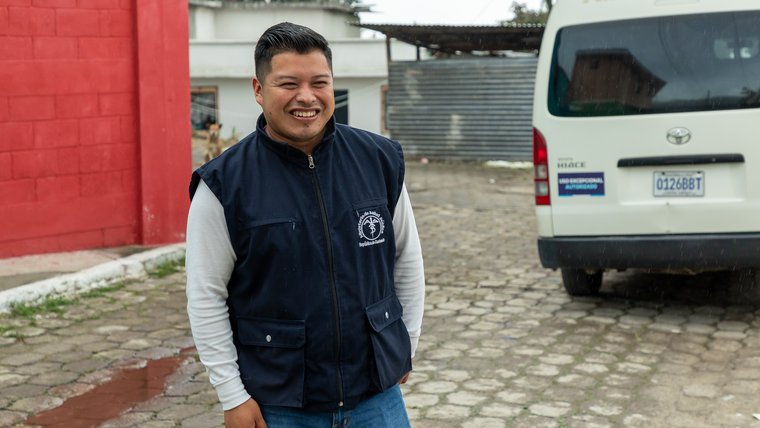
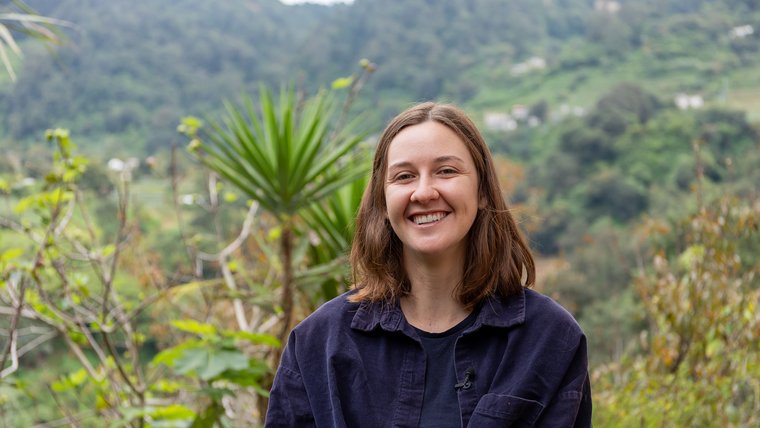
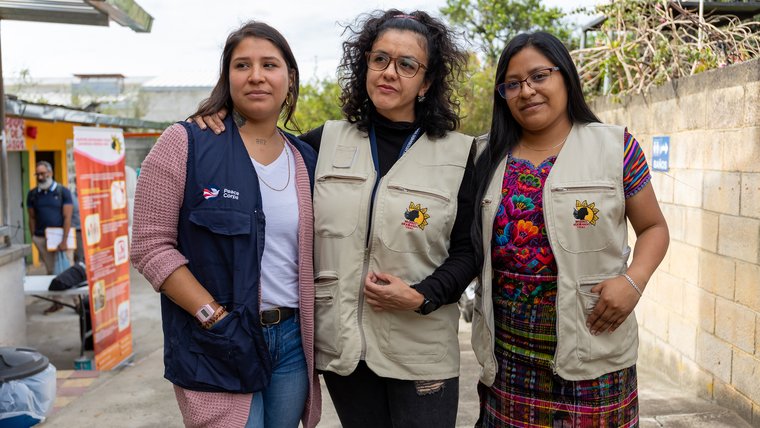
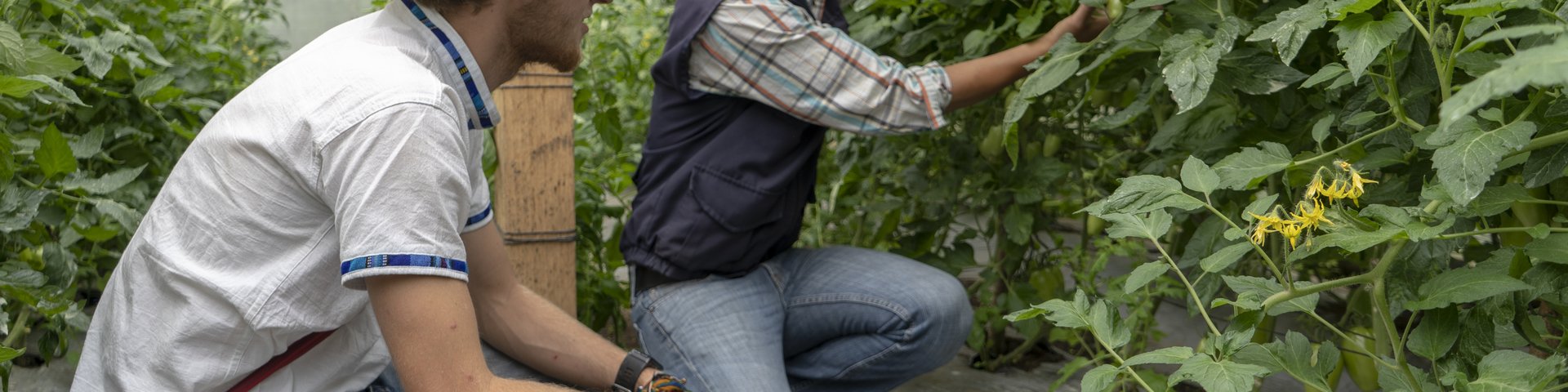
Photos from Guatemala



How you and the community will make an impact together:
Identify community strengths, needs, and resources using collaborative tools and approaches.
Facilitate group training and field-based instruction for food security service providers and community members on adult learning methods, participatory community development, and community engagement strategies.
Develop or update educational training resources in areas such as agriculture, nutrition, the environment, community leadership, and engagement strategies.
Form farmer groups to encourage active participation from all community members.
Connect community groups, local institutions, and government programs to strengthen collaboration and resource sharing.
You may also work on additional projects that meet the community’s interests and priorities, such as nutritional cooking demonstrations and school gardens.
Volunteers live and work in the departments of Sacatepéquez, Chimaltenango, Sololá, Quiche, Totonicapán, and Quetzaltenango. Most Volunteers live in medium-sized to larger rural communities (3,000 to 40,000 people) that have electricity and running water, but the supply may be intermittent. Volunteers will be required to live with a host family for the full duration of their service in Guatemala. While each living situation is unique, Volunteers can expect their own private bedroom and bathroom access.
Learn more about the living conditions, including detailed information on culture, communications, housing, and health/crime statistics on our Guatemala country page. You can also delve into stories about local communities by reading our blog or Volunteer stories.
Meet a Volunteer in Guatemala
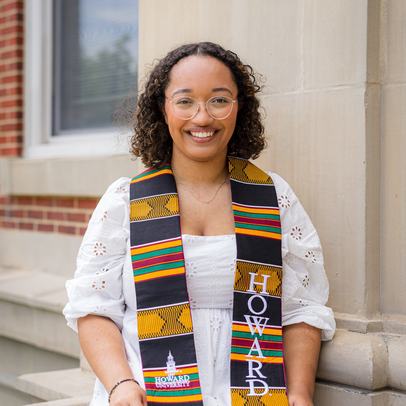
Peyton W.
Life Skills Teacher
"I love the tight-knit community where I live. Everybody is related to somebody I know, so I always feel safe and known here."
See full Volunteer profile
As a Food Security Extension Officer, you will be trained on sustainable agricultural strategies, project design and management, and participatory community development. Peace Corps/Guatemala will strengthen your Spanish language skills to help you reach an intermediate level of oral proficiency, which will help you live in and connect with the community. Volunteers in areas where Mayan languages are spoken may elect to study the language once they arrive at their assigned site.
After 10 weeks of training, you will move to your assigned community where you will collaborate with the local government and non-government organizations that support food security services. You will work with the community to assess the local needs and develop solutions based on local resources and agricultural best practices.
Only heterosexual couples can be accepted for this program. Each person must apply separately and qualify for a position in a different sector than their partner. Cross-sector couples will live with different host families who may reside in different communities during training. Cross-sector couples may see each other for joint-sector training days or on the weekends but neither are guaranteed.
To learn more about serving as a couple in Guatemala, visit the country page.
Application process
From application to departure takes around nine months. Learn about the application process for Volunteer opportunities.
Medical/legal clearance
You will need to be cleared medically and legally in order to serve in Guatemala. Review information on medical clearance and legal clearance to learn about the process.