An official website of the United States government

Official websites use .gov
A
.gov website belongs to an official government
organization in the United States.

Secure .gov websites use HTTPS
A
lock (
) or https:// means you’ve safely connected to
the .gov website. Share sensitive information only on official,
secure websites.

Search
Connect with the Peace Corps
If you're ready for something bigger, we have a place where you belong.
Apply to the Peace Corps
The application process begins by selecting a service model and finding an open position.
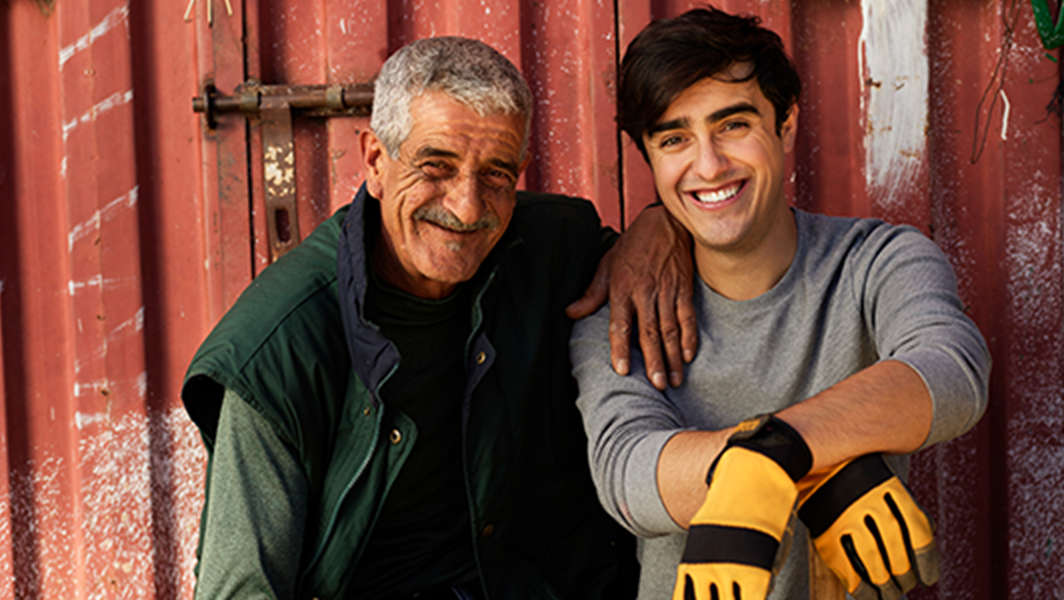
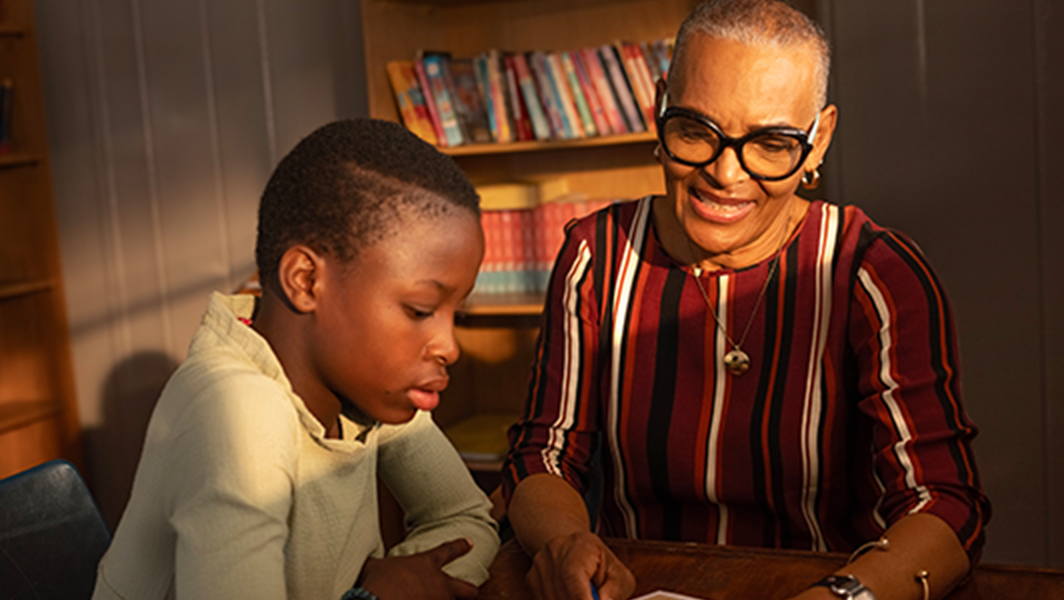
Let us help you find the right position.
If you are flexible in where you serve for the two-year Peace Corps Volunteer program, our experts can match you with a position and country based on your experience and preferences.
Serve where you’re needed mostCommunity Health Promoter
 Health
Job highlights
- Gain hands-on international development and public health experience by supporting a variety of community-health initiatives.
- Strengthen Spanish language proficiency through daily immersion and collaboration with community members.
- Build meaningful relationships and cultural understanding by living alongside host families and participating in community traditions.
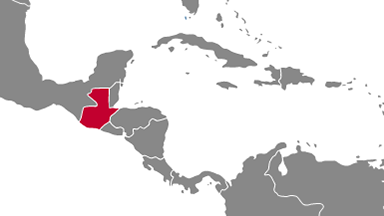
Guatemala • North America
In partnership with: Health centers, non-governmental organizations
Get answers live — every weekday at .
Apply by
August 15, 2026Know by
October 1, 2026Depart on
March 1, 2027Duration
2 years, plus 3 months trainingAbout the project
Communities in Guatemala are paving the way to healthier lives through education—and you can join the effort!!
In low-income areas of the country, maternal and child morbidity and mortality remain high, undernutrition is widespread, and health services are underfunded. Additionally, many communities are seeing a surge in chronic illnesses, such as diabetes, hypertension, and heart disease. There is also a lack of resources dedicated to promoting healthy lifestyle practices and positive mental health, especially with the youth population.
As a Community Health Promoter, you’ll collaborate with the Ministry of Health, Ministry of Education, and non-governmental organizations (NGOs) to strengthen existing programs and design new initiatives aimed at improving health outcomes. Alongside the community, you will promote healthy practices that prevent or address key health issues. By focusing on providing quality health education, you’ll allow individuals to take control of their health and build a foundation for a healthier future.
Learn more about what Volunteers do in country by visiting our Guatemala project page.
Required skills
Qualified candidates will have one or more of the following criteria:
Associate degree in any field and at least two years of full-time, post-high school work experience (from any combination of roles).
OR
Bachelor's degree in any field.
OR
High school diploma or GED and four years of full-time, post-high school work (from any combination of roles).
Language: Spanish
A. Completed 4 years of high school Spanish coursework in the past 8 years
B. Completed college-level Elementary II Spanish semester (Elementary III in quarter system) within the past 6 years
C. Score between 50-62 on the Spanish College Level Examination Program (CLEP) exam in the past 6 years
D. Score Novice-High or Intermediate-Low on official American Council on the Teaching of Foreign Languages (ACTFL) Oral Proficiency Interview (OPI) in Spanish within the past 6 years
Required behavioral competencies
These competencies are essential for all service assignments and are assessed in the application and interview process:
Motivation for and commitment to service
Adaptability and open-mindedness
Problem solving and resourcefulness
Behavioral maturity and professionalism

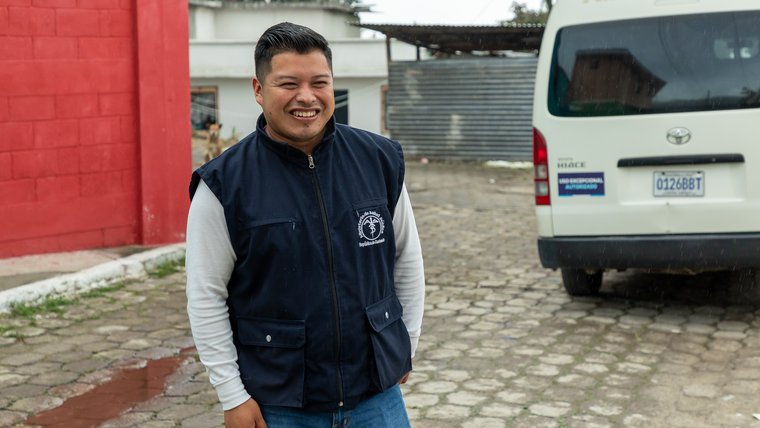
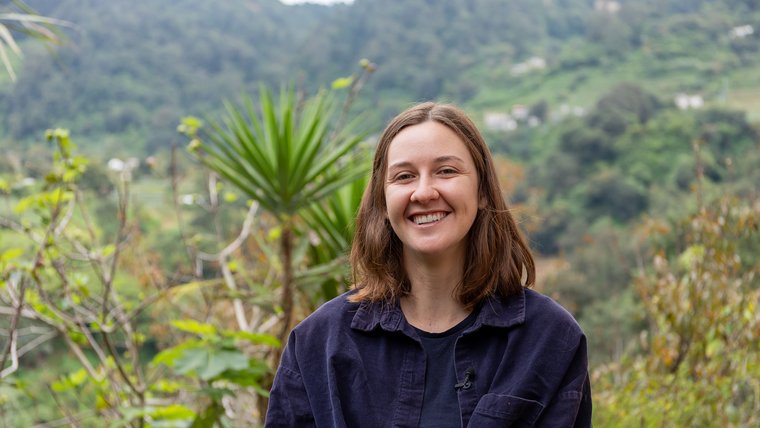
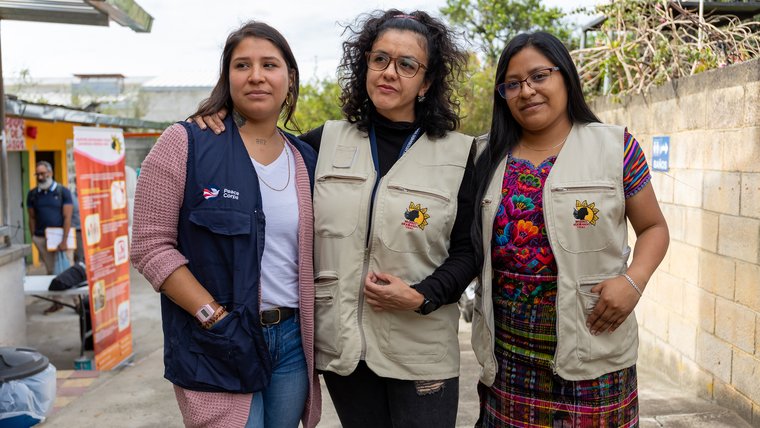
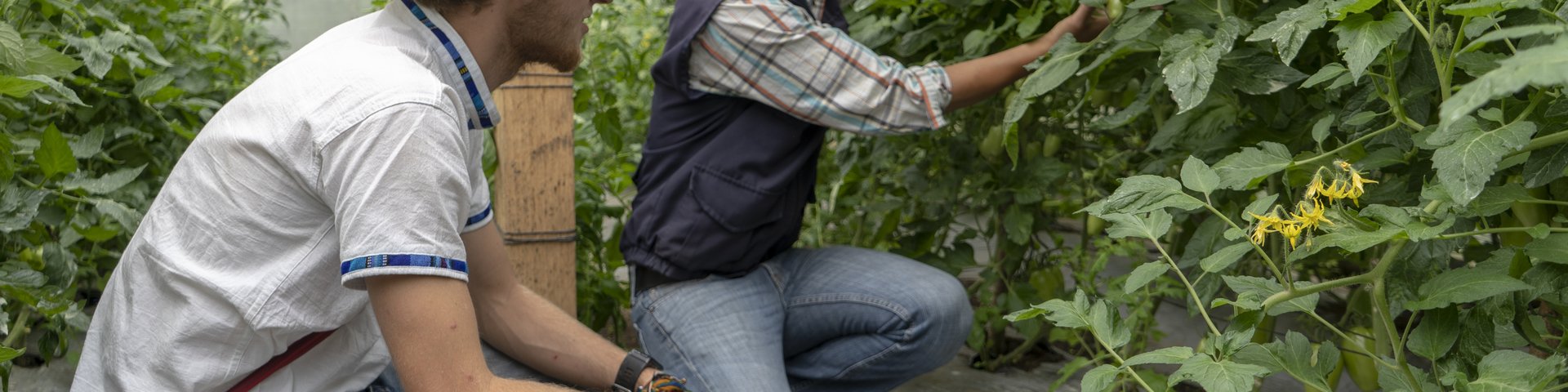
Photos from Guatemala



How you and the community will make an impact together:
Interview healthcare stakeholders, identify existing health education activities, and analyze available data in a needs assessment.
Identify opportunities for health promotion and education within the community.
Plan and implement collaborative activities to address priority health needs.
Develop educational resources to enhance educational events.
Train health workers in adult-learning techniques and youth service providers in creating safe spaces for health education on topics such as teen pregnancy prevention.
Apply behavior change analysis using the designing for behavior change framework to guide interventions.
Support home visits with health workers to provide individualized health education.
You may also support community-driven initiatives based on local priorities and your own interests, such as community-wide 5k races and health fairs.
Volunteers live and work in the departments of Sacatepéquez, Chimaltenango, Sololá, Quiche, Totonicapán, and Quetzaltenango. Most Volunteers live in medium-sized to larger rural communities (3,000 to 40,000 people) that have electricity and running water, but the supply may be intermittent. Volunteers will be required to live with a host family for the full duration of their service in Guatemala. While each living situation is unique, Volunteers can expect their own private bedroom and bathroom access.
Learn more about the living conditions, including detailed information on culture, communications, housing, and health/crime statistics on our Guatemala country page. You can also delve into stories about local communities by reading our blog or Volunteer stories.
Meet a Volunteer in Guatemala
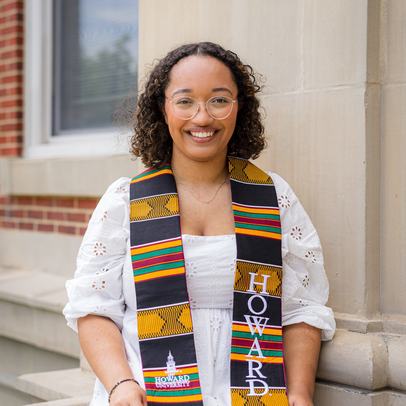
Peyton W.
Life Skills Teacher
"I love the tight-knit community where I live. Everybody is related to somebody I know, so I always feel safe and known here."
See full Volunteer profile
As a Community Health Promoter, you will be trained on adult education methodologies and health intervention best practices. Peace Corps/Guatemala will strengthen your Spanish language skills to help you reach an intermediate level of oral proficiency, which will help you comfortably live in and connect with the community. Volunteers in areas where Mayan languages are spoken may elect to study the language once they arrive at their assigned site.
After 10 weeks of training, you will move to your assigned community where you will collaborate with health service providers and community leaders to assess the local needs and develop solutions based on positive community health.
Only heterosexual couples can be accepted for this program. Each person must apply separately and qualify for a position in a different sector than their partner. Cross-sector couples will live with different host families who may reside in different communities during training. Cross-sector couples may see each other for joint-sector training days or on the weekends but neither are guaranteed.
To learn more about serving as a couple in Guatemala, visit the country page.
Application process
From application to departure takes around nine months. Learn about the application process for Volunteer opportunities.
Medical/legal clearance
You will need to be cleared medically and legally in order to serve in Guatemala. Review information on medical clearance and legal clearance to learn about the process.