An official website of the United States government

Official websites use .gov
A
.gov website belongs to an official government
organization in the United States.

Secure .gov websites use HTTPS
A
lock (
) or https:// means you’ve safely connected to
the .gov website. Share sensitive information only on official,
secure websites.

Search
Connect with the Peace Corps
If you're ready for something bigger, we have a place where you belong.
Apply to the Peace Corps
The application process begins by selecting a service model and finding an open position.

Let us help you find the right position.
If you are flexible in where you serve for the two-year Peace Corps Volunteer program, our experts can match you with a position and country based on your experience and preferences.
Serve where you’re needed mostWater Sanitation and Hygiene Educator
 Health
Job highlights
- Gain valuable, field-based experience in identifying and improving water and sanitation issues in rural communities.
- Sharpen your Spanish language skills through daily conversations and collaborations.
- Create a lasting impact while immersed in Peruvian culture.
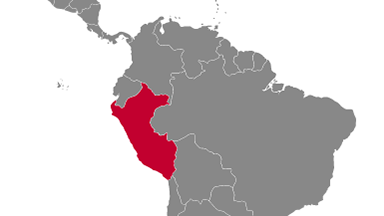
Peru • South America
In partnership with: Local government, rural water committees, public schools
Get answers live — every weekday at .
Apply by
August 15, 2026Know by
October 1, 2026Depart on
March 28, 2027Duration
2 years, plus 3 months trainingAbout the project
Sanitation specialists, public health workers, and recent graduates are needed to in the highlands of Peru to support safe drinking water, sanitation, and hygiene improvements.
Access to clean water and proper sanitation is essential for health and well-being, yet many rural communities in Peru face challenges maintaining safe water systems and adopting hygiene practices. Aging infrastructure requires work, but little or no funding is available to make repairs. Training is needed to support local water technicians and rural water service providers so they can effectively carry out water maintenance and management tasks, especially after staff departures. In addition, there is a lack of public awareness about how consumption affects water availability, and the importance of access to safe drinking water.
As a Water Sanitation and Hygiene Educator, you’ll collaborate with local leaders, schools, and health professionals to strengthen the water system management and promote hygiene education. Your work will help communities improve water infrastructure, adopt safe practices like handwashing and water treatment, and build resilience for a healthier future. By equipping families and schools with knowledge and tools, you’ll contribute to breaking cycles of waterborne disease and create lasting change.
Learn more about what Volunteers do in country by visiting our Peru project page.
Required skills
Qualified candidates will have one or more of the following criteria:
Associate degree in any field and at least two years of full-time, post-high school work experience (from any combination of roles).
OR
Bachelor's degree in any field.
OR
High school diploma or GED and four years of full-time, post-high school work experience (from any combination of roles).
Language: There are no pre-requisite language requirements for this position.
Required behavioral competencies
These competencies are essential for all service assignments and are assessed in the application and interview process:
Motivation for and commitment to service
Adaptability and open-mindedness
Problem solving and resourcefulness
Behavioral maturity and professionalism

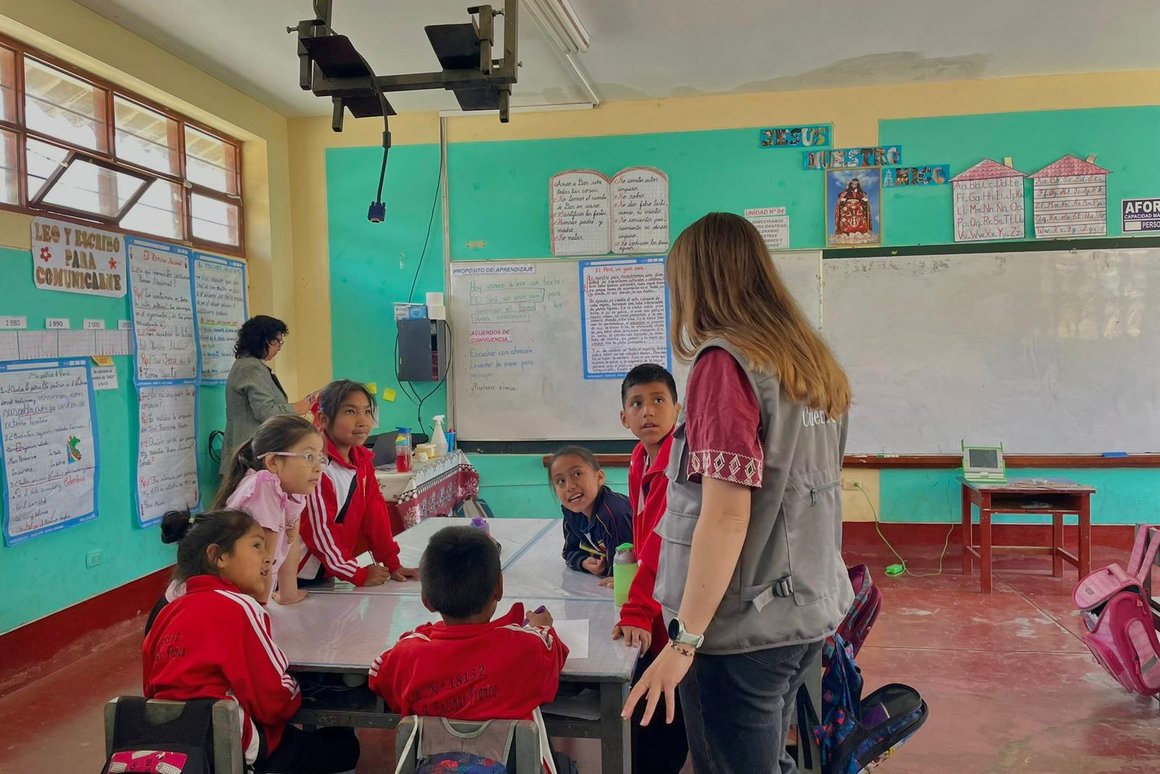
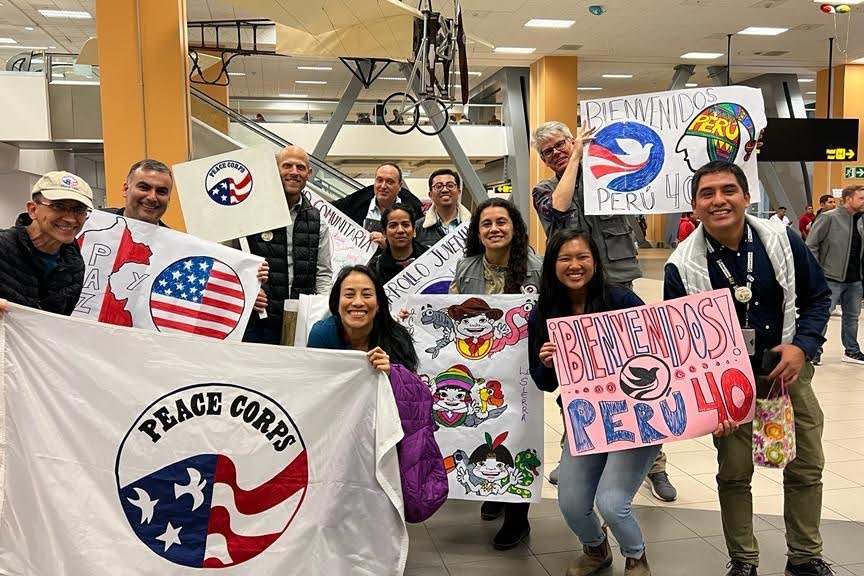
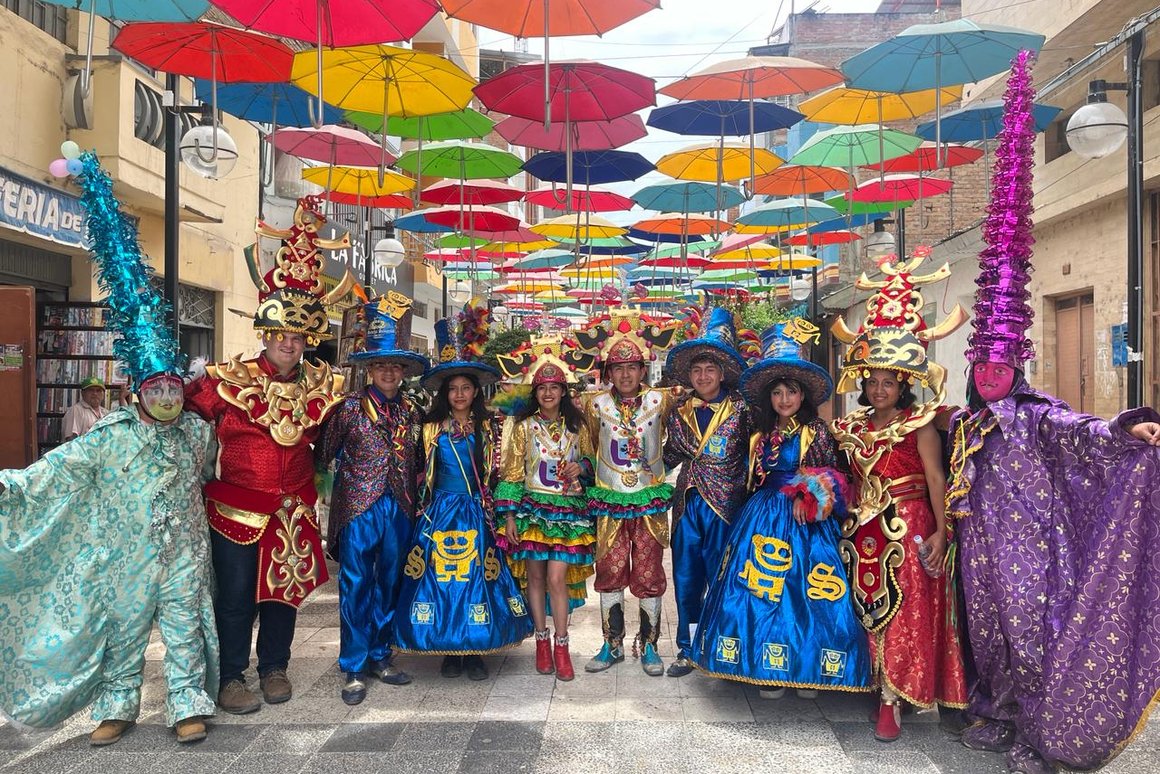
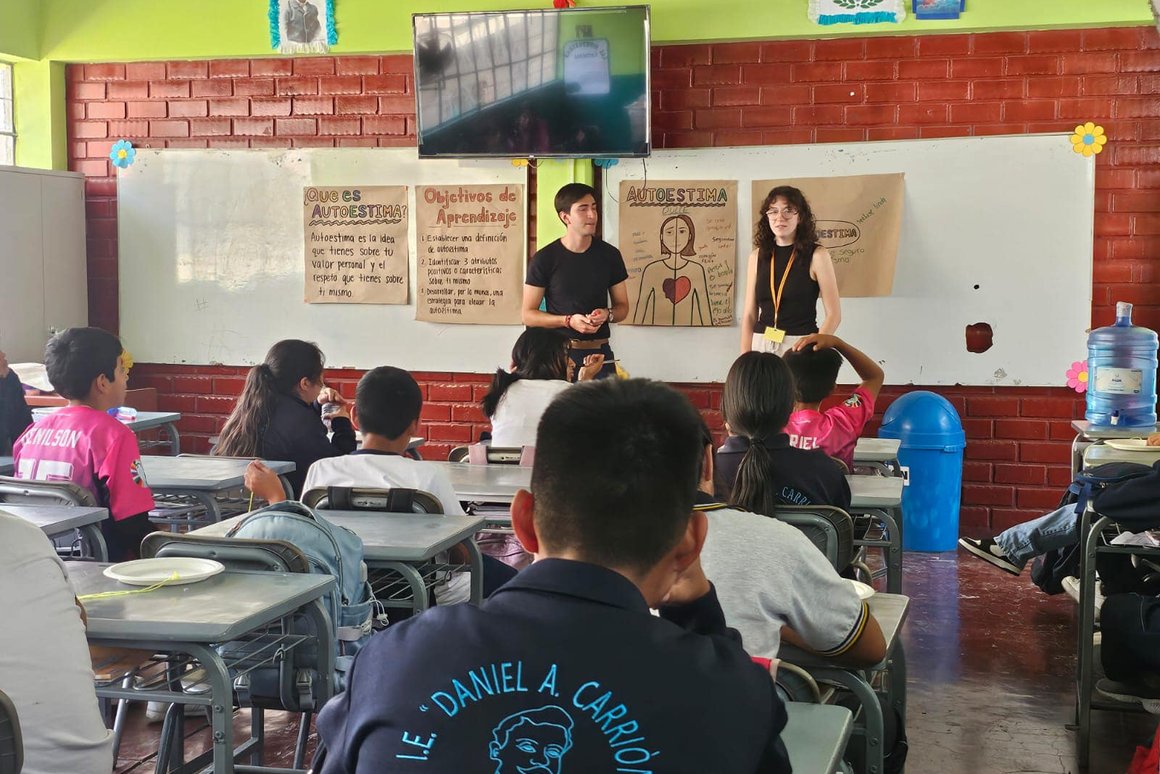
Photos from Peru



How you and the community will make an impact together:
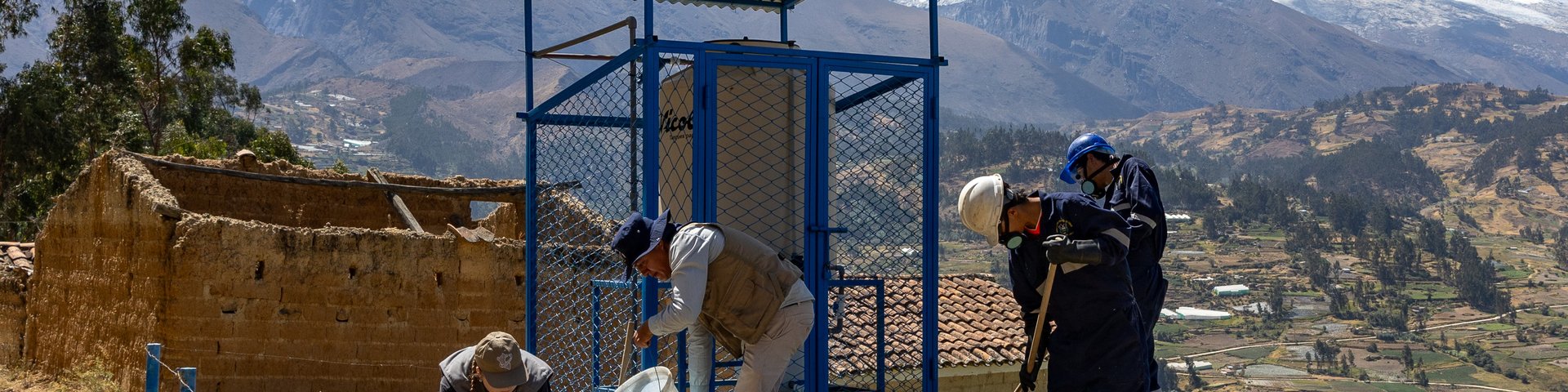
Lead water system inspections with community leaders to identify potential risks.
Drive actions that guarantee clean water and keep facilities running smoothly.
Deliver hands-on training in the field to local water authorities on system administration operation and maintenance.
Boost processes that strengthen sustainability and improve service efficiency.
Promote smart water use and good hygiene practices among community members.
Support local organizations in launching projects that encourage healthy habits and protect the environment.
You may also work on additional projects that meet the community’s interests and priorities, such as English clubs and after-school sports.
Volunteers in Peru typically live with a Peruvian host family in very small to mid-sized towns, with access to local organizations and small businesses. Communities may range from 1,000 residents to larger district hubs where Volunteers engage with surrounding rural villages. Volunteers can expect basic amenities, limited internet access, and frequent travel by foot, bicycle, or public transport to reach organizations.
Learn more about the living conditions, including detailed information on culture, communications, housing, and health/crime statistics on our Peru country page. You can also delve into stories about local communities by reading our blog or Volunteer stories.
Meet a Volunteer in Peru
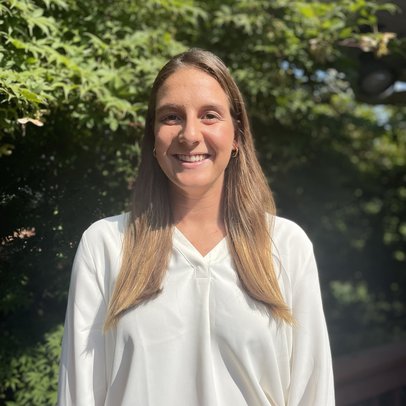
Brooke F.
Community Health Facilitator
"Peace Corps provided a unique opportunity to become deeply involved in a new community and form true connections with its people."
See full Volunteer profile
As a Water Sanitation and Hygiene Educator, you will be trained to support good water management and sanitary education. Peace Corps Peru will teach you Spanish to help you comfortably live in and connect with the community. You might also receive language resources and learn Quechua, a local language in some Andean communities.
After 10.5 weeks of training, you will move to a rural community where you will collaborate with organizations, such as local governments, local water committees, local public schools, health posts to assess the local needs and develop solutions based on sustainable water management and best hygiene practices.
Heterosexual and same-sex couples are accepted for this program. Each person must apply separately and qualify for a position in a different sector than their partner. Couples will live together during training but may separate occasionally for field-based activities. Cohabitating couples are highly encouraged to present themselves as married throughout service due to cultural expectations.
To learn more about serving as a couple in Peru, visit the country page.
Application process
From application to departure takes around nine months. Learn about the application process for Volunteer opportunities.
Medical/legal clearance
You will need to be cleared medically and legally in order to serve in Peru. Review information on medical clearance and legal clearance to learn about the process.