An official website of the United States government

Official websites use .gov
A
.gov website belongs to an official government
organization in the United States.

Secure .gov websites use HTTPS
A
lock (
) or https:// means you’ve safely connected to
the .gov website. Share sensitive information only on official,
secure websites.

Search
Connect with the Peace Corps
If you're ready for something bigger, we have a place where you belong.
Apply to the Peace Corps
The application process begins by selecting a service model and finding an open position.

Let us help you find the right position.
If you are flexible in where you serve for the two-year Peace Corps Volunteer program, our experts can match you with a position and country based on your experience and preferences.
Serve where you’re needed mostFood Security Educator
 Agriculture
 Health
Job highlights
- Gain hands-on experience in food security, sustainable agriculture, and nutrition.
- Learn French from skilled Language and Cross-Culture Facilitators.
- Experience the welcoming culture of Togo and become a valued member of your community.
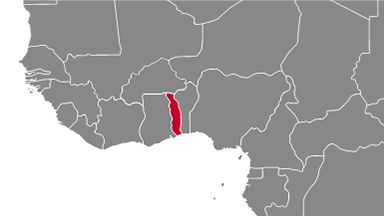
Togo • Africa
In partnership with: Women’s farming groups, public schools, health centers
Get answers live — every weekday at .
Apply by
November 15, 2026Know by
January 1, 2027Depart on
June 25, 2027Duration
2 years, plus 3 months trainingAbout the project
Ready to make a lasting impact on nutrition and food security at the grassroots level? Togo invites you to support rural communities to adopt sustainable agricultural practices, new technologies, and improved access to nutritious foods.
Sixty-five percent of the working population in Togo relies on agriculture for a living. Smallholder farmers—many of them women lacking the appropriate agricultural training—face persistent challenges, including degraded soils, irregular rainfall, and limited access to essential resources such as improved seeds, fertilizers, financing, processing methods, storage technologies, and markets. This contributes to food and nutrition insecurity. According to the Ministry of Agriculture, nearly 50% of households have poor or limited food consumption, and 60% lack a diverse diet. To overcome these challenges, it is recommended that smallholder farmers are trained on improved management techniques and practices as new research and recommendations are released.
As a Food Security Educator, you will mentor the smallholder farmers, primarily the youth and women, on sustainable agricultural techniques that support household food security. You will additionally promote the cultivation, preparation, and preservation of nutrient‑rich foods for vulnerable families. Your collaborative efforts will make an impact on the quality and quantity of food available at the individual, household, and community level through agricultural and nutrition education activities.
Learn more about what Volunteers do in country by visiting our Togo project page.
Required skills
Qualified candidates will have one or more of the following criteria:
Associate degree in any field and at least two years of full-time, post-high school work experience (from any combination of roles).
OR
Bachelor's degree in any field.
OR
High school diploma or GED and 4 years of full-time post-high school work experience (from any combination of roles).
Language: There are no pre-requisite language requirements for this position.
Required behavioral competencies
These competencies are essential for all service assignments and are assessed in the application and interview process:
Motivation for and commitment to service
Adaptability and open-mindedness
Problem solving and resourcefulness
Behavioral maturity and professionalism

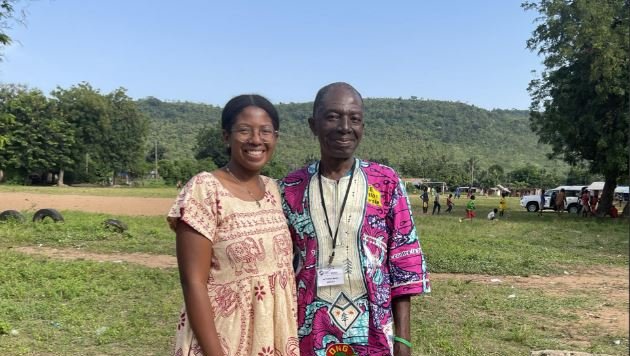
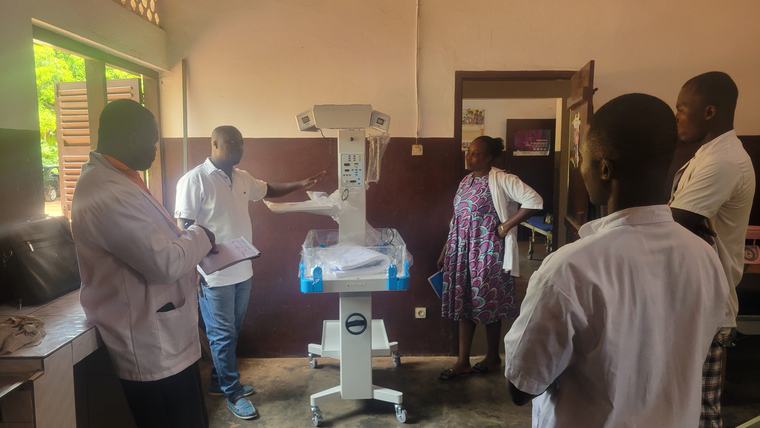
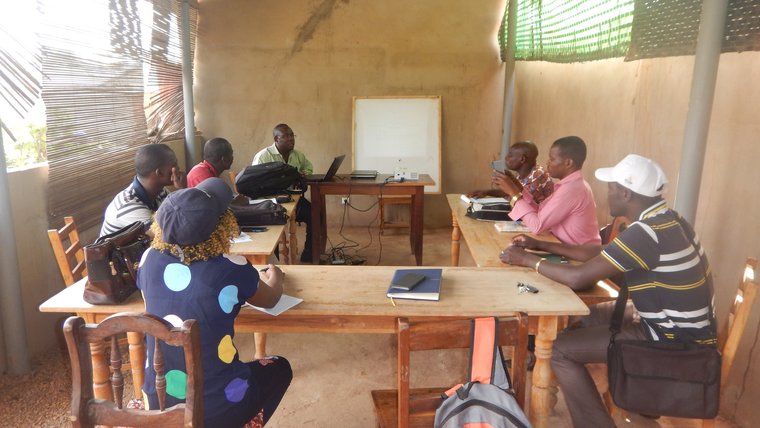
Photos from Togo



How you and the community will make an impact together:
Identify food production assets and needs.
Assess potential collaboration opportunities with women’s groups, schools, youth clubs and smallholder farmers.
Initiate or revitalize food security and nutrition groups, strengthening their organizational capacity.
Provide training on sustainable gardening techniques with high-value, nutrient-dense produce.
Coach groups and individuals to establish small-scale fruit tree orchards.
Introduce food processing and storage techniques to boost value and reduce waste.
Facilitate educational talks and cooking demonstrations that promote a balanced diet using local ingredients.
Promote sustainable water‑collection practices to ensure reliable access for gardening and hygiene.
You may also work on additional projects that meet the community’s interests and priorities, such as facilitating school English clubs or environmental activities.
After living with a host family during training, Volunteers will move to a rural community where they can expect a private space within a larger compound. Housing across the Centrale, Kara, Maritime, and Plateaux regions will feature a bedroom, living or kitchen area, bathroom or latrine, secure doors, and windows with mosquito screens. A gas stove, propane tank, and safety equipment will be provided.
Learn more about the living conditions, including detailed information on culture, communications, housing, and health/crime statistics on our Togo country page. You can also delve into stories about local communities by reading our blog or Volunteer stories.
Meet a Volunteer in Togo

Kelcey F.
Sustainable Agriculture Volunteer
"Life doesn’t drag its feet. Don’t let fear or unknowns stop you. Trust in yourself and your capabilities. Open yourself up to a new and amazing experience. Life is for living."
See full Volunteer profile
As a Food Security Educator, you will be trained on methods for bio-intensive gardening, fruit tree planting, and nutritional cooking demonstrations. Peace Corps/Togo will teach you French to help you comfortably live in and connect with the community. You will also receive language resources and learn basic communication skills in a local language, such as Ewe, Kabye, Bassar, Tem, or Ikposso.
Only heterosexual couples can be accepted for this program. Each person must apply separately and qualify for a position in a different sector than their partner. Cross-sector couples will live with different host families who may reside in different communities during training. Cross-sector couples may see each other for joint-sector training days or on the weekends but neither are guaranteed. Cohabitating couples are highly encouraged to present themselves as married throughout service due to cultural expectations.
To learn more about serving as a couple in Togo, visit the country page.
Application process
From application to departure takes around nine months. Learn about the application process for Volunteer opportunities.
Medical/legal clearance
You will need to be cleared medically and legally in order to serve in Togo. Review information on medical clearance and legal clearance to learn about the process.