An official website of the United States government



Tips for serving in Togo from 4 Peace Corps Volunteers
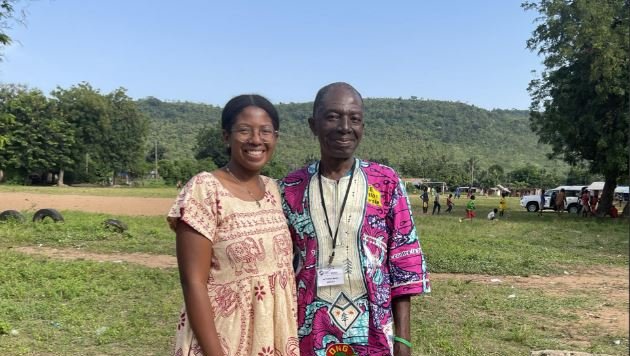
Whether you just applied or received your acceptance letter to serve in Togo, you may be wondering what life is like in this West African nation. Four Volunteers share what they’ve learned since entering on duty.
Appreciating your new home
Before you devour every Peace Corps memoir or service story from family friends, be mindful that this “research” doesn’t impact your ability to be open-minded or adaptable—a vital skill for service. Arriving with information but few expectations will enable you to fully appreciate your site, service assignment, host family, and how they collectively create a truly unique experience.
Sierra M. (2017-2019) reflected, “I thought I was going to be in the north. I found out my site was only 7 kilometers away from where our training site was and I was really upset. In my mind, everyone else was going on a grand adventure and I was stuck. I decided that I needed to change my mindset. Peace Corps—no matter where you’re placed—is going to be out of your comfort zone. [My site] was the place for me once I embraced it.”
In-country projects
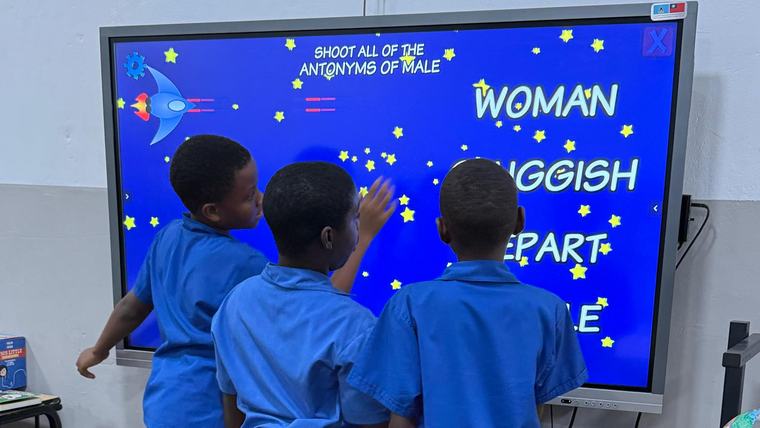
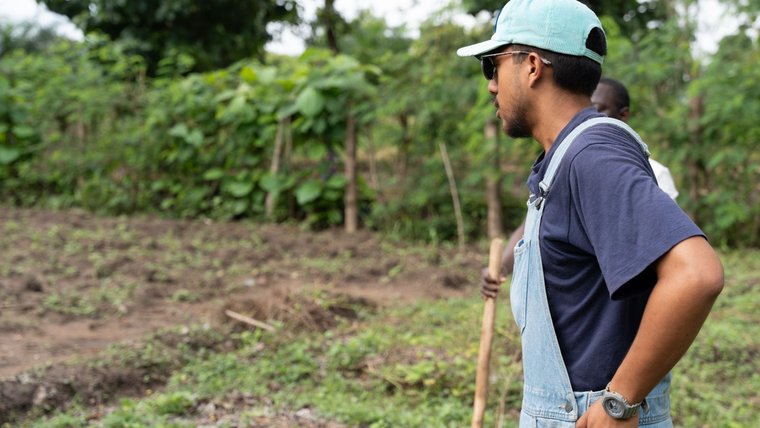
Peace Corps Togo collaborates with in-country partners on Agriculture, Education, and Health projects. Agriculture Volunteers co-train farmers on sustainable techniques that strengthen the country’s food security and ensure community members have access to a nutritious diet. Education Volunteers co-facilitate English classes or clubs and support local teachers to develop skills for the classroom. Health Volunteers support maternal health initiatives or promote behavior changes, such as using insecticide-treated bed nets to prevent malaria.
Leah G., a Health Volunteer (2017-2019) who worked on behavior change, shared: “One of the things that we found out was that a lot of parents who don’t send their girls to school believe in this idea of futility, meaning that even if a girl was in school she wouldn’t learn to read and write. We have a group of girls from our villages go to a big regional capital and meet a lot of successful women that way, whether they’re entrepreneurs or doctors or nurses. We’re hoping to tweak this idea a little bit or at least add to it to take women to the villages so the parents who would be deciding whether their girls get to go to school see women in action who have been successful.”
Learn more about projects in Togo.
A multilingual country
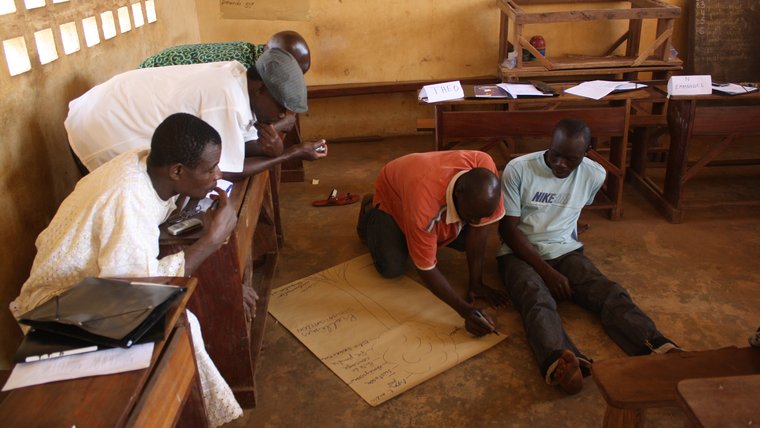
Two-year Volunteers attend French language classes during pre-service training (PST) to reach a proficiency level that allows them to navigate everyday life. While French is the country’s official language, you may encounter over 40 different languages during your service!
If you wish to learn an additional language to further integrate, consider Togo’s two national languages: Ewe and Kabiye. The region in which you are placed will likely dictate which of these two tonal languages are more widely spoken. Our tip to you? Attend as many traditional ceremonies and fêtes (festivals) as possible. These social activities will help you absorb the new languages and create lasting bonds.
Marquita R. (2022-2025), who didn’t speak French before service, stated the Togolese are quick to help: “Instead of avoiding conversation with me, they invited me into their homes to share a meal and help me improve my language skills in French and the local language. I love how enthusiastically they reacted to my greetings in the local language, or when surprising them with a new phrase I learned.”
Too excited to wait? Learn common greetings and useful phrases in French from Peace Corps Togo’s language and culture facilitators.
What to pack
Dress codes can vary by community and region. Pack a few modest, professional outfits that you already own, keeping the tropical-savanna climate in mind. Once you get to site, you’ll be able to observe the expected dress code. Consider your service assignment, too. For instance, an Agriculture Volunteer could benefit from packing hiking shirts, boots, and gloves, while Education or Health Volunteers may pack a few more business casual options.
Other items to consider packing:
- Low-cost electronics with durable covers that are insured for the heat and dust. You will be provided a simple cell phone and SIM card.
- A packable, lightweight raincoat and waterproof shoes will prove helpful during the rainy season.
- A journal to document the experience— you’ll appreciate revisiting your days of service later in life.
See our complete packing guidance for Togo.
Lifelong lessons
Regardless of when or where they served, Peace Corps Volunteers return home forever changed. The lessons you learn from your host community, fellow Volunteers, post staff, and from living on your own will be ones you carry with you always.
“Learning to live more minimally and sustainably is something that I will take home from Togo. Whether it be water or electricity usage, single-use plastics, or waste management, my time in Togo has allowed me to reflect on my own usage and the importance of a sustainable future,” shared Agriculture Volunteer Miguel R. (2022-2024).
Want to connect with other Volunteers who served in Togo to learn more? Find and connect with country groups through the National Peace Corps Association.
Do you want to experience Togo for yourself as a Peace Corps Volunteer? Connect with a recruiter to start your journey.