An official website of the United States government


5 Peace Corps Volunteers share how service has changed them
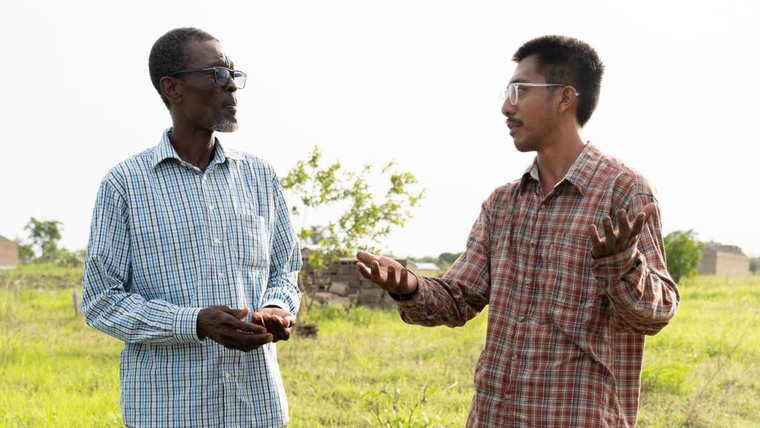
As they integrate into their communities and collaborate on projects, Peace Corps Volunteers learn and grow during their many months of service abroad. Here are insights and perspectives from 5 Volunteers.
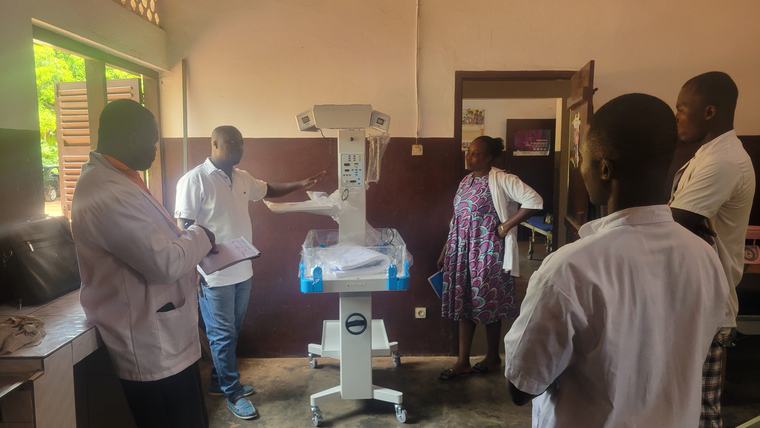
Miguel R. (Togo)
Learning to live more minimally and sustainably is something that I will take home from Togo. Whether it be water or electricity usage, single-use plastics, or waste management, my time in Togo has allowed me to reflect on my own usage and the importance of a sustainable future...
Trinity S. (Zambia)
“I will [approach] sustainable development projects very differently. Rather than just looking at issues and jumping straight to solutions, I will…take the time and energy to understand the lived experiences and daily challenges faced by those in affected communities … it can be easy to jump to conclusions or assume solutions without understanding the barriers that exist.”
Declan T. (Fiji)
“… I love the idea of community and being present with others. I think the Fijians are onto something with their tradition of keeping their house open to anyone who walks by. I hope that wherever I end up in the U.S., I will cultivate that same kind of place-based community. Building relationships with neighbors and just being present in the company of others is what I really hope to achieve.”
Jasmine C. (Benin)
“I feel fairly certain that I will be more careful about food preservation and management. For me this means composting and buying correct amounts. We take many things for granted in the U.S., like access to diverse food year-round, as well as refrigeration and infrequent power outages. These advantages mean that it will be even easier for me to be mindful about my food consumption. I also want to start gardening, which is a new interest.”
Henry B. (Costa Rica)
“I will try to listen and think before I respond to things. Living in a different culture with a different language has taught me that this is a valuable skill in two ways: first, as all Peace Corps Volunteers learn, regardless of what we think our community needs, we are there to serve them and so we must put aside our own ideas and listen. Second, we process things more slowly in our second languages. Living every day as a Spanish rather than English speaker I am forced to slow down to understand what people are saying. This also gives me more time to think about my response. Living in Costa Rica has taught me to put my own ideas on the back burner, and to slow down and process things before I respond.”