An official website of the United States government




Togo’s rice market expands online
Rice is a staple in many Togolese homes. It’s served with palm fruit and peanut soup alongside touwo (rice paste) or ayimolou (rice and beans topped with tomato sauce).
Despite two-thirds of the country’s population working in agriculture, over half of the consumed rice is imported. Groupe Chrétien de Recherche Action pour la Promotion Humaine (GRAPHE), which translates to Christian Research Group Action for Human Promotion, is looking to reverse this trend by promoting more sustainable agricultural practices.
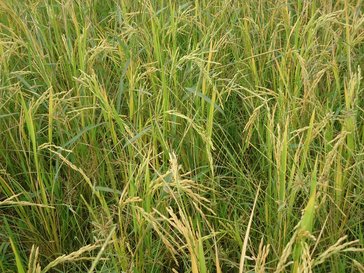
In 2012, GRAPHE introduced the System of Rice Intensification (SRI), allowing agricultural cooperatives in Togo to use new methods that increase yields of improved rice varieties while using fewer resources and reducing environmental impact. Rice produced using these methods is marketed locally under an agroecological brand. GRAPHE also seeks to promote the cultivation of organic Oryza glaberrima—a highly nutritious rice variety commonly known as African rice or red rice—and support local co-ops to market the red rice to a wider audience online under the fairtrade model.

“A website allows us to sell more and redistribute the profits fairly to the farmers. It will facilitate the training of farmers through online courses, particularly where means of transport are limited,” shared Katchokada, GRAPHE’s executive director.
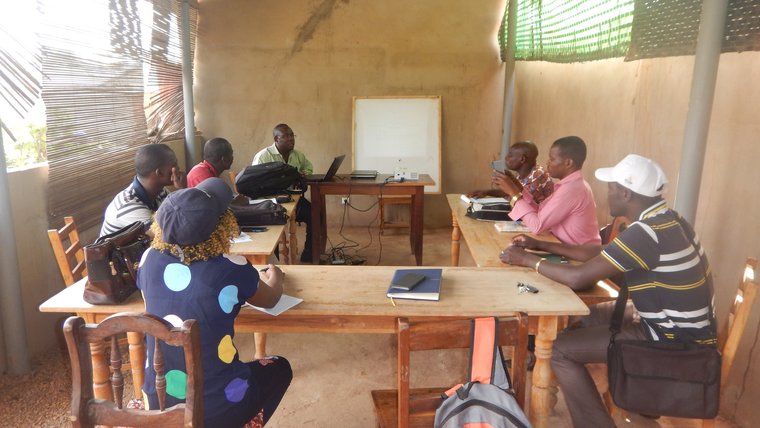
Partnering with the Peace Corps through the Virtual Service Pilot, the GRAPHE team began meeting Chris H., a retired telecommunication marketing consultant, each week online.
Chris had some understanding of West Africa’s unique agricultural challenges from his time as a Peace Corps Volunteer in Togo from 1973 to 1975, and in Mali from 1975 to 1976. He also had expertise in rural agriculture development from those previous stints as a Peace Corps Volunteer. Before developing the website, Chris took the time to learn GRAPHE’s programmatic objectives, the team’s existing digital communications skills, and their processes—everything from how they package the goods to how they obtain organic certifications.
The site now has several sections: one for selling rice, another for technical information on agricultural practices, and a final section for presenting the NGO, its staff, and its mission. This collaboration has allowed GRAPHE to not only create a functional website, but also to strengthen their team's digital communication skills.
Chris and Katchokada went through the steps of getting a credit card to purchase the web address. Then they focused on small, achievable web development tasks, such as creating a page or adding text, images, and links. As with all Peace Corps collaborations, the virtual engagement centered on strengthening skills within the partner organization.
“I could have done it for them, but the goal is for GRAPHE’s team to be able to maintain and develop the site themselves. They are learning how to use the tool and now know how to edit pages and create content,” explained Chris.
Beyond the creation of GRAPHE's website, their virtual collaboration has strengthened cultural and professional ties, illustrating the benefits of international cooperation. “We are developing skills, relationships, and a better understanding between countries, which is the essence of international cooperation,” Chris shared. The development of the site has also inspired new ideas for GRAPHE, including the integration of a blog to inform donors and cooperative members of the NGO’s new initiatives.
Interest in digital communication skills is growing in Togo. In fact, two organizations that have not previously partnered with the Peace Corps due to their remote location in the country have requested a Virtual Service Pilot Participant this summer to strengthen their online presence and content strategy. If you wish to support those meaningful projects, subscribe for Virtual Service Pilot emails to be the first to know when virtual service opportunities become available.