An official website of the United States government

Official websites use .gov
A
.gov website belongs to an official government
organization in the United States.

Secure .gov websites use HTTPS
A
lock (
) or https:// means you’ve safely connected to
the .gov website. Share sensitive information only on official,
secure websites.

Search
Connect with the Peace Corps
If you're ready for something bigger, we have a place where you belong.
Apply to the Peace Corps
The application process begins by selecting a service model and finding an open position.


Let us help you find the right position.
If you are flexible in where you serve for the two-year Peace Corps Volunteer program, our experts can match you with a position and country based on your experience and preferences.
Serve where you’re needed mostEnvironmental Education Facilitator
 Agriculture
 Environment
Job highlights
- Learn Wolof, Pulaar, Sereer, or Mandinka from skilled Language and Cultural Facilitators.
- Gain international experience with environmental education curriculum, agroforestry best practices, and project management.
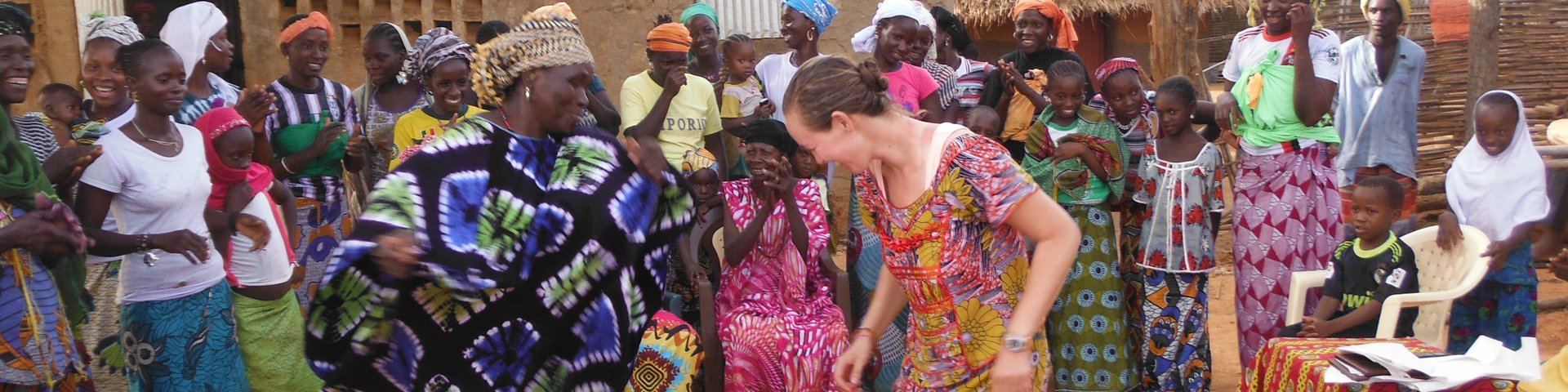
- Experience living within Senegal’s warm and welcoming culture.
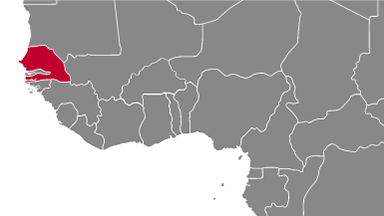
Senegal • Africa
In partnership with: Women’s groups, schools, farming associations
Applications are now closed. View current openings.
Apply by
June 15, 2026Know by
August 1, 2026Depart on
January 22, 2027Duration
2 years, plus 3 months trainingAbout the project
Want to promote sustainable environmental management and farming practices that integrate trees and woody plants into existing land use systems? Work alongside farmers and community members in Senegal!
Environmental degradation impacts ecosystems vital to communities in Senegal. Some traditional agricultural practices contribute to deforestation and reduce soil fertility and moisture retention. Extreme weather and coastal erosion are also diminishing the productivity of arable land. With well over a third of the population living below the poverty line, Senegal, like many of its regional neighbors, is affected by high rates of food insecurity and health vulnerability. To address these challenges, community-level interventions are needed to build awareness and skills for sustainable preservation.
As an Environmental Education Facilitator, you will collaborate with community members to strengthen land and orchard management practices. Together, you will also identify ways to increase access to nutritious foods and generate additional sources of income. In this role you will collaborate with community members to promote natural resource management practices and strengthen environmental education and nature-based solutions.
Learn more about what Volunteers do in country by visiting our Senegal project page.
Required skills
Qualified candidates will have one or more of the following criteria:
Associate degree in any field and at least two years of full-time, post-high school work experience (from any combination of roles).
OR
Bachelor's degree in any field.
OR
High school diploma or GED and four years of full-time, post-high school work experience (from any combination of roles).
Language: There are no pre-requisite language requirements for this position.
Required behavioral competencies
These competencies are essential for all service assignments and are assessed in the application and interview process:
Motivation for and commitment to service
Adaptability and open-mindedness
Problem solving and resourcefulness
Behavioral maturity and professionalism

Photos from Senegal



How you and the community will make an impact together:
Facilitate environmental education lessons for youth clubs.
Conduct field-based instruction of adults and out-of-school youth about relevant environmental issues and measures to address specific issues, such as solid waste management or soil degradation.
Conduct trainings to expand and support income-generating activities.
Strengthen natural resource management capacity.
Promote reforestation and forest management practices.
You may also work on additional projects that meet the community’s interests and priorities, such as promoting ways to improve nutrition and increase access to nutritious foods through community gardens or smallholder farms.
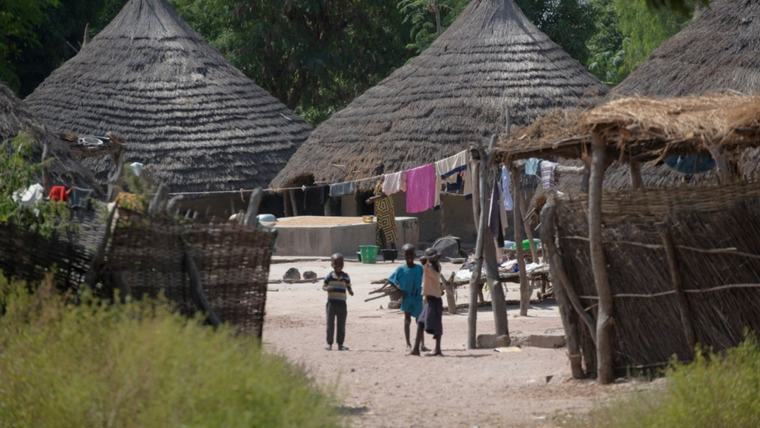
All Volunteers live with host families, a living arrangement that creates a sense of belonging and helps integration. Many Volunteer homes do not have electricity or running water. Instead, Volunteers collect their water from a community pump or well. Volunteers are placed in the arid northern regions, including St. Louis, Thies, Diourbel, and Louga; more temperate central regions of Fatick and Kaolack; and tropical regions south of the Gambia River, including Sediou and Kolda.
Learn more about the living conditions, including detailed information on culture, communications, housing, and health/crime statistics on our Senegal country page. You can also delve into stories about local communities by reading our blog or Volunteer stories.
Meet a Volunteer in Senegal
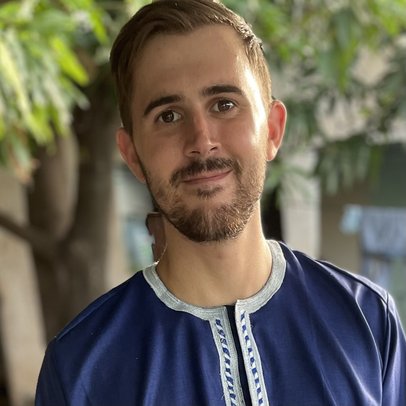
Holden M.
Community Economic Development Volunteer
"Community members never forget how you made them feel and the skills you taught. Taking the time to listen, laugh, and learn together has been a deeply meaningful part of my service."
See full Volunteer profile
As an Environmental Education Facilitator, you will be trained in natural resource management, environmental education curriculum, and agroforestry best practices. Peace Corps/Senegal will teach you Wolof, Pulaar, Sereer, or Mandinka to help you comfortably live in and connect with the community.
After 10 weeks of training, you will move to a rural community where you will work with community members to assess the needs and develop solutions based on the participatory analysis for community action methodology. After three months at site, you will receive additional technical training tailored to the results of your community assessments.
Only heterosexual couples can be accepted for this program. Each person must apply separately and qualify for a position in a different sector than their partner. Cross-sector couples will live with different host families who may reside in different communities during training. Cross-sector couples may see each other for joint-sector training days or on the weekends but neither are guaranteed. Couples that serve in this country must be legally married to avoid conflicts that are not aligned with cultural and religious beliefs.
To learn more about serving as a couple in Senegal, visit the country page.
Application process
From application to departure takes around nine months. Learn about the application process for Volunteer opportunities.
Medical/legal clearance
You will need to be cleared medically and legally in order to serve in Senegal. Review information on medical clearance and legal clearance to learn about the process.