An official website of the United States government

Official websites use .gov
A
.gov website belongs to an official government
organization in the United States.

Secure .gov websites use HTTPS
A
lock (
) or https:// means you’ve safely connected to
the .gov website. Share sensitive information only on official,
secure websites.

Search
Connect with the Peace Corps
If you're ready for something bigger, we have a place where you belong.
Apply to the Peace Corps
The application process begins by selecting a service model and finding an open position.


Let us help you find the right position.
If you are flexible in where you serve for the two-year Peace Corps Volunteer program, our experts can match you with a position and country based on your experience and preferences.
Serve where you’re needed mostCommunity Health Promoter
 Health
Job highlights
- Experience living in a rural community and collaboratively developing solutions within a new culture.
- Learn a local language and develop lifelong friendships through rich cultural exchange.
- Receive intensive training on participatory development, project management, facilitation, and cultural agility.
Applications are now closed. View current openings.
Apply by
June 15, 2026Know by
August 1, 2026Depart on
January 17, 2027Duration
2 years, plus 3 months trainingAbout the project
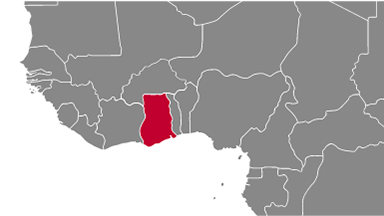
Whether you already have a background in health or are interested in learning new skills to promote healthy practices, communities in Ghana are looking for you.
Progress has been made in Ghana to improve maternal and child health, water, sanitation and hygiene (WASH) practices, and access to healthcare services. However, challenges persist to ensure that Ghanaians lead healthier lives through improved health practices. The main challenges relate to social and behavior changes. For instance, some pregnant women do not seek early antenatal care, while others don’t use this care at all. There is also significant room for improvement with postnatal care attendance and breastfeeding. In terms of sanitation, many schools lack basic handwashing stations.
As a Community Health Promoter, you will collaborate with local healthcare professionals to promote positive social and behavior changes to strengthen overall health standards in rural communities. Your developed relationships and presence in the respective community supports the acceptance of promoted healthy behaviors. Alongside your colleagues, you will adapt approaches to the local context based on language, cultural, and logistical considerations, as well as societal norms for women, men, girls, and boys.
Learn more about what Volunteers do in country by visiting our Ghana project page.
Required skills
Qualified candidates will have one or more of the following criteria:
Associate degree in any field and at least two years of full-time, post-high school work experience (from any combination of roles).
OR
Bachelor's degree in any field.
OR
High school diploma or GED and four years of full-time, post-high school work (from any combination of roles).
Language: There are no pre-requisite language requirements for this position.
Required behavioral competencies
These competencies are essential for all service assignments and are assessed in the application and interview process:
Motivation for and commitment to service
Adaptability and open-mindedness
Problem solving and resourcefulness
Behavioral maturity and professionalism

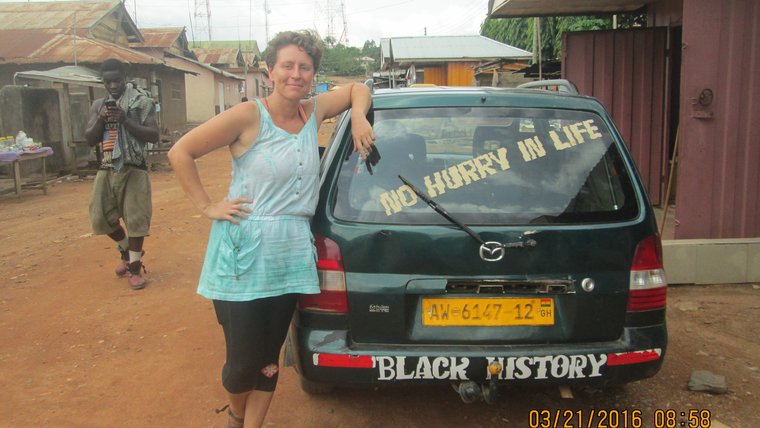
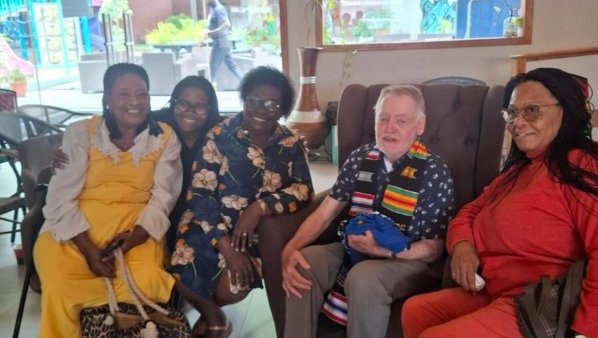
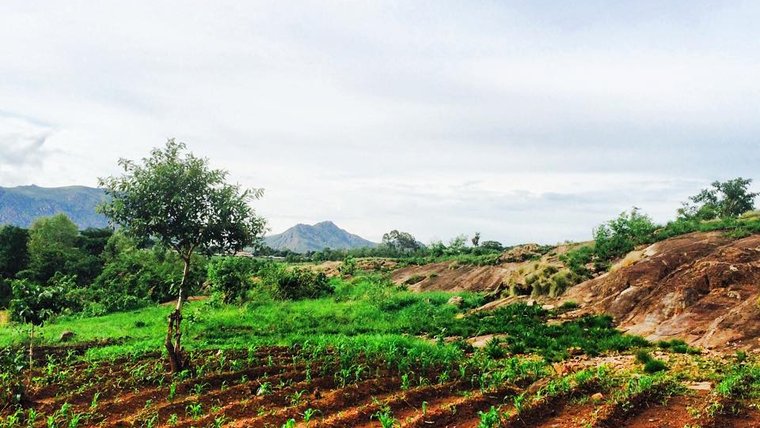
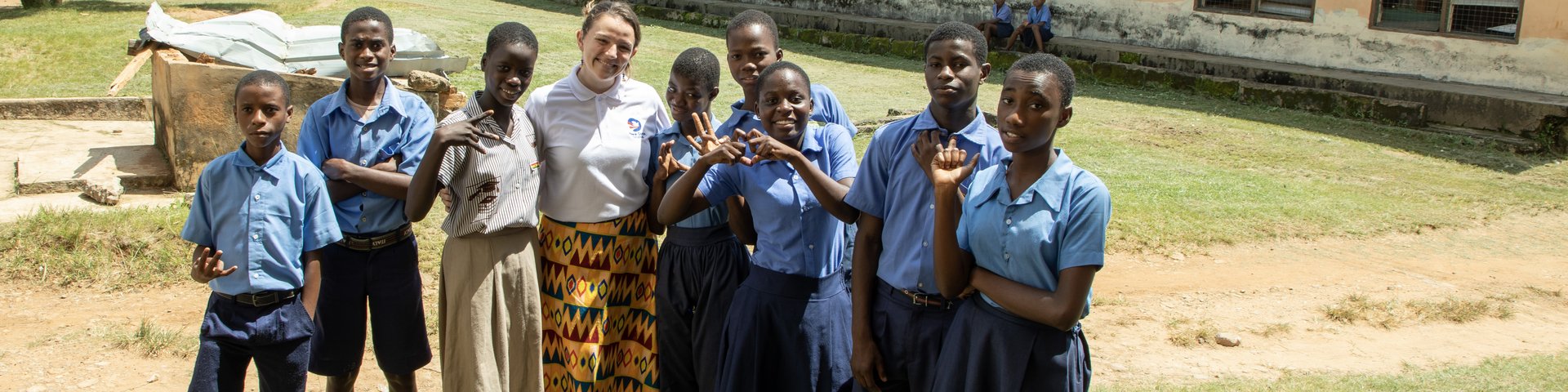
Photos from Ghana



How you and the community will make an impact together:
Promote balanced nutrition among pregnant and breastfeeding mothers and children under 5.
Promote improved hygiene practices and water/sanitation options to improve WASH practices and reduce diarrheal diseases.
Facilitate sanitation and health education campaigns to increase health literacy and encourage hygienic practices.
Support community-based health planning and services.
Facilitate youth life skills clubs.
You may also work on additional projects that meet the community’s interests and priorities, such as working with women’s groups on income generation activities and co-leading health and wellness camps.
Volunteers are placed in rural communities in Ghana. Some Volunteers will live in self-contained concrete houses while others may have one or two rooms inside a family compound or nurse’s quarters. While subject to change based on programmatic needs, Volunteers are currently placed in the following regions: Greater Accra, Bono, Eastern, Northern, Oti, and Volta.
Expect a slower pace of life both professionally and socially. To gain the acceptance, respect and confidence of Ghanaians, it is essential that you dress and conduct yourself in a manner which conforms to Ghanaian standards and is expected of professional development workers.
Serving in rural communities requires much flexibility, and Volunteers should not expect U.S. standards regarding facilities, space and privacy in living conditions. Peace Corps will provide additional items such as a cook stove, water filter and money for a bicycle. Cell phone service will be available in most small towns and the postal system is improving but is slow. Your diet may consist of a starchy staple prepared from rice, corn, yam, cassava or plantain, served with a spicy soup or stew which can be made from groundnuts (peanuts), tomatoes, vegetables, beans and possibly some meat or fish. While it is possible to accommodate a vegetarian diet, it will take extra effort on the part of the Volunteer.
Learn more about the living conditions, including detailed information on culture, communications, housing, and health/crime statistics on our Ghana country page. You can also delve into stories about local communities by reading our blog or Volunteer stories.
Meet a Volunteer in Ghana
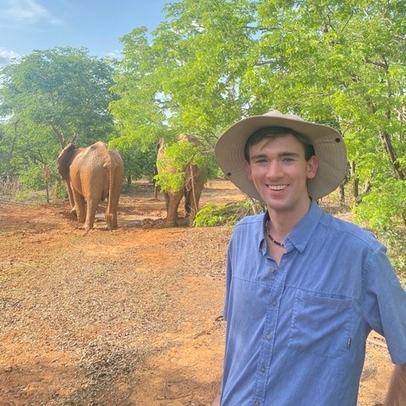
Trey F.
Math and Science Teacher
"There are many challenges that come with joining the Peace Corps, but it is a great way to grow and serve others while representing your country. I have had many adventures and have become a much more confident teacher and leader through my experience."
See full Volunteer profile
As a Community Health Promoter, you will be trained to support healthy practices in Ghana, including but not limited to nutrition, maternal and child health, social and behavior change, and water and sanitation hygiene. Peace Corps/Ghana will teach you Twi, Ewe, Dagbani, or Ghanaian Sign Language to help you comfortably live in and connect with the community.
After 10 weeks of training, you will move to a rural community where you will collaborate with health workers, mothers, youth, and community members to organize and advance health-related project activities. You will work with the community to assess the local needs and develop solutions based on their priorities.
Only heterosexual couples can be accepted for this program. Each person must apply separately and must qualify for a position in either the same or a different sector than their partner. Cross-sector couples will live with different host families who may reside in different communities during training. Cross-sector couples may see each other for joint-sector training days or on the weekends but neither are guaranteed. Couples who are selected for the same sector will live together but work with different local partners which may be in the same community or in neighboring communities (not more than 30 minutes apart).
To learn more about serving as a couple in Ghana, visit the country page.
Application process
From application to departure takes around nine months. Learn about the application process for Volunteer opportunities.
Medical/legal clearance
You will need to be cleared medically and legally in order to serve in Ghana. Review information on medical clearance and legal clearance to learn about the process.