An official website of the United States government

Official websites use .gov
A
.gov website belongs to an official government
organization in the United States.

Secure .gov websites use HTTPS
A
lock (
) or https:// means you’ve safely connected to
the .gov website. Share sensitive information only on official,
secure websites.

Search
Connect with the Peace Corps
If you're ready for something bigger, we have a place where you belong.
Apply to the Peace Corps
The application process begins by selecting a service model and finding an open position.
Let us help you find the right position.
If you are flexible in where you serve for the two-year Peace Corps Volunteer program, our experts can match you with a position and country based on your experience and preferences.
Serve where you’re needed mostCommunity Health Facilitator
 Health
 Youth in Development
Job highlights
Applications are now closed. View current openings.
Apply by
January 1, 2026Know by
April 1, 2026Depart on
August 31, 2026Duration
2 years, plus 3 months trainingAbout the project
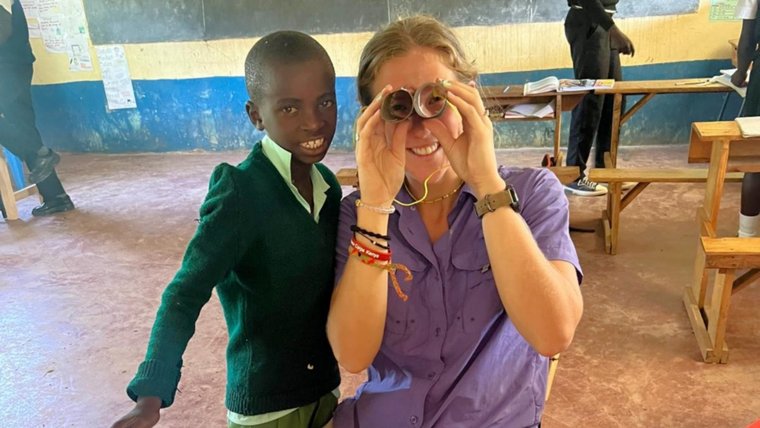
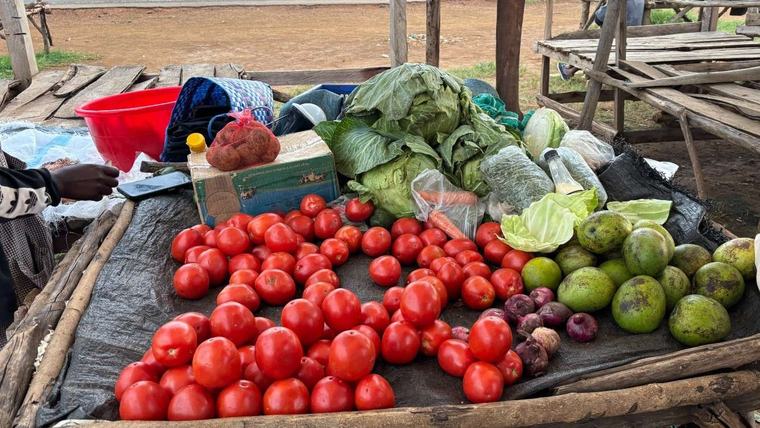
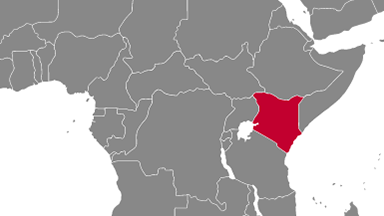
Do you have a passion for public health? Can you see yourself co-presenting an HIV information session with a Kenyan Community Health Promoter (CHP) counterpart to mothers gathered under the shade of a mango tree? Can you envision walking to the local market to buy beans, corn, and peanuts, and being greeted in Kiswahili by a group of youth from the health club you co-facilitate? If so, Peace Corps seeks applicants like you with the dedication, flexibility, and resiliency to respond to community needs and support public health initiatives in Western Kenya.
In partnership with the Kenyan Ministry of Health, Peace Corps Kenya developed the Community Health Project in which Volunteers work in collaboration with their counterparts and host communities in four focus areas:
1. Malaria Prevention
2. Maternal, Newborn, and Child Health
3. Supporting Community Health Promoters (CHPs)
4. HIV/AIDS Prevention, Treatment and Care
Community Health Facilitators work within governmental health clinics, NGOs, schools, and community-based organizations. Together with their local CHP counterparts and partner institutions, Volunteers serve as co-facilitators and community health educators, supporting capacity-building efforts among community health workers to improve health outcomes in their communities. Through home visits, health talks, and other community-based activities, Volunteers work side-by-side with community members on HIV and malaria prevention with a focus on youth, pregnant women, and children.
On a typical workday, Community Health Facilitators and their CHP counterparts may conduct the following types of activities:
• Co-training and supporting community-based health organizations that advocate for positive social behavior change, addressing diseases such as malaria and HIV/AIDS, which are top priorities in Kenya.
• Co-facilitating evidence-based interventions that promote positive health outcomes on issues such as safe motherhood and neonatal and child health.
• Collaborating with community leaders to conduct needs assessments, identify community public health challenges, and find sustainable local solutions.
As with all Peace Corps programs, flexibility and a positive attitude are important for this project. Volunteers must be active in finding their niche and identifying where their strengths can be most useful. They may set their own work schedules, with activities that may occur on weekends, in the evenings, and at various locations in the community. Volunteers are trained to use Peace Corps assessment tools to identify and respond to community needs. Their secondary projects may include activities such as planting kitchen gardens, organizing youth sports and camps, and supporting health education activities in schools.
Peace Corps Kenya partners with community counterparts to promote girls’ education and empowerment, and Volunteers are trained on the realities of the societal roles of men and women in Kenya. Together with their Kenyan counterparts, they have the opportunity to co-implement development activities focused on women, men, girls, and boys that are contextually and culturally appropriate, co-facilitating empowerment programs to support both girls and boys in exploring a new paradigm together.
Learn more about what Volunteers do in country by visiting our Kenya project page.
Required skills
Qualified candidates will have one or more of the following criteria:
Qualified candidates will have one or more of the following criteria:
• Bachelor of Arts/Bachelor of Science degree in any field
Language: There are no pre-requisite language requirements for this position.
Required behavioral competencies
These competencies are essential for all service assignments and are assessed in the application and interview process:
Motivation for and commitment to service
Adaptability and open-mindedness
Problem solving and resourcefulness
Behavioral maturity and professionalism

Photos from Kenya



How you and the community will make an impact together:
Trainees live with Kenyan host families throughout Pre-Service Training (PST). After PST, Volunteers are placed in rural communities in Western Kenya. Housing is provided by the work partner and may be a private structure in a family compound, staff housing at the school or health facility, or a stand-alone house in the community. Structures vary from mud houses with metal roofs to concrete houses with glass windows, but all have facilities for cooking, bathing, and either indoor toilets or outdoor latrine outhouses. Volunteers may have to fetch and carry water from a local water source up to 100 meters from their home and may not have reliable access to electricity.
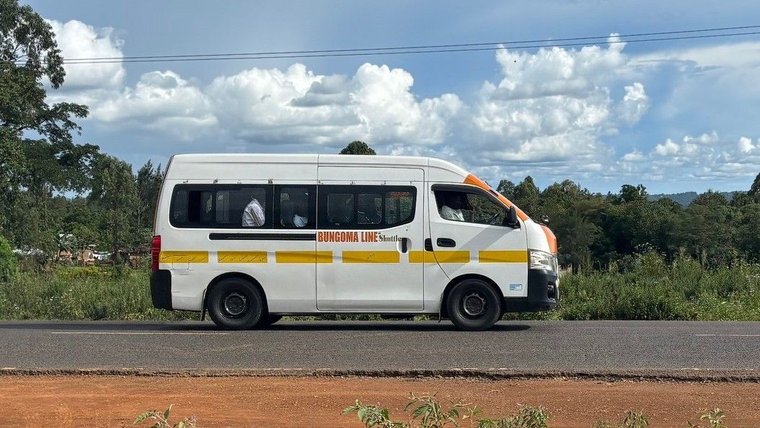
Volunteers in Kenya live within three kilometers of their work sites and are placed no more than five hours by public transportation from the regional capital, Kisumu, where the Peace Corps office is located. Volunteers ride matatus (minivans) as a main mode of public transportation to and from the nearest county capital to access banks, a variety of shops, markets, restaurants, and guesthouses. Peace Corps Kenya provides an allowance for Volunteers who wish to purchase a bicycle.
Cell phone coverage is not consistent in all communities, and text messaging may be more reliable. The Peace Corps will issue a Kenyan SIM card, and certain staff will be on call 24/7. Internet is available through cellphone service providers, and Volunteers are advised to bring a laptop to complete assignments such as monitoring, evaluating, and reporting activities.
Kenyans regard attention to dress and appearance as demonstrating respect, and Volunteers must take care to dress in a culturally appropriate manner 24/7. In training and on the job, Volunteers are expected to dress in modest, comfortable, business casual clothing. Hair should be clean and neat, with beards and mustaches neatly trimmed. Long hair and ear piercings on men and tattoos and piercings beyond the earlobe on any Volunteer may have a cultural stigma and could impede a Volunteer from building trust with and integrating into their host community. Volunteers with visible facial or body piercings or tattoos will need strategies to conceal them during the process of integration into their communities.
Food availability and variety will vary by community within Kenya. The staple food is ugali, which is made from maize meal and is eaten with cooked vegetables, fish, meat, beans, or chicken, typically with the right hand. Vegetarians and vegans can maintain a healthy diet, but vegetarianism is relatively uncommon and many prepared foods are made with animal products.
Peace Corps Kenya welcomes Volunteers from various backgrounds in the U.S., and staff and currently-serving Volunteers are committed to supporting them through challenges. Because Kenya has some restrictive laws against certain sexual acts, LGB Volunteers in particular must be mindful of cultural norms and country-specific laws and use their best judgment in their communities and host countries. Staff and currently-serving Volunteers will address this topic during PST and identify support mechanisms for incoming Trainees.
Learn more about the living conditions, including detailed information on culture, communications, housing, and health/crime statistics on our Kenya country page. You can also delve into stories about local communities by reading our blog or Volunteer stories.
Meet a Volunteer in Kenya
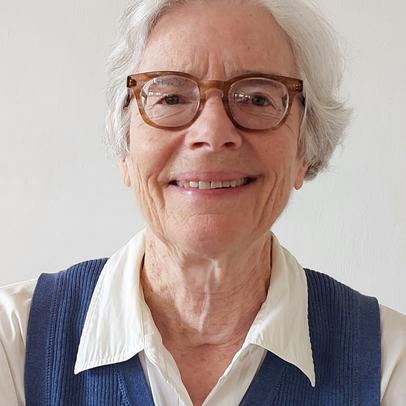
Marie H.
Secondary School Math Teacher
"When President Kennedy announced the formation of the Peace Corps in 1961, I was 11 years old. The idea of serving as a teacher overseas in a different culture appealed to me immediately, and now, after more than 60 years, my wish has been fulfilled."
See full Volunteer profile
To learn more about serving as a couple in Kenya, visit the country page.
Application process
From application to departure takes around nine months. Learn about the application process for Volunteer opportunities.
Medical/legal clearance
You will need to be cleared medically and legally in order to serve in Kenya. Review information on medical clearance and legal clearance to learn about the process.