 An official website of the United States government


Featured Volunteer Profile
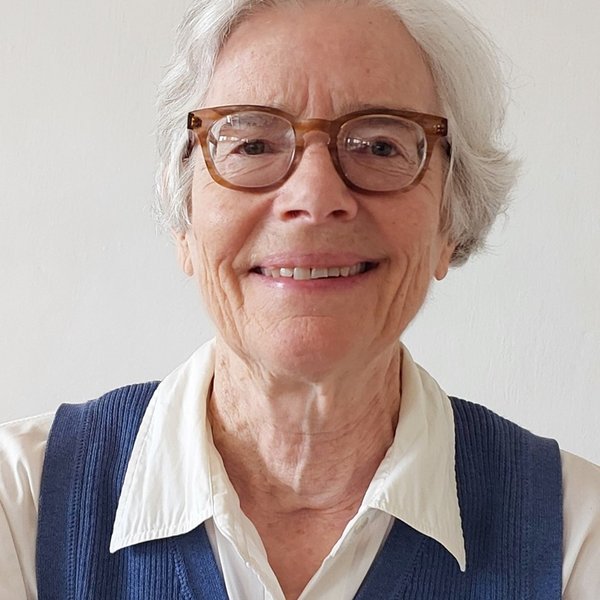
Marie H.
“When President Kennedy announced the formation of the Peace Corps in 1961, I was 11 years old. The idea of serving as a teacher overseas in a different culture appealed to me immediately, and now, after more than 60 years, my wish has been fulfilled.”
1. What got you interested in the Peace Corps?
When President Kennedy announced the formation of the Peace Corps in 1961, I was 11 years old. The idea of serving as a teacher overseas in a different culture appealed to me immediately, and now, after more than 60 years, my wish has been fulfilled.
2. What projects are you working on?
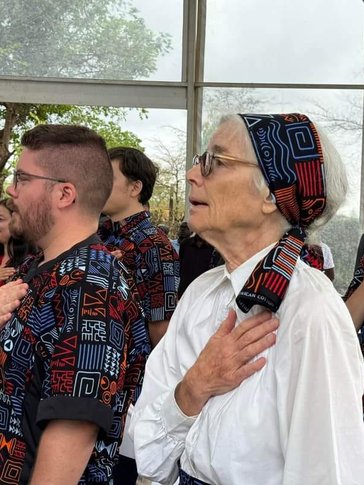
My primary project is to develop a comprehensive library containing fiction, nonfiction, children’s books, and reference materials at the secondary school. I’m working with a nonprofit agency (www.booksforafrica.org) which is currently seeking donations to cover transport costs for a container load of about 25,000 donated books in requested categories. Students as well as members of the community will be encouraged to use the library in hopes of fostering a reading culture.
Another project that will benefit our students is a partnership with a school in America made through Peace Corps’ Global Connections program. At first, Kenyan and American students will be linked as pen pals, to exchange letters and pictures. Later we hope to set up Zoom calls and other online connections, exchange items representative of each culture, and establish lasting friendships.
3. What strategies have you used to integrate into your community?
To better integrate, I have attended events, gone shopping, eaten meals, and even taken a trip with my friends and fellow teachers. At the invitation of friends, I have gone to services at several local churches and accompanied them to weddings and funerals. Also I take walks around the village and am often greeted and spoken to by residents, especially little children who enjoy practicing their English.
4. What is a highlight of your time in service so far?
Considering the many highlights of my time in Kenya, one of my favorites is working with individuals and small groups of students who come after class for extra help. During these sessions, I can address specific weaknesses, gauge how much students understand, and get to know each one a little better.
5. What have you enjoyed most about the community where you are serving?
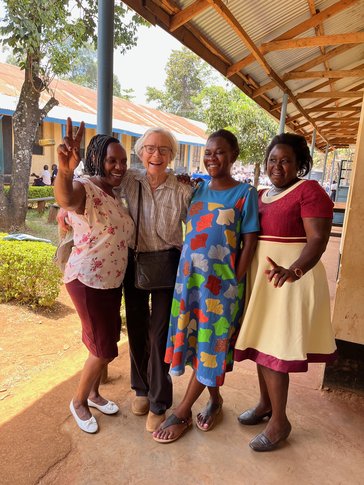
The people of this village are friendly and welcoming, as are my colleagues at school. Many local people recognize me, know my name, and extend their greetings when we pass each other. Taking walks is pleasant because of this social interaction and also because the countryside is beautiful and the climate close to ideal.
6. What are some of the most important things you have learned from your community?
I have learned that in Kenya, high priority is given to friendly greetings, handshakes, and conversation. My tendency as an American is to get down to business quickly and directly, but I realize now that other interactions may take precedence. As a Peace Corps Volunteer, my primary goal is to promote peace and friendship, which aligns nicely with Kenyan values.
7. How do you spend time when not working on a project?
Living in Kenya requires spending many hours to accomplish basic tasks, such as washing clothes, finding transportation, shopping, and preparing meals. Add in work, church attendance, community events, and exercise, and there is not much time to spare. In these extra minutes, my favorite ways to rest and recharge are reading books from the Peace Corps library and doing crossword puzzles brought from home.
8. Is there a community member who inspires you?
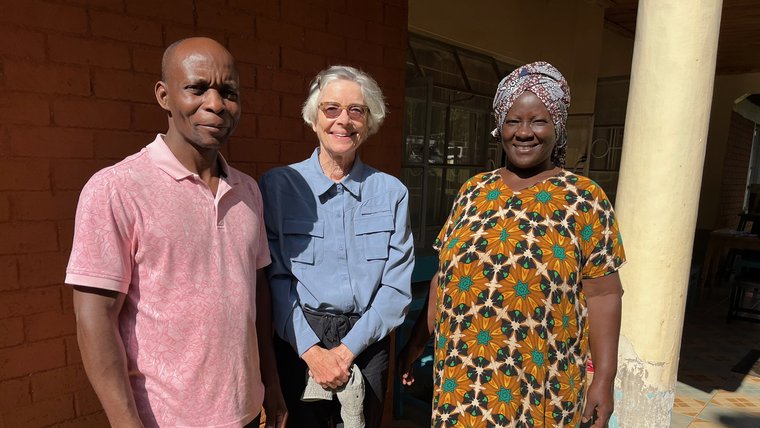
Patrick M., my Kiswahili tutor. Unable to pay the fees, he dropped out of school at age 16 and worked at a variety of jobs until he could open his own carpentry business in Nairobi. Eventually, he returned home to manage the family farm, marry, and raise children, while still working as a carpenter. At age 48, Patrick began taking courses at our local secondary school and four years later passed the KCSE exam. Since then he has earned a diploma in theological studies and is now pursuing a course in building and civil engineering.
9. What are you looking forward to in your remaining time as a Volunteer?
I am most looking forward to seeing my two projects (described above in question 2) come to fruition. Seeing thousands of books arrive at the school, working with students, teachers, and volunteers to catalogue and shelve the books, and finally watching people use the library and find books they love will be very gratifying.
Seeing student pen pals exchange letters and cultural artifacts will be an interesting educational experience for me as well as for Kenyan and American students, and meeting each other through the internet may reveal surprising similarities between our student cohorts. It will be especially nice if friendships develop that might some day result in actual visits to each other’s countries.
10. Once you finish service, what will you do differently when you return to the U.S.?
I will practice gratitude for the many blessings we Americans enjoy, such as consistent running water and reliable power supply. (Hot showers will be especially appreciated!) I will take every opportunity to tell anyone who is interested about my experiences in Kenya and share pictures of my home and school in Kenya and the beautiful surroundings. I will try to set an example of a simple lifestyle that does not require automobiles or electric appliances to accomplish every task. And I will try to maintain contact with the many friends I have made here.
Learn more about serving as a Peace Corps Volunteer in Kenya.



