An official website of the United States government

Official websites use .gov
A
.gov website belongs to an official government
organization in the United States.

Secure .gov websites use HTTPS
A
lock (
) or https:// means you’ve safely connected to
the .gov website. Share sensitive information only on official,
secure websites.

Search
Connect with the Peace Corps
If you're ready for something bigger, we have a place where you belong.
Apply to the Peace Corps
The application process begins by selecting a service model and finding an open position.
Let us help you find the right position.
If you are flexible in where you serve for the two-year Peace Corps Volunteer program, our experts can match you with a position and country based on your experience and preferences.
Serve where you’re needed mostCommunity Health Extension Agent
 Health
Job highlights
- Increase the quality of and local access to essential infant and child health services.
- Learn and practice skills for promoting maternal and child health in West Africa.
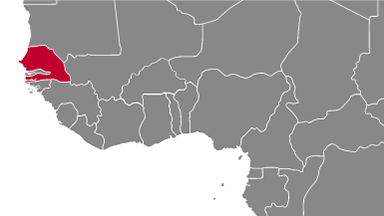
- Live within the warm and welcoming culture of Senegal.
Applications are now closed. View current openings.
Apply by
June 15, 2026Know by
August 1, 2026Depart on
January 22, 2027Duration
2 years, plus 3 months trainingAbout the project
Health facilities and clinics in Senegal are looking to improve maternal and child health in rural communities, and you can lend a hand.
Senegal has a network of over 2,400 health huts and a workforce of over 20,000 community health workers today. Despite these impressive numbers, communities still need support to improve the quality of care and become more self-sufficient. In 2025, the rate of infant mortality decreased from 30.2 deaths per 1,000 births to about 24.4 per 1,000. Progress has been also made to reduce under-five mortality rates. However, the Ministry of Health aims to promote accountability within the local community to further reduce the number of women dying from childbirth and infant mortality through high-quality care. The government, therefore, has requested support to promote the monitoring of infant growth rates and provide training to new mothers on best practices in infant care.
As a Community Health Extension Agent, you will collaborate with local health workers to promote healthy lifestyles and strengthen available health services. Together, you will encourage pregnant women to seek prenatal care.
Learn more about what Volunteers do in country by visiting our Senegal project page.
Required skills
Qualified candidates will have one or more of the following criteria:
Associate degree in any field and at least two years of full-time, post-high school work experience (from any combination of roles).
OR
Bachelor's degree in any field.
OR
High school diploma or GED and four years of full-time, post-high school work (from any combination of roles).
Language: There are no pre-requisite language requirements for this position.
Required behavioral competencies
These competencies are essential for all service assignments and are assessed in the application and interview process:
Motivation for and commitment to service
Adaptability and open-mindedness
Problem solving and resourcefulness
Behavioral maturity and professionalism

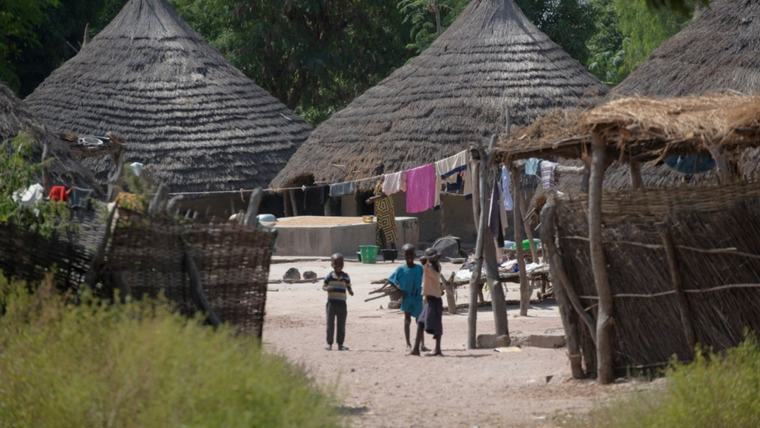
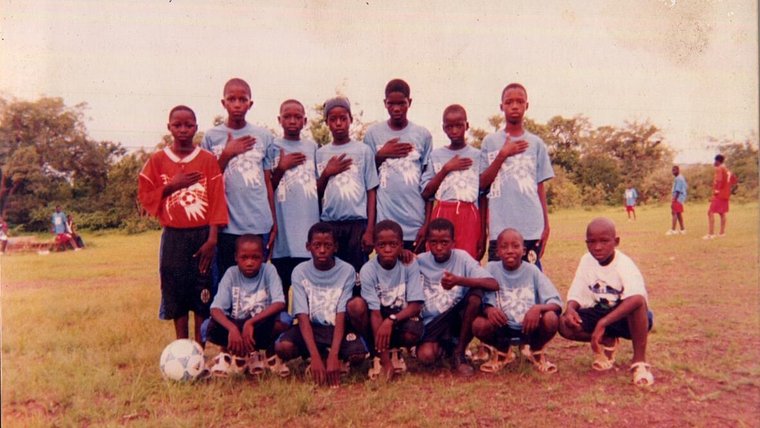
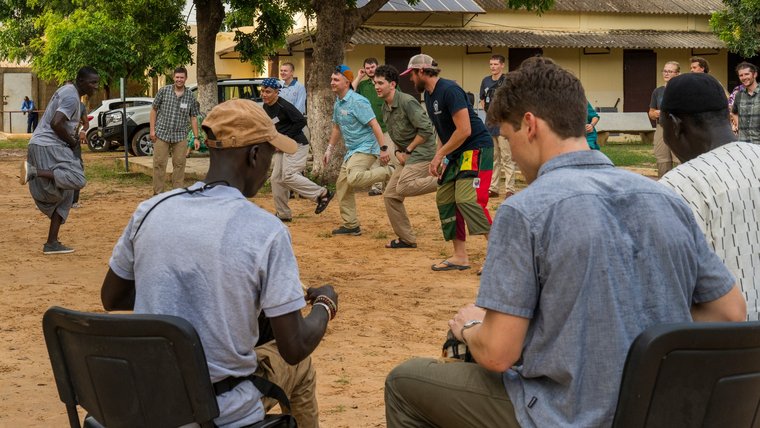
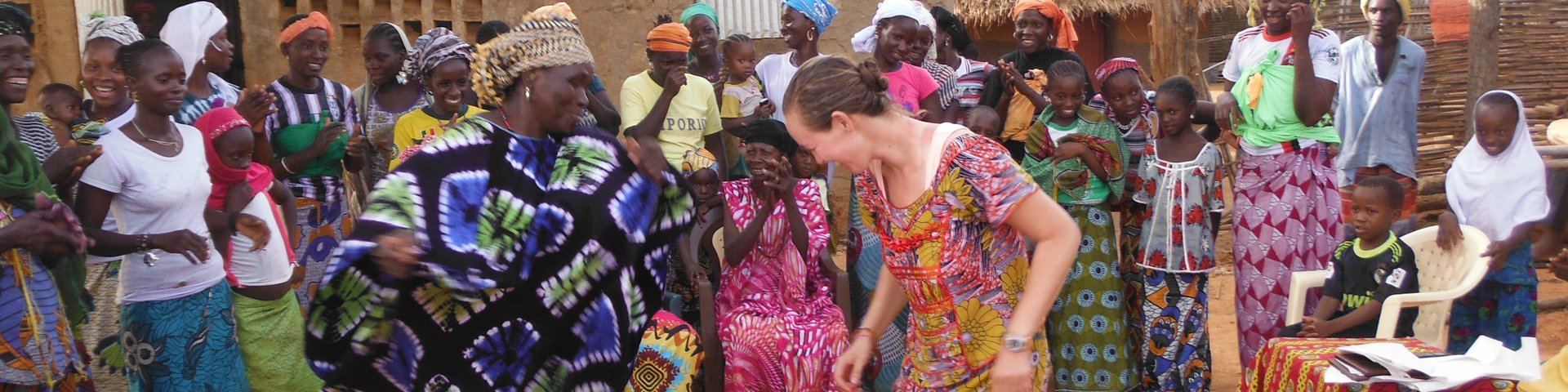
Photos from Senegal



How you and the community will make an impact together:
Facilitate workshops for health workers on effective planning, governance, and integrated health services delivery
Mentor health workers on soft skills to improve the provision of health services
Facilitate youth clubs focused on life skills development
Join home visits to promote healthy pregnancy and newborn health practices
Promote practices that keep children under 5 healthy at caregiver group meetings
You may also work on additional projects that meet the community’s interests and priorities, such as English clubs or school gardens.
All Volunteers live with host families, which creates a sense of belonging and supports integration. Many Volunteer homes do not have electricity and get their water from a community pump or well. Volunteers are assigned sites in the regions of Kolda, Diourbel, Louga, Saint Louis, Thies, Tambacounda, Fatick, Kaffrine, and Kaolack.
Learn more about the living conditions, including detailed information on culture, communications, housing, and health/crime statistics on our Senegal country page. You can also delve into stories about local communities by reading our blog or Volunteer stories.
Meet a Volunteer in Senegal
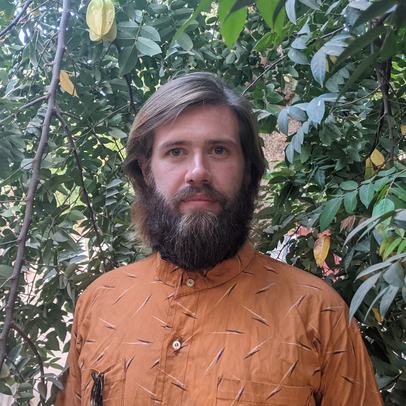
Spencer W.
Environmental Change Agent
"My strongest relationship within my community is with my host dad. As chief of the village, he is involved in most of my work projects, and as an elder is greatly involved in my learning regarding the history and perspectives of the community."
See full Volunteer profile
As a Community Health Extension Agent, you will be trained on how the Senegalese health system functions, malnutrition-associated diseases, health screening tools, and illness prevention strategies. Peace Corps/Senegal will teach you Wolof, Pulaar, Sereer, or Mandinka to help you comfortably live in and connect with the community.
After 10 weeks of training, you will move to a rural community where you will collaborate with health workers at local health centers. You will assess the local needs and develop solutions based on a process for participatory analysis.
Only heterosexual couples can be accepted for this program. Each person must apply separately and qualify for a position in a different sector than their partner. Cross-sector couples will live with different host families who may reside in different communities during training. Cross-sector couples may see each other for joint-sector training days or on the weekends but neither are guaranteed. Couples that serve in this country must be legally married to avoid conflicts that are not aligned with cultural and religious beliefs.
To learn more about serving as a couple in Senegal, visit the country page.
Application process
From application to departure takes around nine months. Learn about the application process for Volunteer opportunities.
Medical/legal clearance
You will need to be cleared medically and legally in order to serve in Senegal. Review information on medical clearance and legal clearance to learn about the process.