An official website of the United States government

Official websites use .gov
A
.gov website belongs to an official government
organization in the United States.

Secure .gov websites use HTTPS
A
lock (
) or https:// means you’ve safely connected to
the .gov website. Share sensitive information only on official,
secure websites.

Search
Connect with the Peace Corps
If you're ready for something bigger, we have a place where you belong.
Apply to the Peace Corps
The application process begins by selecting a service model and finding an open position.
Let us help you find the right position.
If you are flexible in where you serve for the two-year Peace Corps Volunteer program, our experts can match you with a position and country based on your experience and preferences.
Serve where you’re needed mostHealth Systems Advisor
 Agriculture
 Health
Job highlights
- Strengthen your French language skills as you design public health training materials.
- Become highly skilled and experienced in health education and promotion adapted to the West African context and cultures.
- Experience the warm, welcoming culture of Togo and become a valued part of the community.
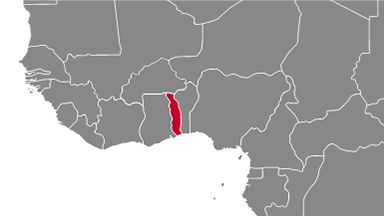
Togo • Africa
In partnership with: Adventist Development and Relief Agency (ADRA Togo)
Get answers live — every weekday at .
Apply by
November 15, 2026Know by
January 1, 2027Depart on
June 28, 2027Duration
12 monthsAbout the project
An organization in Togo is looking for public health professionals to support the development of trainings and communication materials.
Women in Togo continue to face significant socio-economic vulnerabilities, including a high rate of illiteracy and limited access to health care, resources, and information. To address these challenges, Adventist Development and Relief Agency (ADRA Togo) is implementing a three-year initiative aimed at improving the socio-economic well-being of rural communities. The project focuses on expanding access to health services, improving educational opportunities, and promoting sustainable livelihoods. Through skills training, income diversification, and better access to essential resources, the initiative aims to build long‑term resilience. Key program areas include food security, sustainable agriculture, environmental health, natural resource management, and the preservation of livelihoods—with health integrated as a cross‑cutting priority in all activities.
As a Health Systems Advisor, you work with ADRA staff to strengthen the organization’s capacity in quality program implementation. Together, you will develop educational resources and facilitate knowledge-sharing sessions. Your collaborative efforts will equip community members with the knowledge to adopt healthy behaviors and utilize health services appropriately, thus improving their overall wellbeing.
Learn more about what Volunteers do in country by visiting our Togo project page.
Required skills
Qualified candidates will have the following criteria:
Bachelor's degree in public health, community health, social sciences, or a related field.
AND
Two or more years of relevant work experience in public health, preferably in one of the following areas: maternal health, infant and child health, nutrition, malaria control, and the prevention and care for tuberculosis (TB) or HIV/AIDS.
Language: French
Required behavioral competencies
These competencies are essential for all service assignments and are assessed in the application and interview process:
Motivation for and commitment to service
Adaptability and open-mindedness
Problem solving and resourcefulness
Behavioral maturity and professionalism

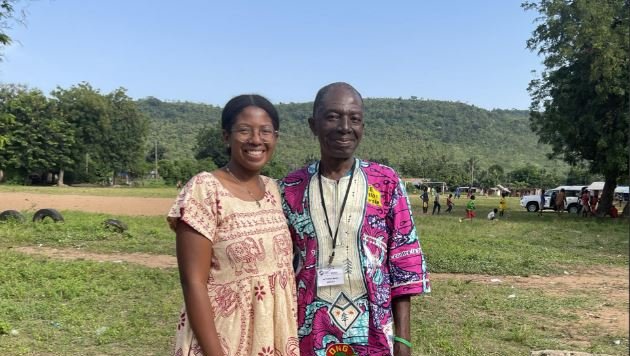
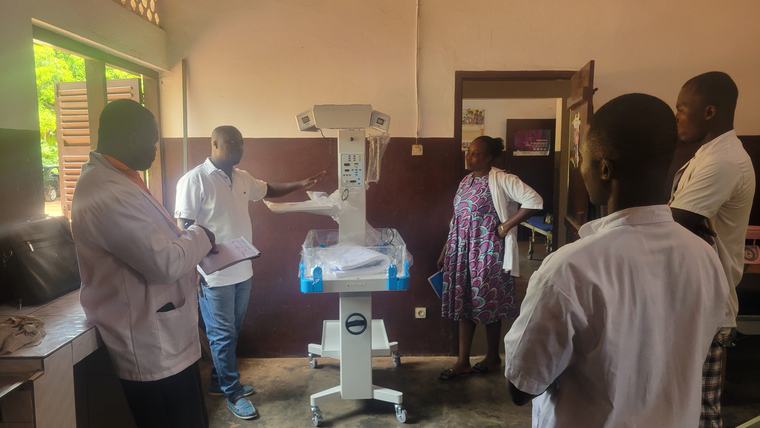
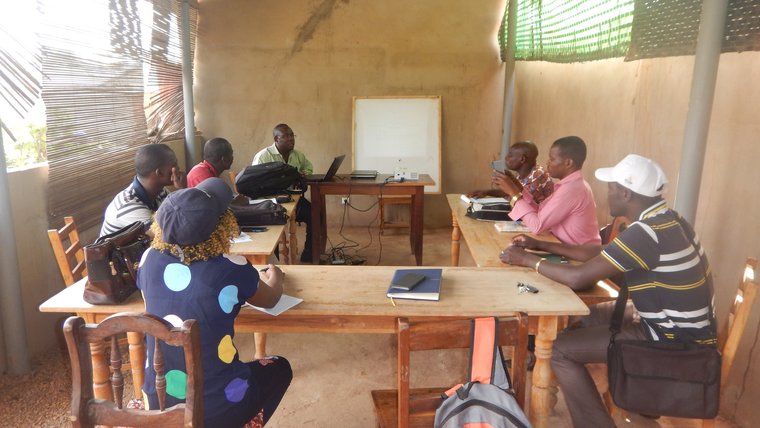
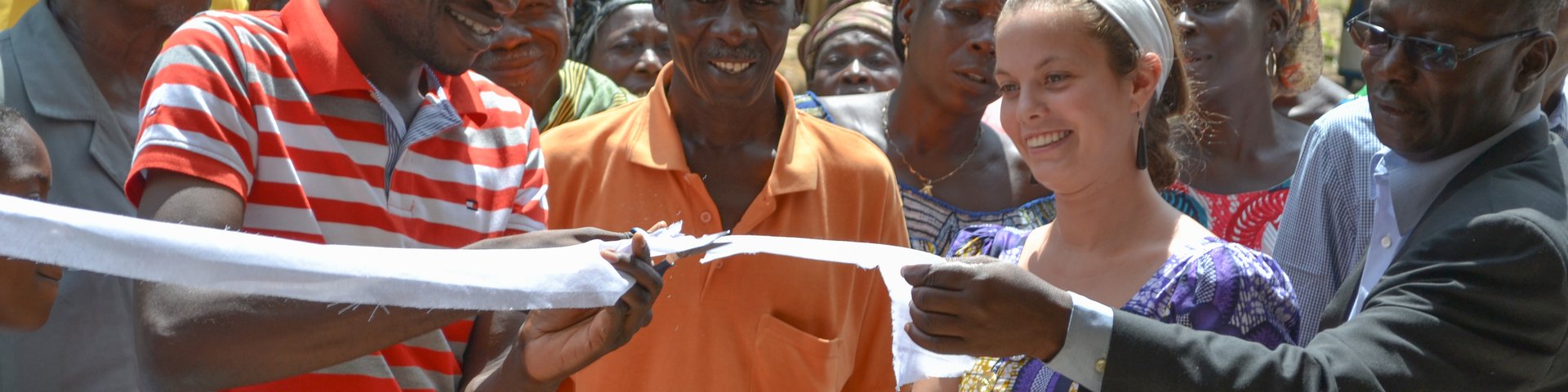
Photos from Togo



How you and the community will make an impact together:
Develop tailored educational and communication materials that promote the project to beneficiaries.
Develop or review existing training materials in water, sanitation and hygiene (WASH), sexually transmitted diseases (STI), HIV/AIDS, malaria, and other diseases.
Develop assessments to identify training needs for staff and targeted beneficiaries.
Design training plan and facilitate quarterly training workshops.
Facilitate field visits to assess the project’s implementation strategy and recommend adjustments if necessary.
You may also work on additional projects that meet the community’s interests and priorities, such as after-school English conversation clubs or environmental clean-up projects.
The Volunteer will spend the first few days of orientation in a hotel in the capital before moving to the training center that offers basic accommodations, including a private bathroom, electricity, and running water. After the orientation, the Volunteer will then settle in a major city in the Maritime Region where modest housing will be provided by the host organization. The donated house offers basic accommodation, including bedroom, living/cooking area, electricity, and private bathing room and toilet. In the Maritime Region French is the primary language used, followed by Ewe and Mina.
Learn more about the living conditions, including detailed information on culture, communications, housing, and health/crime statistics on our Togo country page. You can also delve into stories about local communities by reading our blog or Volunteer stories.
Meet a Volunteer in Togo

Kelcey F.
Sustainable Agriculture Volunteer
"Life doesn’t drag its feet. Don’t let fear or unknowns stop you. Trust in yourself and your capabilities. Open yourself up to a new and amazing experience. Life is for living."
See full Volunteer profile
After a two-week orientation on topics such as health and safety, you will move to an urban community where you will collaborate with ADRA staff to assess the needs and develop a work plan in line with their established goals.
Peace Corps/Togo will equip you with French, Ewe, and Mina language resources. You may work with a tutor who can help you build basic language skills to connect with the community.
Only heterosexual couples can be accepted for this program. Each person must apply separately and qualify for a position in the same sector as their partner. Couples will live together during training but may separate occasionally for field-based activities. Couples who are selected for the same sector will live together but work with different local partners which may be in the same community or in neighboring communities (not more than 30 minutes apart). Cohabitating couples are highly encouraged to present themselves as married throughout service due to cultural expectations.
To learn more about serving as a couple in Togo, visit the country page.
Application process
From application to departure takes around nine months. Learn about the application process for Volunteer opportunities.
Medical/legal clearance
You will need to be cleared medically and legally in order to serve in Togo. Review information on medical clearance and legal clearance to learn about the process.