An official website of the United States government

Official websites use .gov
A
.gov website belongs to an official government
organization in the United States.

Secure .gov websites use HTTPS
A
lock (
) or https:// means you’ve safely connected to
the .gov website. Share sensitive information only on official,
secure websites.

Search
Connect with the Peace Corps
If you're ready for something bigger, we have a place where you belong.
Apply to the Peace Corps
The application process begins by selecting a service model and finding an open position.

Let us help you find the right position.
If you are flexible in where you serve for the two-year Peace Corps Volunteer program, our experts can match you with a position and country based on your experience and preferences.
Serve where you’re needed mostGeospatial Information System Advisor
 Environment
Job highlights
- Apply your expertise in spatial data to support threatened native plants from Ecuador’s northern territory.
- Strengthen Spanish language skills through daily collaborations and interactions.
- Gain international experience in Ecuador’s Imbabura province situated in the northern Andes.
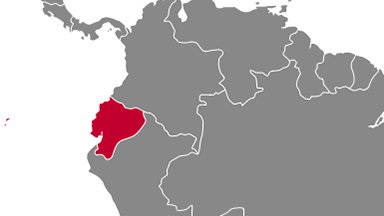
Ecuador • South America
In partnership with: Experimental Technology Research University Yachay Tech (Universidad de Investigación de Tecnología Experimental Yachay Tech)
Get answers live — every weekday at .
Apply by
November 15, 2026Know by
January 1, 2027Depart on
May 30, 2027Duration
12 monthsAbout the project
Looking for a meaningful opportunity to share your geospatial information system (GIS) skills? A botanical garden project in northern Ecuador is waiting for you!
Launched in 2014, the Yachay Botanical Garden (YBG) spans 150 hectares, including 110 hectares of inter-Andean dry forest, 35 hectares of arable valley, and 5 hectares under horticultural management with multiple thematic gardens. YBG also maintains a seed and pollen germplasm bank and has facilities for research, workshops, and events. The project has conserved close to 200 native dry forest species in situ and roughly 150 species off site. YBG recently geo-referenced more than 300 trees in one of its thematic gardens, but with only two dedicated staff members—one professor and one technician—the project lacks sufficient capacity for professional collection management and species monitoring.
As Geospatial Information System Advisor, you will share your experience to support Ecuador's ongoing efforts related to germplasm biobanking and living exhibitions of threatened native plants from the country's northern territory. Alongside the YBG team, you will develop a geodatabase with as many of the native plants as possible that captures each plant’s growth, phenology, and phytosanitary data.
Learn more about what Volunteers do in country by visiting our Ecuador project page.
Required skills
Qualified candidates will have the following criteria:
Bachelor's degree in environmental science, biology, forestry or a relevant field (e.g., computer engineering).
AND
Two or more years of training and experience using relevant data collection tools, such as geographic information systems (GIS), statistical software, and mapping applications.
Language: Spanish
A. Completed 4 years of high school Spanish coursework in the past 8 years
B. Completed college-level Elementary II Spanish semester (Elementary III in quarter system) within the past 6 years
C. Score between 50-62 on the Spanish College Level Examination Program (CLEP) exam in the past 6 years
D. Score Novice-High or Intermediate-Low on official American Council on the Teaching of Foreign Languages (ACTFL) Oral Proficiency Interview (OPI) in Spanish within the past 6 years
Required behavioral competencies
These competencies are essential for all service assignments and are assessed in the application and interview process:
Motivation for and commitment to service
Adaptability and open-mindedness
Problem solving and resourcefulness
Behavioral maturity and professionalism

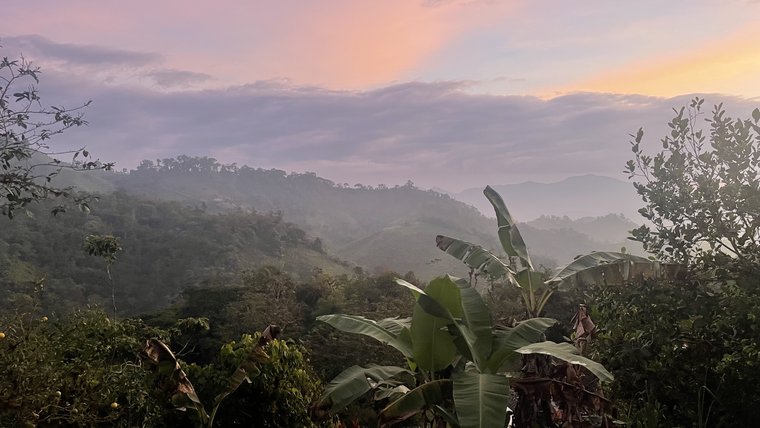
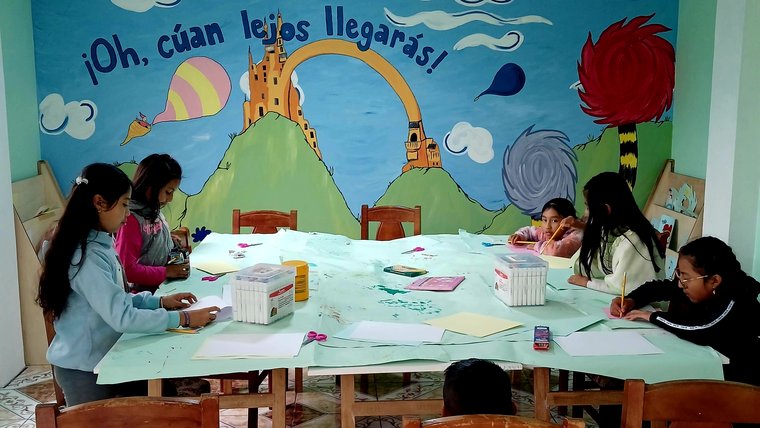
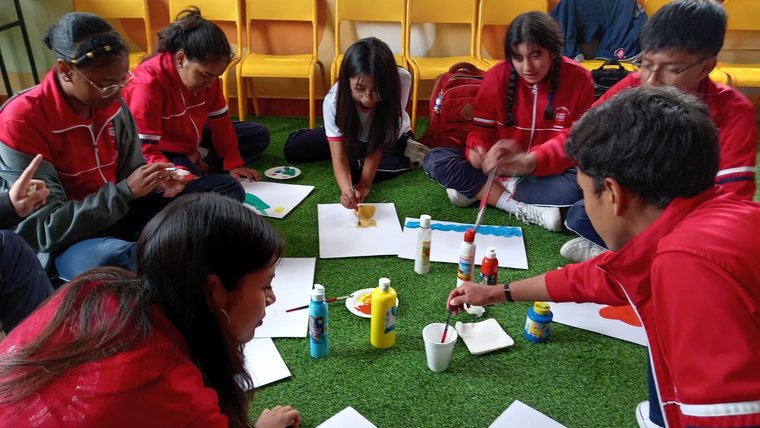
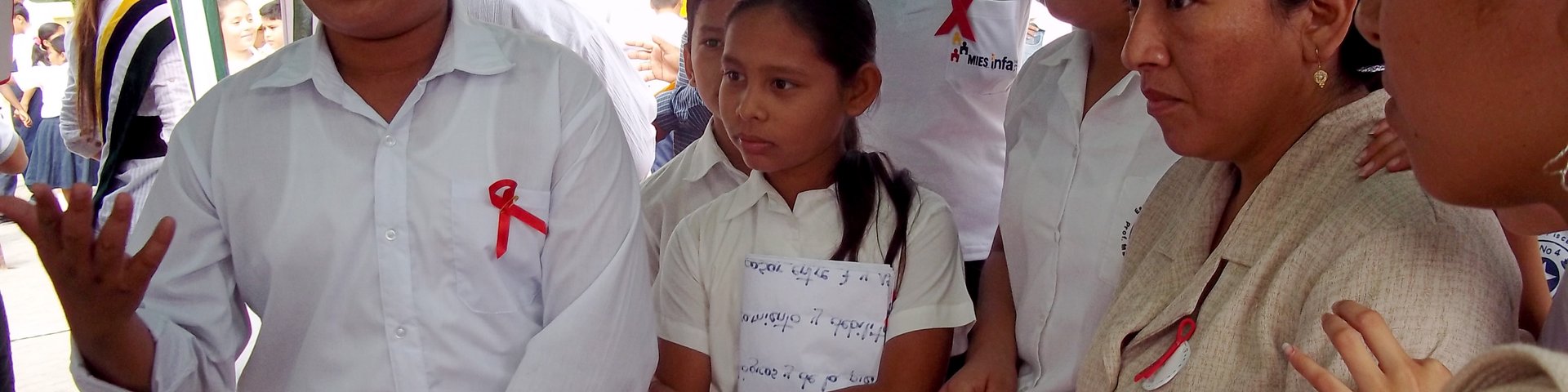
Photos from Ecuador



How you and the community will make an impact together:
Create a geo-referenced digital database of the plant specimens.
Monitor the growth, phenology, and phytosanitary status of the plant specimens, including the native vegetation present in the dry forest reserve.
Participate in field trips to collect new germplasm to be stored and/or exhibited.
Support the horticultural activities, which are customized to the focal plant specimens or collections.
Support public communication and outreach activities, including interpretive guiding and the use of social networks.
You may also work on additional projects that meet the community’s interests and priorities, such as an after-school environmental club or an introduction workshop on GIS at a nearby high school.
The Volunteer may live independently in a small studio available in the nearby town or on the university campus. The Volunteer will have access to a computer, high-speed internet, and landline phones when working in the lab. The Volunteer should anticipate traveling to nearby rural communities to conduct workshops and explore potential tourist routes. Transportation will typically involve walking within the campus or using local public buses and university transport.
Learn more about the living conditions, including detailed information on culture, communications, housing, and health/crime statistics on our Ecuador country page. You can also delve into stories about local communities by reading our blog or Volunteer stories.
Meet a Volunteer in Ecuador
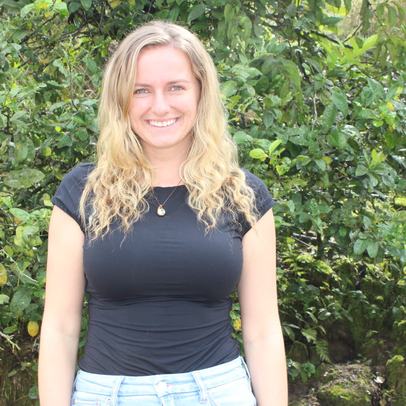
Ainsley S.
Community Health Volunteer
"Peace Corps service has given me a new and broader perspective on the world, and I think I will move through life with much greater intention and awareness. Living and working in Ecuador has shifted my perspective on time, relationships, and success."
See full Volunteer profile
After a 1-week orientation on topics such as health and safety, you will move to a town in the Imbabura province where you will collaborate with the university staff to assess needs and develop a work plan in line with their established goals.
Peace Corps/Ecuador will equip you with Spanish language resources and you may work with a local tutor who can help you build basic language skills to connect with the community.
No couples are accepted for this position.
Application process
From application to departure takes around nine months. Learn about the application process for Volunteer opportunities.
Medical/legal clearance
You will need to be cleared medically and legally in order to serve in Ecuador. Review information on medical clearance and legal clearance to learn about the process.