An official website of the United States government




An Ecuadorian community comes together to support English learning
When I arrived at my school, located in a northern city nestled in the Ecuadorian Andes, I quickly noticed the incredible potential of the students and the challenges they faced.
The school serves students from early childhood to high school, but resources for interactive English learning were limited. As an Education Volunteer, I wanted to create a space that would promote both English communication skills and personal development, while reinforcing the school’s institutional values of justice, solidarity, participation, and more.
The idea takes shape
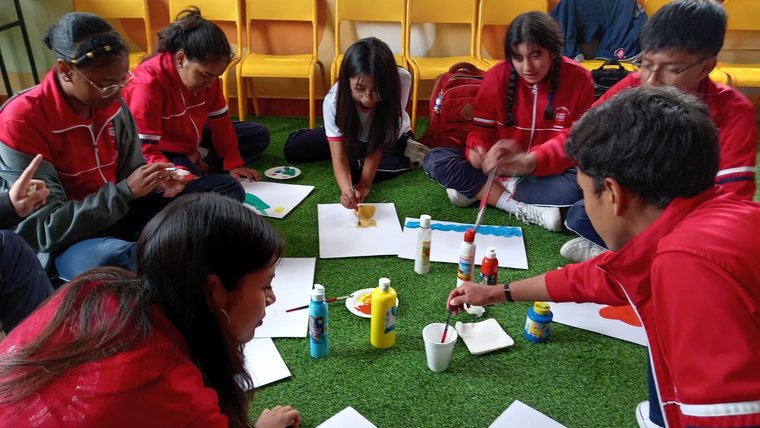
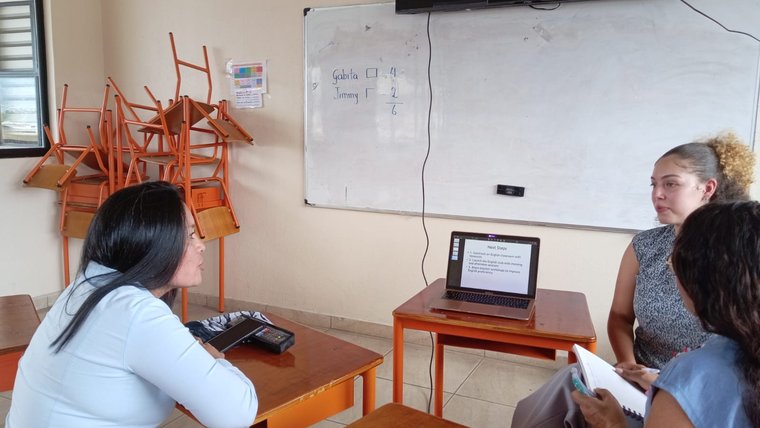
The idea of a resource center emerged during conversations with teachers. We asked, “What if there was a dedicated space where students could explore English through fun, experiential activities?” We envisioned a vibrant classroom where students could journal, collaborate, and engage in projects beyond traditional lessons. Teachers loved the idea, and soon, it became our shared mission.
From planning to action
From the initial discussion to project completion, this idea took nearly nine months to bring to life. The first step was securing funding through a Peace Corps grant. The grant process required detailed planning, strong community involvement, and donations, which was both challenging and rewarding.
At first, I felt a little nervous about relying on donations. It meant that the project’s success was not entirely in our hands. But I quickly realized that it offered a powerful opportunity to engage the community and invite others to take ownership. The generosity of donors reminded me that people truly believe in education and are willing to invest in students’ futures.
The best strategy for securing donations was spreading awareness about the project through storytelling. I shared the students’ goals, their challenges, and their dreams in a way that made the project feel personal. Instead of just asking for support, I painted a picture of how the resource center would directly transform students’ learning experiences. I also gave donors regular updates about our progress, which helped donors feel connected and confident about their contributions.
Building the resource center
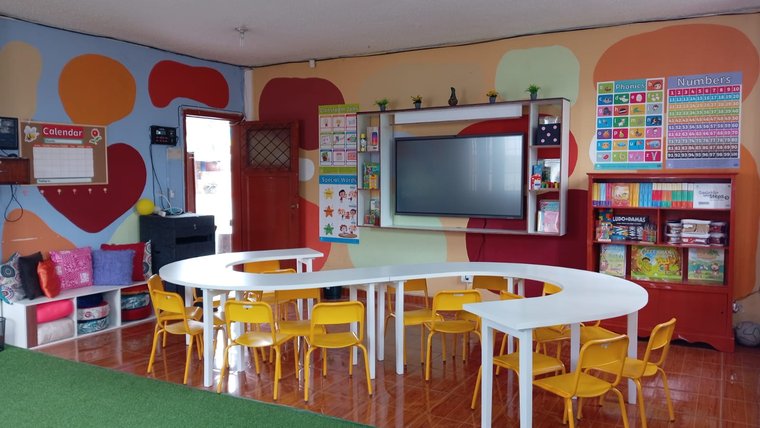
With the grant funds eventually approved, we transformed an unused classroom into a fully functional resource center. The school contributed essential items such as chairs, curtain rods, and stands, while the grant allowed us to purchase educational materials, craft supplies, books, and equipment to make the space dynamic and inviting.
The 18-week program
To bring the resource center to life, we launched an 18-week program for high school students. Each week, we explored different topics through interactive activities, group discussions, and English practice. The program ended with a school fair, where students proudly presented their personal growth through creative displays and oral presentations in English.
Impact and unexpected outcomes
Since opening, the resource center has become a hub for learning. Students now have a space to practice English, access new materials, and engage in education in a creative way.
One of the most unexpected outcomes was the high level of community involvement. Many community members not only participated but also donated resources to make the project successful. This sense of ownership has strengthened the school community. It was inspiring to see how a shared vision could unite so many supporters.
One student told me, “I never thought learning English could be this fun. I like that we can talk about real-life things too.” A teacher shared, “The resource center is now part of our teaching plan. It gives us the tools to make education more practical and engaging.”
The project also helped community partners develop important skills. We learned about grant writing and project design. Teachers strengthened their teamwork by planning sessions together and learning how to facilitate activities in the resource center. We learned how to prioritize, budget, and adapt when delays or shortages occurred. Teachers learned how to mobilize the community by engaging parents, students, and local partners, ensuring everyone felt involved.
Ultimately, the process wasn’t just about building a resource center; it was about building skills, confidence, and collaboration within the school community.
Looking ahead
The school has committed to maintaining the resource center and updating materials. Teachers have been trained to use the center effectively, and plans are in place to involve younger grades in similar activities.
My takeaways
This project taught me that community involvement is everything. When challenges arose—like material shortages—the community stepped up. I also learned that creating an engaging learning environment requires more than physical resources; it requires collaboration, creativity, and shared purpose.
While the resource center is just a room, its impact extends far beyond its walls. It represents a commitment to education, values, and the belief that students deserve opportunities to grow as individuals and leaders.