An official website of the United States government




Getting local in Ecuador
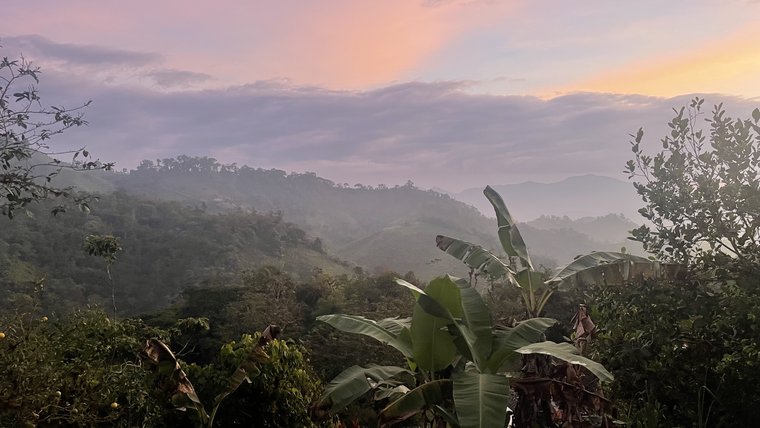
I never realized how diverse a place Ecuador is before I became a Peace Corps Volunteer.
If I drove an hour to a neighboring city in my home state, I’d likely encounter the same foods, comparable expressions, and a similar way of life. However, in Ecuador, it’s completely different. Each town has its own distinct flavor—not just in cuisine, but in culture, pace of life, and even language.
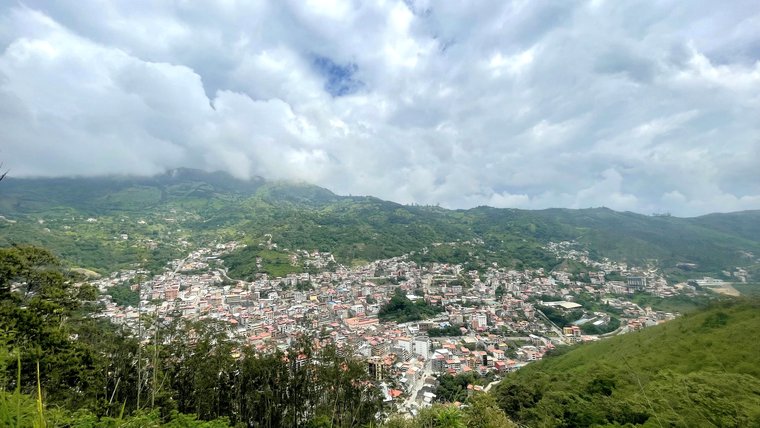
Before the Peace Corps, I had already been living and working near the capital, Quito, for nine months, so I thought I had a good handle on Ecuadorian culture. Then I received my site assignment: Piñas, a small town 12 hours away, in a province I had never heard of. What followed was a full reintroduction to Ecuador. I had to re-learn the customs, food, and expressions of a new area in the same country. Two years later, I feel proud to have called it home and honored to carry its culture with me wherever I go next.
So, without further ado, here are three things to know about Piñas that will instantly help you feel like a local.
1. Eat like a local
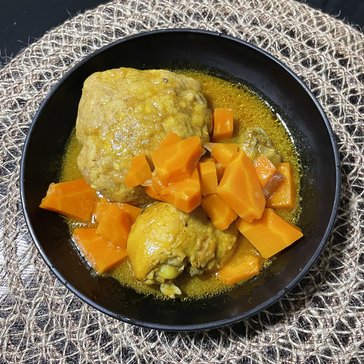
If you're eating breakfast with some Piñasienses and someone offers you molloco, say “yes.” Molloco is a dish made from boiled plantains mashed together with peanut butter paste, and often paired with a hot cup of café pasado and either a fried egg or seco de pollo. The doughy ball is perfect for sopping up a plate of chicken or a runny egg yolk, just as rice does in many countries. It was one of the few dishes I ate for breakfast, lunch, or dinner. It’s hearty and simple but always hits the spot.
What surprised me most was just how specific molloco is to my site. During a conference in the capital, I was telling local staff about this dish, and no one had ever heard of it before! I had to show them a photo just to prove I wasn’t making it up.
2. Talk like a local
At my site, the word bestia (“beast”) is used affectionately and frequently. You’ll hear “¡Qué bien bestia!” to describe anything that’s intense, exciting, or just really good. A waterfall that takes your breath away? ¡Qué bestia! A party that went till 3 a.m.? Bien bestia. That time I helped harvest cacao and ate so much I felt sick? Also, qué bestia.
Local expressions like this one gave me a window into the personality of the town—playful, sarcastic, and warm. I started using it as a joke, but before I knew it, I had fully adopted the slang. Now when I speak Spanish, using these phrases always feels like a connection to the community that taught me them.
3. Enjoy the quiet local vibe
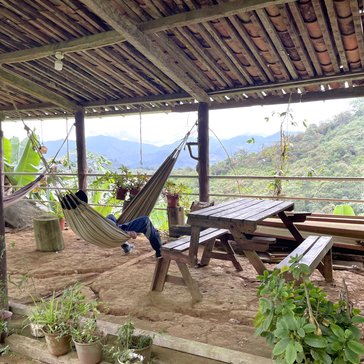
This is the most common question I get when I tell people from the city about my site: “But… what is there to do there?” The answer: “More than you’d think.”
Piñas sits between the ocean and the Andes mountains, giving it a unique geography and personality—it doesn’t fit neatly into any one of Ecuador’s four official regions. The town is surrounded by farms that grow everything from coffee to cacao. There’s not a lot of tourism, so local sites feel like hidden gems—waterfalls you can only reach by crossing someone’s ranch, or far away viewpoints that tower above the clouds, and allow you to see all the way down to the coast.
The pace of life here is slower, but there’s a quiet beauty in that. Whether it was spending an afternoon harvesting cacao or playing cards late into the night, I learned to appreciate the calm.
My two years in Piñas made me feel like I was a part of something special—something I never expected but now can’t imagine my Peace Corps experience without. So, if you ever find yourself in this part of southern Ecuador, remember try the molloco, say “¡qué bestia!” like you mean it, and don’t be surprised if there’s more to do than meets the eye.