An official website of the United States government

Official websites use .gov
A
.gov website belongs to an official government
organization in the United States.

Secure .gov websites use HTTPS
A
lock (
) or https:// means you’ve safely connected to
the .gov website. Share sensitive information only on official,
secure websites.

Search
Connect with the Peace Corps
If you're ready for something bigger, we have a place where you belong.
Apply to the Peace Corps
The application process begins by selecting a service model and finding an open position.
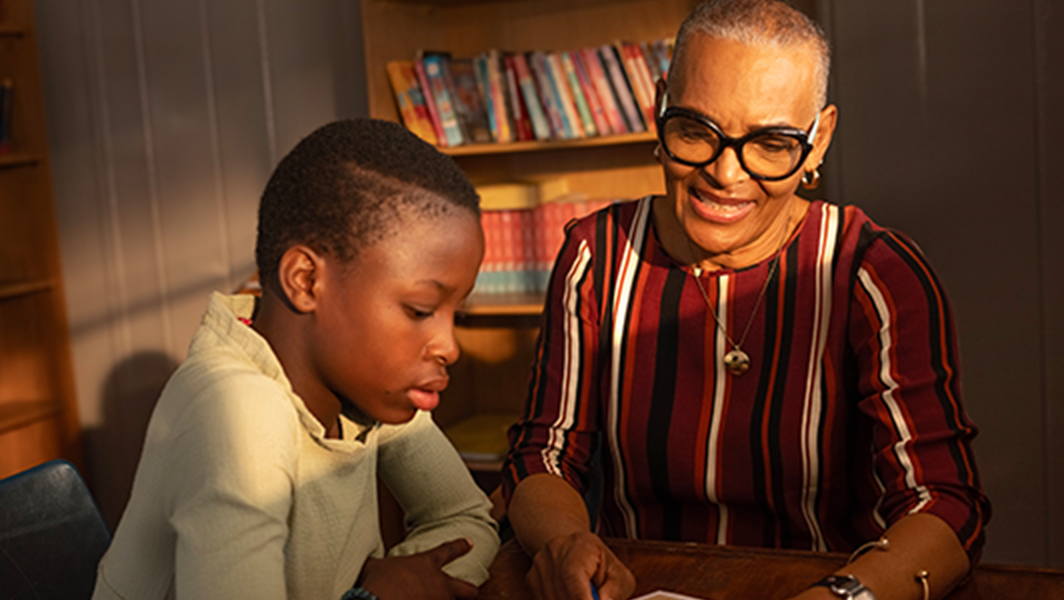
Let us help you find the right position.
If you are flexible in where you serve for the two-year Peace Corps Volunteer program, our experts can match you with a position and country based on your experience and preferences.
Serve where you’re needed mostMalaria Prevention Outreach Specialist
 Health
Job highlights
- Gain valuable experience supporting a global public health issue.
- Learn about the 42 official tribes that call Kenya home.
- Become a valued part of your host family and the community.
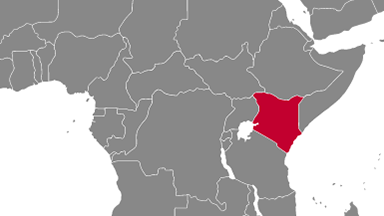
Applications are now closed. View current openings.
Apply by
January 15, 2026Know by
April 1, 2026Depart on
August 13, 2026Duration
12 monthsAbout the project
Occupational therapists, special education teachers, and speech therapists, your skills are needed to close the gap for Deaf students in Kenya.
The government of Kenya wishes to expand its Education for the Deaf (E4D) project into secondary schools for the Deaf, where students perform below average in math and science. This low performance is directly attributed to the teachers’ lack of Kenyan Sign Language (KSL) vocabulary for teaching math and science subjects, inadequate knowledge on strategies to teach abstract concepts, and resources that are not adapted for Deaf learners. The assessment methods used are meant for hearing learners, with little to no accommodation. Deaf learners also lack experiential learning opportunities.
As a Deaf Education Specialist, you will develop signs that can be used for math and science instruction. Along with local teachers, you will incorporate technology, art, and illustrations to help explain abstract scientific concepts.
Learn more about what Volunteers do in country by visiting our Kenya project page.
Required skills
Qualified candidates will have the following criteria:
Competitive candidates must meet all of the following criteria:
Bachelor of Arts/Bachelor of Science degree in Public Health, Community Health, Social Sciences, Health Promotion and Communication, or a related field
AND
2 or more years of experience in public health related to maternal health, infant and young child health, nutrition, and/or infectious diseases (e.g., malaria control, or TB/HIV)
Language: There are no pre-requisite language requirements for this position.
Required behavioral competencies
These competencies are essential for all service assignments and are assessed in the application and interview process:
Motivation for and commitment to service
Adaptability and open-mindedness
Problem solving and resourcefulness
Behavioral maturity and professionalism

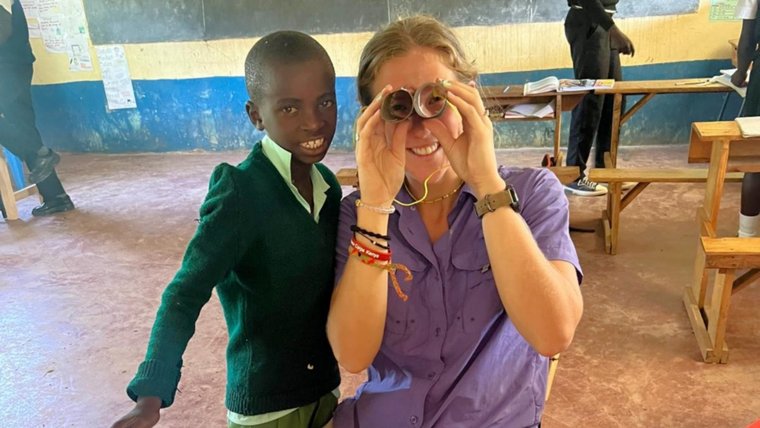
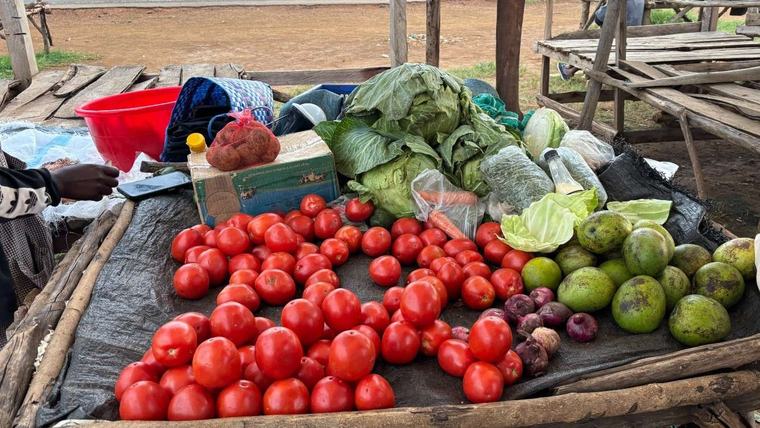
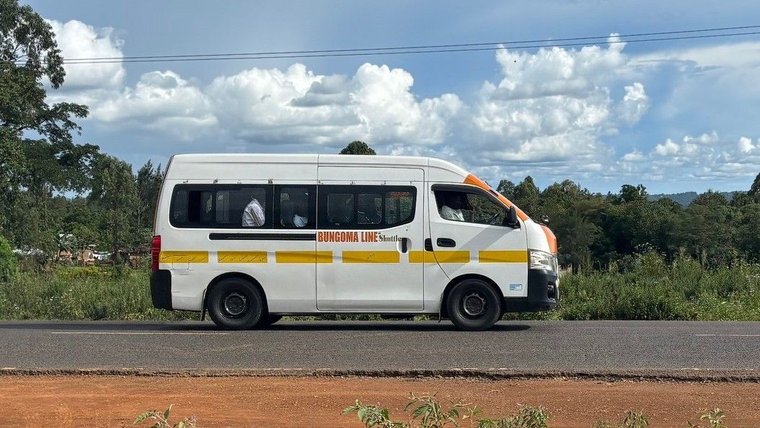
Photos from Kenya



How you and the community will make an impact together:
Develop and implement school-based health education programs that promote malaria prevention behaviors.
Encourage timely health-seeking behaviors and reduce barriers to malaria treatment access.
Collect and analyze data on the burden of malaria illness among the 4,000+ students and their families.
Assist community health promoters to strengthen malaria case management services.
Support participation in national and local malaria observance events, including World Malaria Day.
You may also work on additional projects that meet the community’s interests and priorities, such as youth clubs and workshops on healthy nutrition.
Volunteers will be placed in rural communities in Western Kenya. Housing is provided by the work partner and can be a private structure in a family compound, staff housing at the school, or a stand-alone house in the community.
Learn more about the living conditions, including detailed information on culture, communications, housing, and health/crime statistics on our Kenya country page. You can also delve into stories about local communities by reading our blog or Volunteer stories.
Meet a Volunteer in Kenya
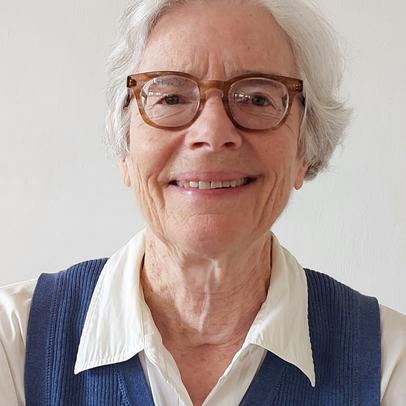
Marie H.
Secondary School Math Teacher
"When President Kennedy announced the formation of the Peace Corps in 1961, I was 11 years old. The idea of serving as a teacher overseas in a different culture appealed to me immediately, and now, after more than 60 years, my wish has been fulfilled."
See full Volunteer profile
After a 2-week orientation on topics such as health and safety, you will move to a rural community where you will collaborate with staff at a secondary school for the Deaf. You will work with the partner and your community to assess the local needs and develop a work plan in line with their established goals. Peace Corps/Kenya will equip you with Kenyan Sign Language resources and you may work with a local tutor who can help you build basic language skills to connect with the community.
Heterosexual and same-sex couples are accepted for this program. Each person must apply separately and must qualify for a position in either the same or a different sector than their partner. Couples will live together during training but may separate occasionally for field-based activities. Couples who are selected for the same sector will live together but work with different local partners which may be in the same community or in neighboring communities (not more than 30 minutes apart).
To learn more about serving as a couple in Kenya, visit the country page.
Application process
From application to departure takes around nine months. Learn about the application process for Volunteer opportunities.
Medical/legal clearance
You will need to be cleared medically and legally in order to serve in Kenya. Review information on medical clearance and legal clearance to learn about the process.