An official website of the United States government



Can I serve less than two years as a Peace Corps Volunteer?
We understand that for some Americans who dream of becoming a Peace Corps Volunteer, the 27-month commitment away from loved ones or financial obligations can feel overwhelming.
There are shorter service assignments through the Peace Corps that allow U.S. citizens to serve communities abroad and make an impact in less than two years.
Peace Corps Response
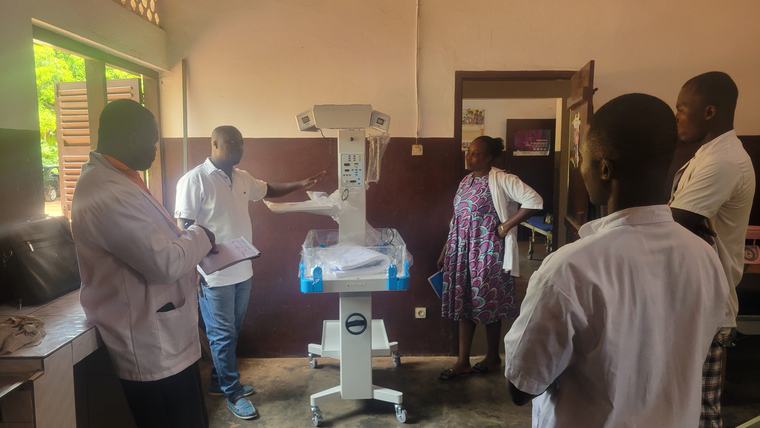
Since 1996, the Peace Corps has offered short-term Response assignments for skilled professionals—individuals with 2-5 years of relevant experience. For these assignments, Volunteers complete a concentrated, pre-service training for 1-2 weeks before starting their assignments which last six to 12 months.
“As someone in mid-career, I felt the Response program was better for me than the well-known two-year program, as Response seeks out Volunteers with more experience and is shorter term,” said Julia B.
Virtual Service Pilot
As a response to the global pandemic in 2020, the Peace Corps launched a third way to serve: the Virtual Service Pilot. This short-term, part-time option enables U.S. citizens at least 18 years old to collaborate online with partner organizations for 3–6 months. This is a great solution if domestic responsibilities are preventing you from applying to serve in person, or if you want to get a feel for what service is like before departing.
“I have an aging parent and cannot commit to being away for any significant length of time. In searching for shorter assignments, I came across the Virtual Service Pilot option. It is a privilege to contribute to the mission of an organization with so much history,” shared Radhika N.
Reasons to still consider serving two years
Leaving family and friends to serve overseas for an extended time is a commitment that shouldn’t be taken lightly. However, stepping out of your comfort zone to connect with people of a different culture leads to significant growth on a professional and personal level. Returned Volunteers have previously shared that it took several months, in some cases a year, before they felt like an integrated community member, which is why many decide to extend their service for a third year.
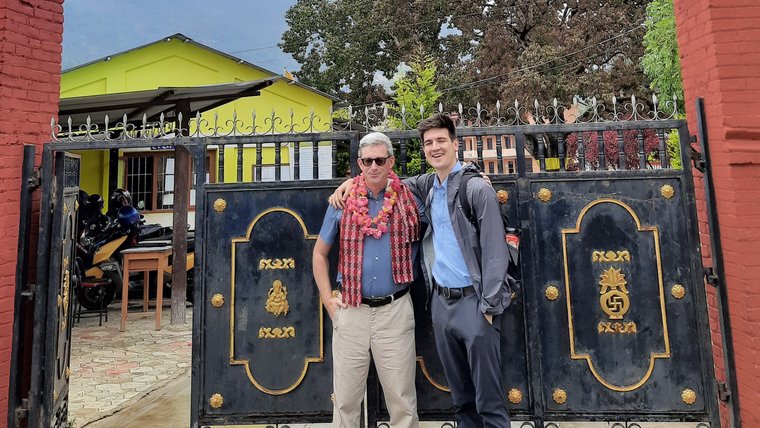
“I’m so engrossed in my work that I applied to be a member of the next cohort of Response Volunteers in Nepal and they’ve accepted me, so I’m grateful to look forward to extending this experience a whole year,” shared Jeff A.
Two years can sound like a long time, but that may change once you start working on your primary project.
“It’s incredible how fast time flies. That's one thing I kept hearing before embarking on this journey—two years is not a lot of time. Those words now ring especially true. It seems that the months pass by faster and faster as they tick toward close of service,” said Stefan B.
We hope these options make it easier for Americans to make the bold and life-changing decision to volunteer.