 An official website of the United States government


Featured Participant Profile
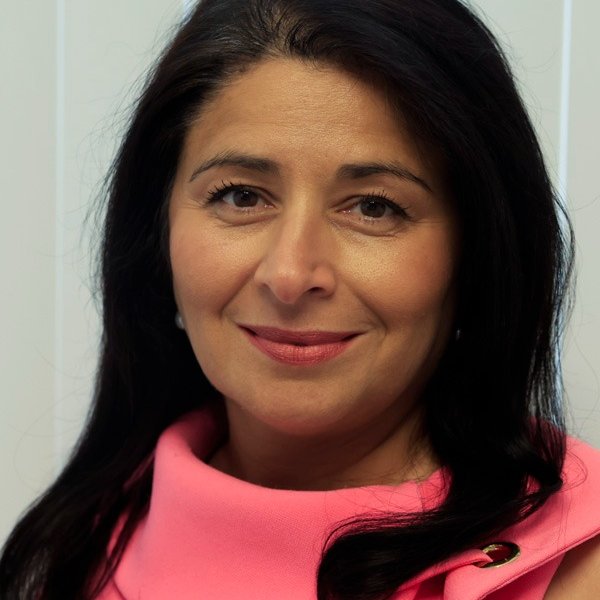
Radhika N.
“It is a privilege to contribute to the mission of an organization with so much history. I know that sounds a bit dorky, but that is the coolest part!”
1. What got you interested in the Peace Corps, specifically the Virtual Service Pilot?
My parents instilled the need for education as a path to success. They are both highly educated but had to work in menial jobs as immigrants from India. Thanks to their hard work and emphasis on education, I have had a successful career as a tax-certified public accountant and yet, I knew I wanted to do more. I find joy and inner peace in community service. This led me to start A Childhood for Children, a volunteer-based, grassroots nonprofit, with the mission to fulfill the basic needs of impoverished children with love, encouragement, education, and empowerment. With the NGO operations stable, I wanted to expand my community service.
I value the mission of the Peace Corps and have always wanted to volunteer with the agency, but it is very hard for me to commit to a two-year service because of my commitment to my NGO. I also have an aging parent and cannot commit to being away for any significant length of time. In searching for shorter assignments, I came across the Virtual Service Pilot option. I expressed interest immediately. After the pandemic, working remotely has become the norm ... it’s like the Peace Corps read my mind!
2. What projects are you working on?
I am assisting the ZIP Institute, an NGO in North Macedonia, with their fundraising strategy, specifically providing expertise on the complex U.S. tax rules faced by foreign organizations interested in requesting funds from U.S. donors and approaches to navigating those challenges. U.S. funding opportunities tend to be highly competitive, requiring extensive research, meticulous grant proposals, and compliance with specific regulatory and procedural requirements. Establishing and maintaining relationships with U.S.-based donors involves understanding the cultural and professional approaches to philanthropy, which can differ from local or regional funders.
ZIP Institute will use the funds raised to invest in programs that support marginalized communities, foster transparency, and encourage citizen participation in policymaking. These funds will also support capacity-strengthening activities, such as training for staff and volunteers, developing tools for evidence-based advocacy, and expanding their outreach efforts.
I also developed a workbook database to help the ZIP Institute, and possibly the next Virtual Service Pilot Participant (VSPP), continue our efforts.
3. What is a highlight of your VSP experience so far?
Being able to say that I am serving with the United States Peace Corps. It is a privilege to contribute to the mission of an organization with so much history. I know that sounds a bit dorky, but that is the coolest part!
When I met the ZIP Institute team, they already knew my name! That’s because there is a river in North Macedonia called Radika—a fact I knew from my visit to the country in 2011.
4. What strategies have you used to meet the challenges of a short-term, remote experience?
Communication is key because you are not physically with the team, and you may not see the results of your efforts. You may be meeting with the team remotely or you may meet with only one member of the team. The more you communicate, the more you can help yourself and the team.
For some people, time zones may be a challenge, but I didn’t have any issues because of my international tax career. The ZIP Institute team and I frequently communicate through a messaging platform.
I also have used my professional network for expertise on topics the organization is interested in, such as how an overseas organization raises funds from U.S. donors. This was a different area of tax law for me, so I was interested in doing the research, although it is best to let professionals handle the complexities.
5. What benefits are you gaining from your participation?
I am a certified public accountant with 23 years of experience in corporate and international tax. The nonprofit area of the law is unique, and while I had some experience with it for my own NGO, the specific details of a foreign NGO applying for grants from U.S. government agencies and private foundations was new to me. There is always something new to learn and the law is dynamic!
I am also learning a little about how the U.S. grants funds to foreign organizations. While this knowledge may not serve me in my day-to-day work with my NGO or tax consultancy assignments, I believe this awareness could prove helpful for future service opportunities with the Peace Corps.
6. How has your previous professional experience influenced your VSP experience?
I operate a small, non-profit in the U.S., so I understand how important it is to find funding. It is harder for smaller organizations to find funding because frequently their mission may not be clear, they may not have a clear, defined strategy, or they are unable to articulate their business plan.
For a foreign NGO, there are U.S. regulatory aspects they must consider. These regulations are extensive, complicated, and can be a lot for NGOs to navigate. With my tax background, I can navigate some of the complex jargon and summarize it for the country team members. I was able to share my experience obtaining a tax determination letter with the team at ZIP institute.
7. What will you bring away from your experience as a VSP Participant?
Flexibility and communication are key to participation. Initially, when I was assigned to the project, I was expecting to work with children. I learned that my skills were needed to develop a fundraising strategy, so I had to pivot. At first, ZIP Institute was interested in seeking out European grants, but then they pivoted to identifying U.S. grants, so I had to pivot.
Since grant deadlines can be condensed, quick communication with my ZIP counterpart was key. The ZIP team had to discuss the information I shared and decide if we should continue down a certain path or seek alternatives. This experience is like “building a plane as you’re flying it,” but you have to make it happen.



