 An official website of the United States government


Featured Volunteer Profile
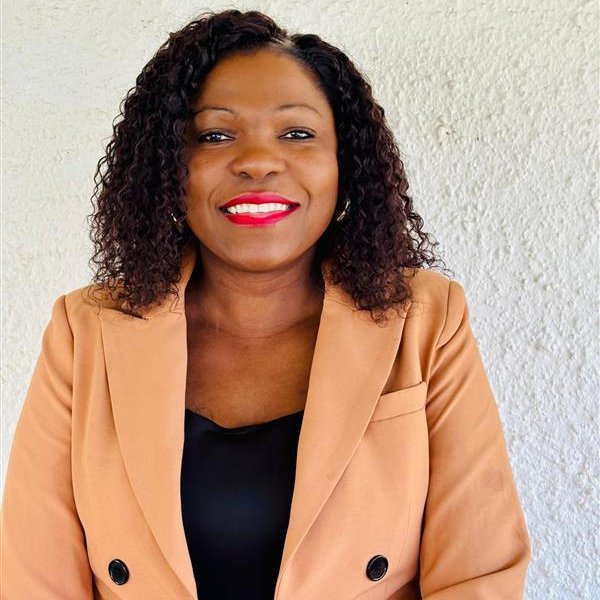
Winnie W.
“I was looking for ways in which I could use the skills that I have attained to make a difference in the continent where I was born.”
1. What got you interested in the Peace Corps, specifically the Response program?
I've always loved to make a difference. I was born in East Africa, so I saw the opportunity, and when that difference had to do with community economic development, I had to come in fast because I needed to make a difference. And I believe I have made that difference. I also wanted to use my skills and education, because I'm a Doctor of Business and Finance. I was looking for ways in which I could use the skills that I have attained to make a difference in the continent where I was born.
2. What projects are you working on with your community?
We are working on agriculture and entrepreneurship projects. I call it an incubation hub. We are currently applying for a Peace Corps small grant to enable the students to work on computers, learn skills and apply them. These skills include digital marketing and writing business plans, but the point of it all is for them to apply these skills.

3. How have you leveraged your previous professional experience in your service?
Where I'm working now, there was no entrepreneurship curriculum and we now have developed that. I have also trained the individual who is teaching the entrepreneurship curriculum as well as the students. When I came in, most of the curriculum was theory. They were learning theory, but now actually we are doing the practical work in entrepreneurship. We have also developed a curriculum for agriculture. There was no agriculture in the school. We now have a school garden because we wanted to make sure that the entrepreneurship is not only theoretical but applied. We teach agribusiness, whereby after the students have learned how to do the gardening, we teach them how to market their crops, how to balance their books, etc.
4. What is a highlight of your time in service so far?
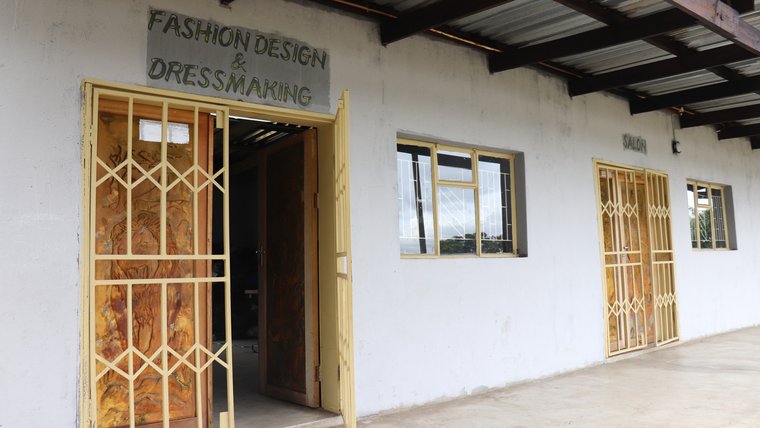
The highlight in my service is the student leaders. When I started serving, the technical school that I'm working with did not have student leadership. Now we have empowered a number of students through leadership classes, and they pass on what we are teaching them to the rest of the students.
5. What strategies have you used to meet the challenges of a Response Volunteer experience?
Mobilization. When we needed to paint the classroom, the main building, we did not have the money for labor. So we mobilized a team of students to do it. With our agriculture project, when we were setting up our garden and didn't have the tools, we worked with the community around to give us some of the tools that we needed to start.
6. How will the skills you are developing help you in the future?
Leadership and delegation. By empowering others, I have learned that the job gets done faster. I tend to be very self-sufficient so it’s important to train others, including students. This has opened my eyes to the fact that delegation is key to completing projects faster and it’s an alternative way to lead.



