 An official website of the United States government


Featured Volunteer Profile
Lisa C.
“Leadership through listening, intercultural communication, and humility are central to how I work with global suppliers, employees, and partners.”

1. What were your primary responsibilities during service?
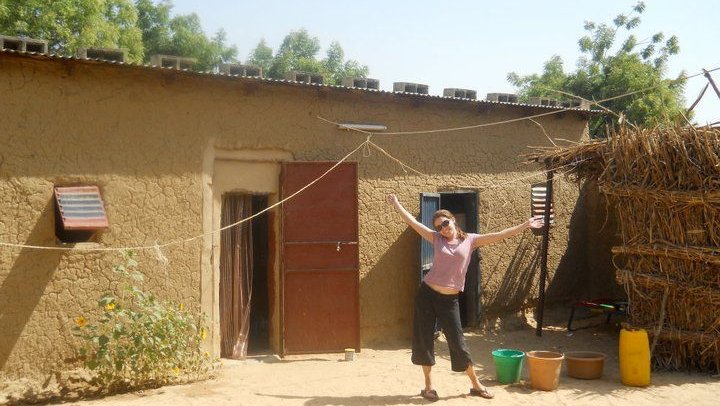
As a Municipal and Community Development Volunteer in Niger, my primary responsibility was to work alongside local leaders to strengthen community-driven development initiatives. However, I conducted a community needs assessment upon my arrival, and based on this assessment, decided to devote my time to the village health center and the local school. As I moved forward with my projects I spent significant time building trust, listening, and learning from community members. That relationship building was as important as any formal deliverable. Though I was only in Niger for 7 months before being evacuated, my service had a profound impact on me and has shaped my career immensely, leading me to start a business that sources its products from small growers and producers in Africa who use sustainable methods.
2. What projects did you collaborate on with your community?
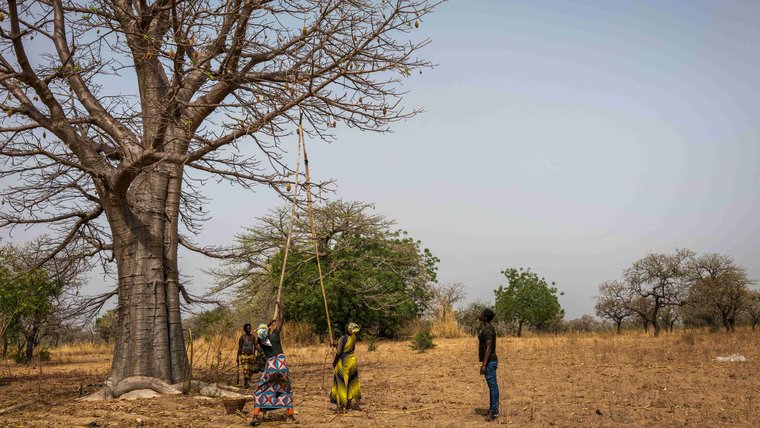
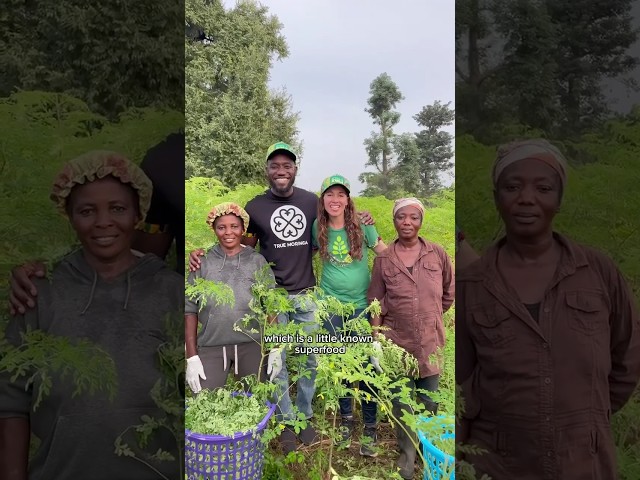
I collaborated with my community on projects focused on nutrition, food security, literacy, and local economic development. This included supporting women-led income-generating activities around growing, harvesting, and selling the nutrient-rich plant moringa. We worked together to design projects that were locally owned and culturally appropriate, rather than externally imposed. I learned to move at the pace of trust and consensus. Those collaborations shaped how I think about partnership to this day.
3. How did Peace Corps service influence your professional path?
Peace Corps fundamentally changed the trajectory of my life and career. My service in Niger exposed me to moringa as both a nutritional lifeline and an economic opportunity for women farmers. That experience planted the seed for founding my company Kuli Kuli Foods and pursuing social entrepreneurship rather than a traditional career path. Peace Corps gave me firsthand insight into how broken global food and economic systems affect communities. It also gave me the confidence to believe that one person can help catalyze systemic change.
4. How do you use skills honed during service in your current job?
I use Peace Corps skills every day as CEO of Kuli Kuli. Leadership through listening, intercultural communication, and humility are central to how I work with global suppliers, employees, and partners. Project management skills I developed in Niger help me navigate complexity and uncertainty. My experience adapting to limited resources trained me to be scrappy and resilient as an entrepreneur. Most importantly, Peace Corps taught me to build with communities, not for them.
5. How have you shared the value of Peace Corps service and communities abroad with people in the U.S.?
I regularly speak about my Peace Corps service in Niger at colleges, companies, nonprofit forums, and conferences, giving dozens of talks each year. In nearly every talk, I reference how Peace Corps shaped my worldview, leadership style, and commitment to partnership. Through my business, I also share stories of the farmers and communities behind our superfood ingredients, helping U.S. consumers connect their purchasing decisions to global impact. I mentor many current and Returned Peace Corps Volunteers who are exploring careers in social impact. I see storytelling as a form of service that continues long after Peace Corps ends.
6. What Peace Corps benefits have been useful to you?
The service award* helped me transition back to the U.S. and provided a small financial cushion at a critical moment. More valuable than any financial benefit, however, was the credibility and confidence Peace Corps gave me. Peace Corps opened doors to mentors, networks, and opportunities that supported my early entrepreneurial journey. The experience itself was the greatest benefit. It continues to pay dividends in how I lead and build.
*readjustment allowance
7. How have you remained involved with the Peace Corps community following service?
I stay connected with the Peace Corps community through relationships with fellow RPCVs and ongoing mentorship. I frequently engage with Peace Corps–affiliated organizations and events as a speaker and supporter. Many of my closest professional and personal relationships are with Returned Volunteers. I also actively encourage others to serve and to carry Peace Corps values into their careers. Peace Corps remains a core part of my identity.
8. What do you miss most about your host country?
I miss the deep sense of community and shared daily life in Niger. I miss the conversations, the humor, and the generosity of my host community. I especially miss the women I worked alongside, whose resilience and creativity continue to inspire me. Life felt slower but more connected. That perspective stays with me.
9. What’s your favorite phrase in the local language of your host country?
One of my favorite phrases in Hausa is “Sai hakuri,” which means “have patience.” It reflects a cultural value that shaped my experience in Niger. Learning patience helped me become a better listener and partner. It also taught me that meaningful change takes time. I carry that lesson with me every day.
10. What would you say to someone thinking about joining the Peace Corps?
I would tell them that Peace Corps will challenge them in ways no other experience can. It will test their assumptions, stretch their resilience, and expand their sense of what is possible. The impact may not always be immediate or visible, but it will be profound. Peace Corps is not about saving anyone, but about learning to work in true partnership. If you are open to being changed, it is one of the most meaningful decisions you can make.
Wy Lisa recommends the Peace Corps
"It teaches you resilience. It teaches you how to think creatively. It teaches you how to interact across cultures."



