 An official website of the United States government


Featured Volunteer Profile
Stephanie C.
“Immersive work in Belize has increased my empathy and understanding of global focus issues, affirming my strength as an advocate for social change, especially through the lens of disability work.”
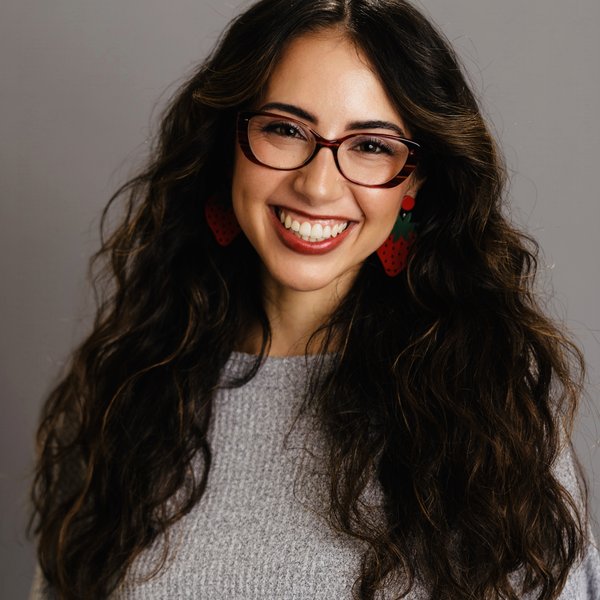
1. What got you interested in the Peace Corps, specifically the Response program?
After teaching in a structured classroom and working with children with disabilities and high support needs in a variety of settings, I yearned to learn more about what policies and practices looked like in another country and culture. As a proud daughter of Colombian and Mexican immigrants, I am committed to being a community-engaged advocate in education. My adventurous spirit coupled with my inquisitive nature led me to look at Peace Corps Volunteer positions in my field. The specific, short-term, and high impact aspects of the Response program resonated completely.
2. What projects are you working on with your community?
As a Special Education Support Specialist, I work with a team that screens preschool students to assess their needs. This allows for the development of appropriate accommodations, supports, and differentiated instruction. I work with teachers in the classroom as well as special education officers at the district level.
I focus on students ages 3- 16 with limited-to-no functional verbal communication, establishing systems and routines that support student learning across the district. I have been able to implement and model the use of visual supports, communication boards, individualized education plans, and behavior management systems. In collaboration with parents and special education officers, I am also grateful to take an active role in developing parent and staff trainings.
3. How have you leveraged your previous professional experience in your service?
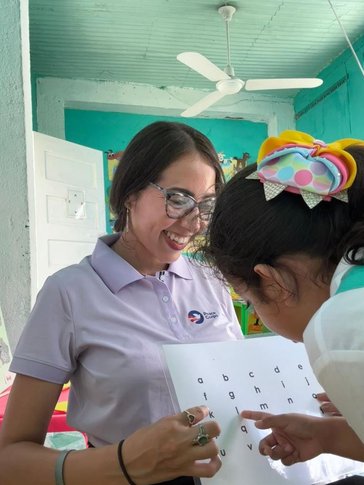
I brought my experiences and knowledge working with children with a range of disabilities, teachers, and families, as well as experiences from the heart. As a teacher of children with severe autism, intellectual disabilities, and other health impairments, I have an educational philosophy based on the idea that every child can learn with the appropriate support and individualized instruction.
In Belize, I have seen teacher mindsets shift and beliefs expand regarding what students with disabilities or high support needs are capable of. I have seen teachers acknowledge all their students in an inclusive way and meet the diverse needs of students in their classrooms through creative instruction design.
4. What is the highlight of your time in service so far?
The highlight of my service so far is getting to know the children of Belize. I enjoy being able to affirm their strengths, culture, and language inside the classroom and out. I treasure every hug, smile, vocalization, hand reach, and “Hi, Ms. Steph.” I enjoy connecting with teachers and families. Each day, I am reminded that I am serving as a change agent alongside and proudly with the beautiful people of Belize.
5. What strategies have you used to meet the challenges of a Response Volunteer experience?
In my role as a Response Volunteer, my ability to adapt to new and varied environments has allowed me to meet challenges with a problem-solving attitude.
Professionally, I ask questions when I do not know something at work or in the day-to-day environment, I remain curious without judgment when working with students and teachers, and I use my active listening skills in taking a collaborative approach in work projects.
Personally, I try new foods and experiences with enthusiasm, I make conversations with locals and take the time to know their names, and I exercise speaking in other languages whenever possible. Staying open and conscientious has allowed for the reciprocation of respect and the deepening of cultural understanding here in Belize. For example, I speak in a softer, more even-toned voice when speaking to parents regarding sensitive topics such as diagnosis or disability experience. This helps ensure that they feel safe, especially with someone who has not had the same lived experience or who was not born in Belize.
6. How will the skills you are developing help you in the future?
I am confident that the skills that I am developing in the Peace Corps will help me contribute to systemic change. I will continue to apply the skills I acquired in Belize interculturally in the future. Immersive work in Belize has increased my empathy and understanding of global focus issues, affirming my strength as an advocate for social change, especially through the lens of disability work. The opportunities to grow and demonstrate leadership skills as a Response Volunteer have been invaluable to me. I remain dedicated to asking questions while learning alongside children with disabilities, their families, and their teachers in my efforts to create a more equitable and just society for all. The ability to adapt is a superpower and the Peace Corps experience demonstrates that we as Volunteers have the power to create change positively and sustainably.
Want to learn more about serving in Belize? Connect with a recruiter today.



