 An official website of the United States government


Featured Volunteer Profile
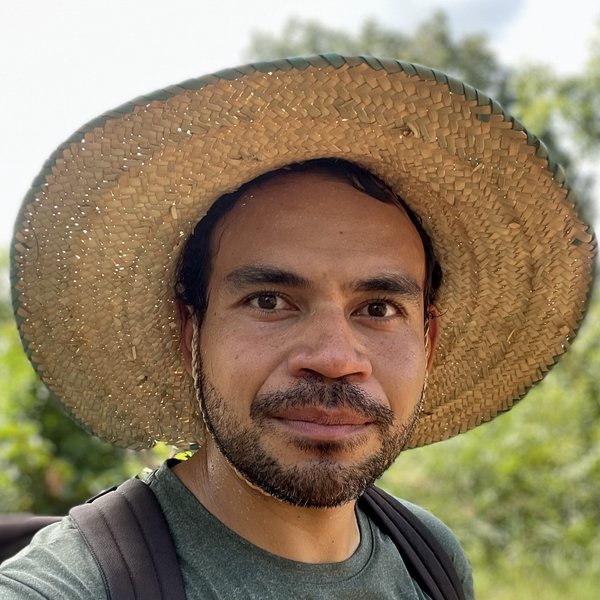
Sevi F.
“Lately, I have been sitting with my rabbits, listening to music with them, and in the mornings, I’ll have my cup of coffee in the chicken coop area. The animals have become my family members, so I always make sure I see them daily.”
1. What got you interested in the Peace Corps?
Growing up in Seattle, I was lucky to be exposed to cultures from all over the world. In this mosaic of diversity, I became curious about how culture, language, and social norms affected the way people think. Given this, I knew when I was young that I would want to work with the international community, and work to serve others. This call to service eventually led me to join the military because I wanted to give back to a nation that I love. It was the call of duty by people like President John F. Kennedy, when in his famous speech he stated, "Ask not what your country can do for you—ask what you can do for your country." That inspired me to join the Peace Corps and continue my service to this country.
The Peace Corps fits into that mold of cultural awareness and community service very well. The Peace Corps was first introduced to me by a high school teacher who had served in Peru. She was so enthusiastic about her experience and shared with us what made the Peace Corps so worthwhile. Through our discussions, she talked about her cultural integration and her ability to create real community impact. As a young person passionate about culture and helping others, I saw this as the perfect opportunity to be a part of something bigger than me. I knew from then on that I would become a Peace Corps Volunteer.
2. What projects are you working on?
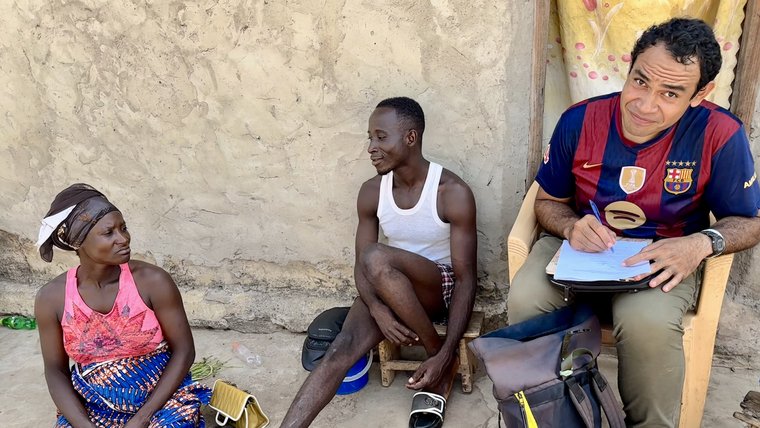
As a Volunteer in the Health sector, I do a lot of work at a clinic. We regularly do health campaigns, health talks, and home visits, which keep me occupied during the week. Additionally, the Peace Corps gives Volunteers a fantastic opportunity to learn beyond their sector. I have a few projects in my village that were requested by the community that have been highly successful, such as raising rabbits and chickens. These projects support my Health sector goals of promoting healthy diets, but the truth is that I love being around animals. Being with the chickens and rabbits is one of my favorite parts of the day. Animals have their own distinct personalities and attitudes, which I love to learn and understand.
I am also helping co-create positive murals throughout my village with images that inspire the mind and soul. With the help of artists in my community, we want to encourage the youth to further their education and become the best that they can be.
Lastly, I am in the process of creating a community center focused on computer education. Computers are rare in my village, but the community and I have identified the need to make a space where students can learn the basic functions of a computer and have a space to self-educate that is not school or their home.
3. What strategies have you used to integrate into your community?
When I first arrived in Togo, I remember experiencing a strong cultural shock. However, since then, I have found a way to carve out my own place in my community, and now I have successfully integrated. A strategy that works for me is to be positive and adaptable. The Peace Corps allows us to experience another country's culture, and our villages are also interested in learning about us and our culture. Being open-minded (within reason) and curious really helps with integration. I tell my family and friends back home that the ability to ask questions and not be afraid to make mistakes when speaking the local language is one of the best things I have learned from my Peace Corps experience. Communication is key! Communities love it when Volunteers try to speak their language, and understanding the local language greatly aids in integrating into the local community because language is a fundamental aspect of culture.
4. What is a highlight of your time in service so far?
A highlight of my time in the Peace Corps has been seeing my relationships with my community become stronger and feeling like I am a member of my village. When I first arrived in my village, many people had never interacted with a foreigner before, so there were a lot of growing pains in integrating. I had a different perspective on life than the community did, so finding that common ground was necessary. Currently, I feel more connected to my community. By attending football matches, eating local food from vendors, and working at my clinic, I have gained the trust of my community. It has been such a fantastic experience seeing my village embrace me as one of their own. I make a difference in their lives.
5. What have you enjoyed most about the community where you are serving?
In my community, I really enjoy riding my bike. I live on the side of a mountain ridge, so there are some stunning areas that I get to explore often. Also, I frequently visit a lake nearby to sit under the shade of a tree and take in the view of the mountains. Seeing this sight gets me motivated and reminds me of the greatness of nature and my village. Whenever I’m having a rough day, I always take time to ride my bike to this lake and reset. This place is not just a lake to me; it is my personal area where I can relax and reflect on my life.
6. What are some of the most important things you’ve learned from your community?
One of the most important things I have learned from my village is the importance of being present and getting to know the people around you. I think that’s what makes my time here so special. I’ve never experienced this sort of connection from my community back home in America. People go out of their way to help each other in a way that inspires me to be a change maker for a better world, to help people, like my village has helped me. My community has given me tools to be more effective in my relationships going forward, and to be more present with the people that I have in my life.
7. How do you spend time when not working on a project?
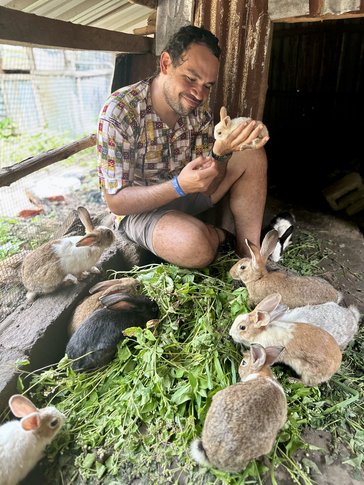
When I am not at work, I usually ride my bike to get some exercise, or I sit with community members and talk about life. My community appreciates it when I take the time to sit with them and chat for a little bit, and villagers see it as a sign of respect to acknowledge each other every day. Additionally, I tend to my animals, so I visit them every day to give them food. Lately, I have been sitting with my rabbits, listening to music with them, and in the mornings, I’ll have my cup of coffee in the chicken coop area. The animals have become my family members, so I always make sure I see them daily.
8. What are you looking forward to in your remaining time as a Volunteer?
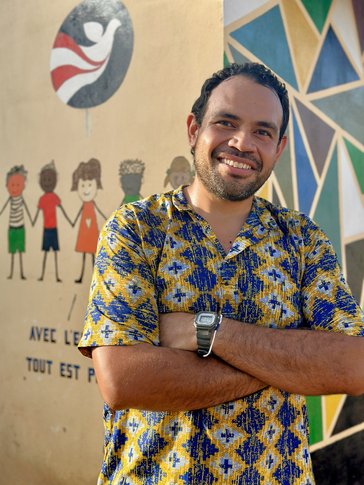
In my remaining time as a Volunteer, I plan to work with my community to put up murals around my village. I asked some artists to make drawings at my house, and now the whole town is interested in seeing the artwork around the village. For me, it's a pleasure to help put some artwork around the village because art inspires the mind, and it is beautiful to see local artists showcase their creativity. I am also interested in going to some local festivals in other areas of the country to experience how other Togolese ethnic groups celebrate their traditions.
9. Once you finish service, what will you do differently when you return to the U.S.?
After service, I always thought that I would go into something related to medicine or social work, but I have found a new passion in international development work. The Peace Corps has opened my eyes to new opportunities that I didn’t know existed. The beauty of a program like the Peace Corps is that it allows someone to live abroad and assimilate into a new culture, but it also provides a space to learn new skills and to try new things out. I enjoy learning about new cultures and finding ways to impact people's lives positively. With international development work, you can do that, and I can only thank the Peace Corps for that realization.
Learn more about serving as a Peace Corps Volunteer in Togo.



