 An official website of the United States government


Featured Volunteer Profile
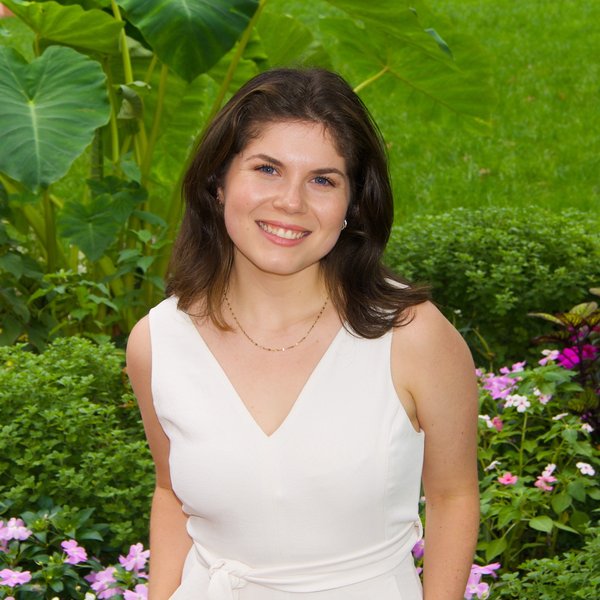
Sarah B.
“When my family visited Viet Nam during my first summer, the principal, vice principals, and every member of the English department came out to welcome them, sharing local delicacies, engaging in conversation, and hosting a big dinner in their honor.”
1. What got you interested in the Peace Corps?
I first became interested in the Peace Corps during the early months of the pandemic, when I attended a virtual recruitment session just as operations were being suspended. Even without Volunteers in the field at the time, I was drawn to the organization’s mission of global friendship, grassroots development, and intercultural learning. After graduation, I pursued a public service fellowship that deepened my interest in community-based work and affirmed my desire to be of service abroad. When I learned about the new post in Viet Nam, it immediately stood out. I had visited six years earlier while backpacking and was deeply moved by the country’s history, the warmth of the people, and, of course, the coffee and food. The post’s emphasis on relationship building and education also aligned closely with my values and strengths. Contributing to the early chapters of Peace Corps' presence in Viet Nam has been a meaningful opportunity to help lay a foundation of trust and connection, guided by humility and mutual exchange.
2. What projects are you working on?
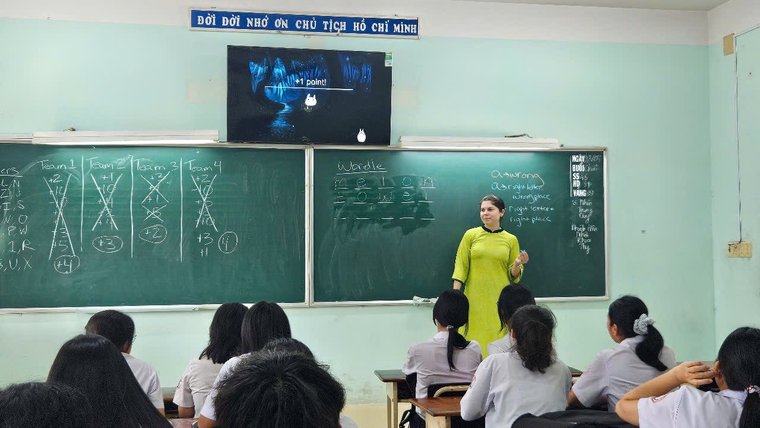
I co-teach English at a public high school just outside of Ho Chi Minh City, primarily working with 10th and 11th grade students. I collaborate with Vietnamese English teachers to deliver dynamic lessons that support language development and student engagement. From the start, I’ve prioritized building relationships with teachers, joining school events, and supporting both in and out of the classroom. Outside of school, I lead small community English classes for local children, using games, songs, and storytelling to build vocabulary and confidence. These informal classes have helped me connect more deeply with families and extend my service beyond the school. I've also participated in outreach opportunities, including the U.S.-Viet Nam Friendship Festival in Can Tho, where I helped lead English games and share information about Peace Corps. Relationship building has been at the heart of everything I do here.
3. What strategies have you used to integrate into your community?
I’m naturally an outgoing person, but language and cultural barriers can challenge even the most extroverted among us. From the start of my service, I made a conscious effort to stay engaged and visible in my community. I love strolling, running, doing yoga, and cycling, so I spend much of my free time moving around town on foot or by bike. Community members often invite me in for coffee, fruit, or a meal as I pass by. Some of my most significant moments have been sitting with neighbors for 15 minutes or sometimes hours, chatting, sharing photos, and finding unexpected connections. One time, I showed the restaurant owner next to my school a photo of me swimming with other Volunteers, and she insisted I go to the pool with her daughter that very weekend.
In Vietnamese culture, people often show care through food and small gifts. Being able to give and receive in that same spirit, whether it’s offering fruit after class or accepting a snack from a teacher, has helped me build stronger relationships. It’s a simple but meaningful way to show thoughtfulness and mutual respect.
I’ve also found that being consistently present helps build trust. Whether it’s attending student soccer games, sitting in the teachers’ lounge between classes, or going to grab smoothies with teachers after yoga class, I try to make myself approachable and available. Over time, these small acts of presence have helped me become a familiar and welcomed part of the wider community.
4. What is a highlight of your time in service so far?
It is hard to pick just one, but connections with students have been one of the most meaningful parts of my service. One highlight was supporting a student as she prepared for her visa interview to study English in the U.S. I watched her confidence grow, helped her practice answering questions, and still keep in touch with her today. Now, I teach her younger sister’s English class and continue to spend time with their family; I’m constantly surprised by how small interactions can lead to deeply rooted bonds.
Another highlight of my service was the honor of being a bridesmaid in another teacher’s wedding and participating in bưng quả (gift exchange). At an important moment in the wedding, I had to receive a gift on behalf of the bride from a groomsman with strong, steady arms. I learned that the way the gift is received reflects the future strength of the marriage, but you’re not told how heavy the gift will be, which adds an element of surprise and symbolism.
Outside school, I’ve enjoyed connecting with other Volunteers in Ho Chi Minh City. One special memory was attending the April 30th parade in the city to celebrate the 50th anniversary of Viet Nam’s reunification. Being present for such a significant national event alongside my peers was a powerful reminder of the depth of history and resilience in the communities we serve.
5. What have you enjoyed most about the community where you are serving?
What I’ve enjoyed most about my community in Viet Nam is the warm, welcoming spirit and the deep appreciation for celebration. Every birthday I’ve had here has been met with cakes, gifts, and kind words from the different community groups I’m part of, whether it’s my English club, yoga group, or the children’s class I teach. Big events and milestones are always marked with joyful gatherings that make even ordinary moments feel special. When my family visited Viet Nam during my first summer, the principal, vice principals, and every member of the English department came out to welcome them, sharing local delicacies, engaging in conversation, and hosting a big dinner in their honor. These moments of generosity and celebration have made me feel truly at home.
6. What are some of the most important things you’ve learned from your community?
In the Vietnamese language, there are so many different pronouns used to address someone, depending on age, profession, family relation, and social context. When I first started learning the language, these shifting pronouns felt overwhelming, but they also revealed something deeper: everything is relational, and relationships are everything. It’s not just “me” and “you.” The way I refer to myself and others reflects who we are to one another, and as you speak, you’re constantly thinking not just about the words, but about the relationship behind them. On the surface, it’s a grammar point, but it also feels like a profound way of moving through the world, one that asks you to stay present with the people around you.
This relational way of living is something my community here reflects daily. I’ll never forget my first day at school; I was nervous, trying hard not to draw attention to myself or make anyone worry. As I walked with my counterpart, she noticed I was limping slightly. I casually mentioned that I had blisters from my shoes and hadn’t packed enough socks for Viet Nam. I didn’t think much of it, but later that day, she showed up with a small bag: new socks and band aids. That simple moment of care reminded me how powerful it is to really see and listen to each other. How, when we pay attention, opportunities for connection and kindness are everywhere.
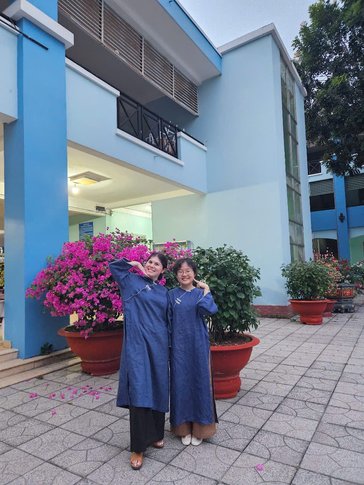
7. How do you spend time when not working on a project?
In my free time, I love going to coffee shops with other Volunteers or grabbing a meal and catching up with teachers at my school. There’s something about swapping stories over cà phê sữa đá (iced milk coffee) that makes the day just that much sweeter. I also enjoy watching soccer and volleyball, especially when my students are on the court. Cheering them on during competitions has become one of my favorite ways to spend an afternoon.
My go-to way to decompress is heading out for a bike ride or a run through the rice paddies around my town. The landscape is peaceful and open, and I often find myself stopping to chat with neighbors or accepting a cup of tea along the way. On weekends, I’ll sometimes head into Ho Chi Minh City to join a local run club. It’s been a fun way to meet new people, both locals and expats, and feel part of something bigger than myself. I’m running a 10k next month with friends I met through the club, and I’m currently training for a half-marathon in Ha Noi to wrap up my service.
8. What are you looking forward to in your remaining time as a Volunteer?
There are still a few adventures I’m excited to check off, like visiting another teacher’s hometown, going camping with my Vietnamese tutor, and, of course, making one last visit to my favorite hủ tiếu spot. I’m also excited to continue watching my students grow, especially those in the English club and the kids I tutor in the community. Seeing their confidence build has been one of the most rewarding parts of my experience. I’m looking forward to celebrating birthdays and milestones with my fellow teachers, especially my yoga group, which has become one of my favorite sources of connection. Whether it’s a lesson, a hike, or a shared meal, I want to soak in every last moment with the people and places that have made this experience so special.
9. Once you finish service, what will you do differently when you return to the U.S.?
I don’t want my connection to Viet Nam to end when my service does. It’s a relationship I will carry with me. I plan to keep practicing the language through online classes, language exchange partners, or chatting with Vietnamese communities back home. Staying in touch with friends from Viet Nam is a top priority, and I definitely hope to return for a visit soon (or two ... or more!). Beyond that, I’d love to share what I’ve learned, whether that means volunteering with Vietnamese immigrant communities, promoting intercultural exchange, or just introducing others to the incredible food, traditions, and perspectives I’ve been lucky to experience here.
Learn more about serving as a Peace Corps Volunteer in Viet Nam.



