 An official website of the United States government


Featured Volunteer Profile
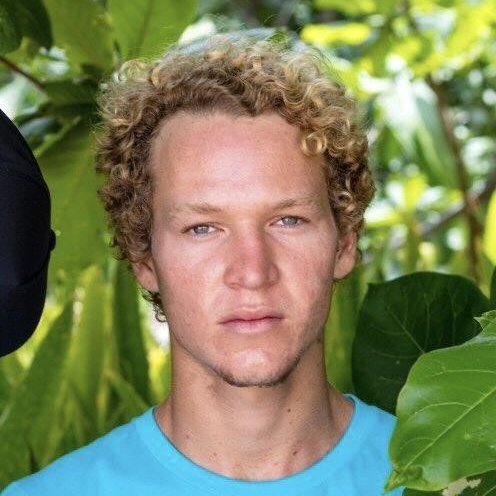
Manuel D.
“The ability to be self-directed and stay on top of things even when there are no deadlines is one of the best skills Peace Corps service can teach you.”
1. What were your primary responsibilities during service?
My primary responsibilities during service were to increase knowledge and awareness of community members, including youth, of environmental issues and strengthen their involvement in addressing environmental change. Increase the adoption of solid waste management practices by community members and increase the adoption of practices by community members that lead to an increased number of trees. I was also involved in cultural exchange between the people of Panama and the United States helping broaden people's views of other nations and their ways of life.
2. What projects did you collaborate on with your community?
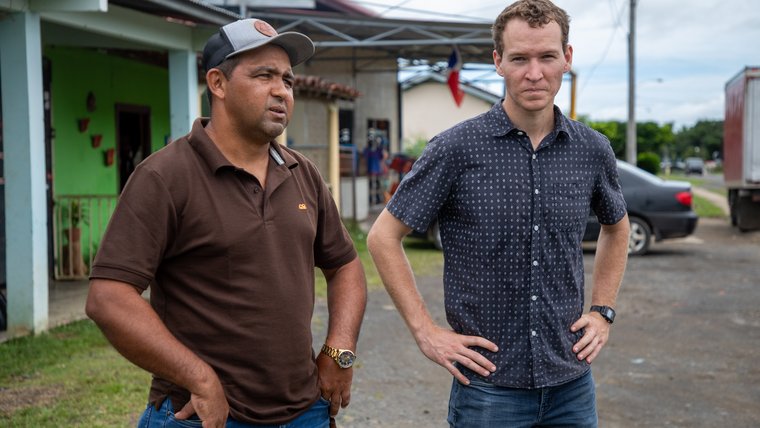
During my two-year service in Panama I was in a small town located in the Azuero Peninsula, an area mainly used for cattle ranching. The main environmental needs identified by the community were reforestation, waste management, and youth environmental education. I am very grateful to have had the support from town leaders and the local government in addressing these needs. Together we were able to create a local nonprofit organization allied with the Panamanian Ministry of Environment. This allowed the group to obtain funds for their environmental projects from government and private organizations.
The nonprofit currently runs a small tree nursery that we designed together. Having previously worked in tree nurseries I was able to share best practices for planting, marketing, and selling trees. To date, the nursery has produced over 1500 trees and took in revenue three times the initial investment. The income covers upkeep and local projects like the installation of public trash cans to decrease littering.
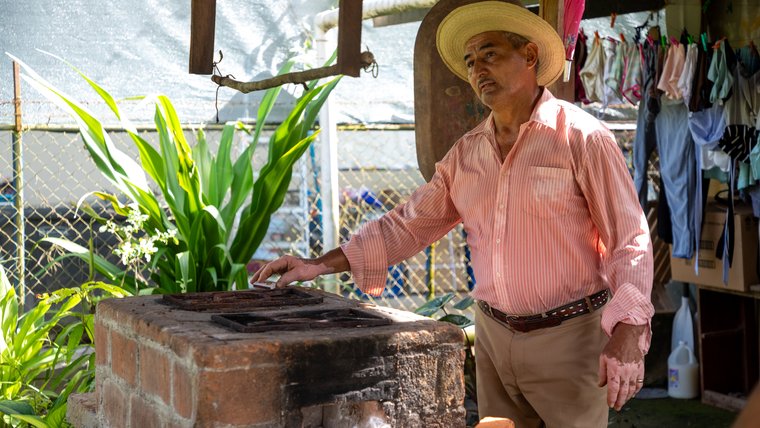
Alongside the group I also built over 45 wood-burning eco-stoves that rely on less wood and produce less smoke than the usual cooking methods in this area.
When I wasn't working with the nonprofit I co-taught science and math to more than 50 kids at the local school. I also organized field trips to wildlife refuges so my students could see firsthand the beauty and importance of local natural areas. I also served as the representative for the volunteer seed bank, a program designed to help local volunteers increase biodiversity and food security in their communities through the exchange and storage of seeds.
3. How did Peace Corps service influence your professional path?
I have always wanted to leave the world in a better state than it was when I arrived. Finding the ways in which I can create a better world is what gives purpose to my life. I was 23 when I joined the Peace Corps and I was more focused on wildlife biology at the time. After serving in a mostly agricultural area my focus shifted to somewhere between agriculture and conservation. A significant amount of the ecological problems we are facing in the 21st century are a product of agricultural practices. I would like to be a part of the solution to these problems. I'm about to start a master’s program in agronomy this fall and have no doubt my service influenced this decision.
4. How do you use skills honed during service in your current job?
The ability to be self-directed and stay on top of things even when there are no deadlines is one of the best skills Peace Corps service can teach you. The confidence you gain in seeing how you can bring ideas to life and help those around you in doing so is priceless. Eric Fromm said that humans find unity with the world through the task of creating. My Peace Corps service was two years in which I was free to create and feel united with the world. I employ this creativity, confidence and self-directedness in my master’s program in agroforestry, from the way I design my experiments to the way I interact with my professors and mentors.
I have always been in leadership roles, and during my service I was able to expand on this skill—especially my ability to inspire people and create momentum in projects. I believe my ability to work hard and endure hardships is one of my biggest strengths. I strongly believe that an individual will never be alone if he or she can offer help. This insight has taken me very far in my career and personal life.
5. How have you helped those at home understand the value of Peace Corps service and communities abroad?
I think the value of the Peace Corps is eye-opening for the average American. As a Returned Peace Corps Volunteer (RPCV) you are a reflection of the community you served in. Every story you tell about your service allows others to have a glimpse of a place and a way of life they may never know firsthand. I like to think that when I tell people about my projects it inspires them to use their talents to help others and to create a better world. I don't think the Peace Corps is for everyone but if you are drawn to it I encourage you to take the leap.
6. How have you remained involved with the Peace Corps community following service?
I keep in touch with a handful of RPCVs from my cohort. Our Whatsapp group chat is quite active and it makes me very happy to see my friends succeed after completing service. Some of my best memories from service were made alongside them. Hopefully I will see them all at one of my best friend’s weddings in October. I still write to my counterparts every week, even if it's just to say hello and check in. They also reach out to me often for my opinion on projects.
7. What tips do you have for Volunteers just returning from their service?
“The only way to make sense of change is to plunge into it, move with it, and join the dance.” -Alan Watts
Learn more about serving as a Peace Corps Volunteer in Panama.



