 An official website of the United States government




Featured Volunteer Profile
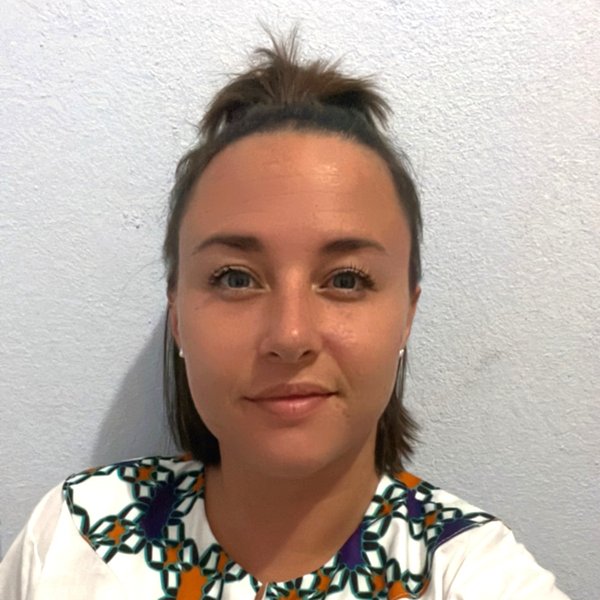
Jessica H.
“The highlight of my service has been the positive impact I’ve had on students at my school and other kids in my community. We have built a level of respect and trust that means so much to me!”
1. What got you interested in the Peace Corps?
While I was volunteering at my local library in college, a Returned Volunteer approached me and asked what I planned to do in the future. After getting to know me, she said she thought Peace Corps would be the right path for me. When I showed interest, she connected me with RPCVs in my community in the States. I researched and read the requirements for applying and then understood how they aligned with my life experience, education and training. As I went through the application process, I had a vision of what my service would look like, and it has far exceeded my expectations.
2. What projects are you working on?
With my local counterparts, we have founded an NGO Epworth Redemption iNitiative (ERN), which focuses on organizing social development projects to strengthen communities and reduce community vulnerability.
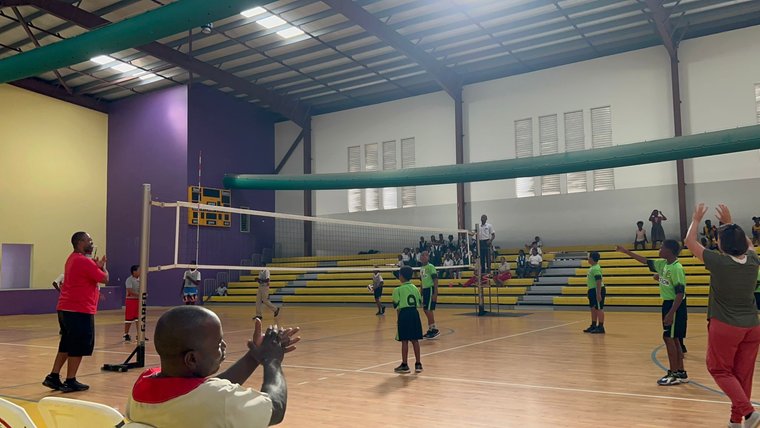
The first project of the NGO is an after-school program for at-risk youth called Epworth After-school Redemption iNitiative (EARN). The program combines sports and life skills such as discipline, gratitude, consistency, and respect. Participants are recommended by their teachers and principals, then I and my counterpart conduct home visits to gain parent support and consent. Participants join us for sessions twice a week, led by Belizean and American coaches.
Co-training the school’s sports teams have been a major focus throughout my service. We have been recruiting committed coaches from the community for the various sports.
A group made up of teachers, parents, and Volunteers have also worked together to reopen the library at the school. It is now used daily to host Book Buddies, where students spend 30 minutes per day reading with their peers.
3. What strategies have you used to integrate into your community?
Throughout my service, I have been genuine and transparent with my community. I’ve intentionally put myself into social situations so I can network. Through networking I’ve made professional and personal connections that I genuinely believe will be lifelong. I’ve shown respect to my community by learning local languages, participating in traditions and activities, learning how to cook local dishes, and showing genuine interest and love for my community members.
4. What is a highlight of your time in service so far?
The highlight of my service has been the positive impact I’ve had on students at my school and other kids in my community. We have built a level of respect and trust that means so much to me! This bond has allowed for daily culture exchange, allowing us to learn new things from each other. During my service I’ve done a lot of teaching, but even more learning!
5. What have you enjoyed most about the community where you are serving?
What I’ve enjoyed most about serving in this country is experiencing and immersing myself in the cultures of Belize including Kriol, Spanish, Garifuna, and Maya. Since the country is rather small, I’ve been able to feel connected to the country as a whole.
6. What are some of the most important things you’ve learned from your community?
I’ve learned to slow down. This was a hard lesson to learn coming from America, but it will positively impact me for the remainder of my life. It allows me to be more present, and not stress so much about what is to come. I’ve also learned the importance of cooking and eating clean and supporting local farmers.
7. How do you spend time when you are not working on a project?
When not working on a project, I spend time with local friends and other Volunteers throughout the country, exploring the natural beauty Belize has to offer. My host family organizes community volleyball games in the yard once a week, which I participate in or actively watch. Once a month I get together with a group of local women for a cooking and game night. I spend time working out on the roof of my home and cooking local dishes in my host family’s kitchen.
8. What are you looking forward to in your remaining time as a Volunteer?
All of the projects I have done here, I’ve done with a community counterpart, and look forward to seeing the ways that they will continue.
Once you finish your service, what will you do differently when you return to the U.S.?
Once I finish service, I will keep this experience and the memories I’ve made close to my heart. I will never buy tortillas from the store again, flour or corn!
Want to learn more about serving in Belize? Connect with a recruiter today.



