 An official website of the United States government


Featured Volunteer Profile
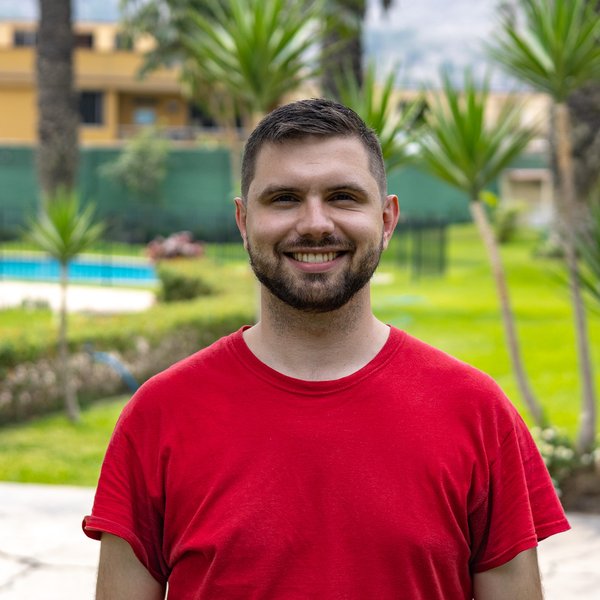
Tom R.
“Sometimes neighbors peer through the open door of my house and listen to me play my fiddle. It’s the greatest thing when my neighbor’s kids dance huayno (a popular Andean dance) to Irish reels, opening conversations about music, culture, and community...”
1. What got you interested in the Peace Corps?
I was in 8th grade when I first learned about the Peace Corps through my sister’s college friend, who was an Education Volunteer in Vanuatu. After reading her blog, I thought, Wow, this is so cool. Throughout high school and college, the idea of joining the Peace Corps never really left my mind. I went on to study civil and environmental engineering at the University of Massachusetts Amherst, and the Water, Sanitation, and Hygiene (WASH) position in Peru seemed to be a perfect fit for my interests and background. It’s such a privilege to use my skills, knowledge, and (most importantly) my willingness to serve to support my community with their water and sanitation projects.
2. What projects are you working on?
As a WASH Volunteer, I work closely with rural water committees on the operation, administration, and maintenance of their water systems. This looks like a lot of things. Some days I lead chlorination trainings for water operators in the mountain villages near my site, other days I’ll lead inspections of the drinking water systems with members of the rural water committee. Recently, a large tree fell and broke a long section of pipe in our town’s drinking water distribution system, high in the mountains above my town. We spent about three weeks replacing that section of pipe so the community could have running water again. I also teach English and science classes in the elementary school and co-lead trainings with the staff from my health post on topics such as sexual health, nutrition, and personal hygiene in the community. Every day looks different, and that’s part of why I enjoy my service here so much.
3. What strategies have you used to integrate into your community?
Integration was difficult for the first month or so, but as my Spanish improved and I learned the local Quechua slang, it became much easier. Every morning, I sit outside my house to drink my coffee, greeting my neighbors on their way to their fields for the day. Sometimes simple conversations turn into longer meetings or plans for later.
Music has also been a great integration tool. In the U.S. I used to play in a couple New England-style fiddle groups and playing that style of music in my site has been a great conversation starter. Sometimes neighbors peer through the open door of my house and listen to me play my fiddle. It’s the greatest thing when my neighbor’s kids dance huayno (a popular Andean dance) to Irish reels, opening conversations about music, culture, and community in the U.S. and Peru.
4. What is a highlight of your time in service so far?
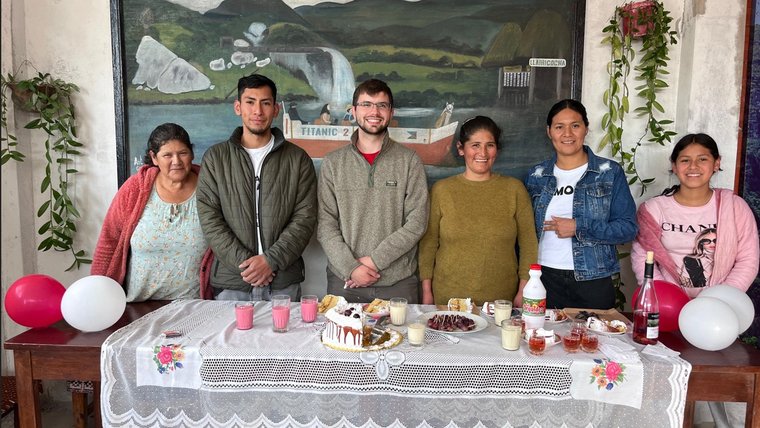
Without a doubt, the highlight of my service has been the people I’ve met. I live with a host family, and I rely on them not just for a place to stay, but for perspective. After long days navigating difficult meetings, miscommunications, and long hikes in the mountains above my town, my host family reminds me to slow down, eat together, and laugh. Through birthday celebrations, shared meals, and power outages, they’ve helped me improve my Spanish and understand daily life in my community.
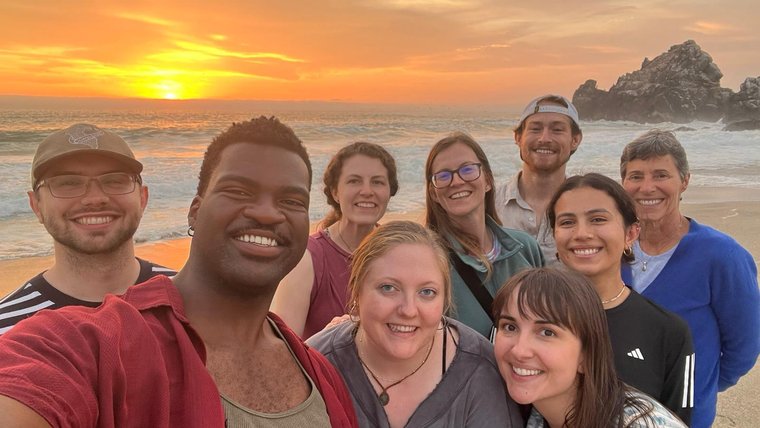
The other Peace Corps Volunteers in my cohort and region have also become friends for life. Before starting my service, I didn’t anticipate how important those relationships would be. We share the difficult moments—the setbacks, the homesickness, the logistical headaches—and we celebrate the small wins that no one else quite understands. Being surrounded by them has deepened my resilience and reminded me that service is never a solo endeavor.
5. What have you enjoyed most about the community where you are serving?
My community is very small, very rural, and very close-knit. At first, it was a little jarring. I didn’t get the same level of privacy and independence I was used to back home in the U.S. But, in time, I’ve grown to appreciate the way my neighbors, host family, and other community members care for me and for each other. I am constantly invited to have dinner with a neighbor, and my town has loved meeting my family in the U.S. during phone calls home. When I return to site after being away for a week or two, the kids will run up to me with hugs, saying, “Don Tomás, we thought you left us!” It’s that daily sense of community that has made this place feel like home.
6. What are some of the most important things you’ve learned from your community?
My community has taught me patience in a way I never experienced before. Plans change, meetings start late and progress can be slow, but that doesn’t mean nothing is happening. I’ve learned to value the conversations before and after meetings just as much as the agenda itself. I’ve seen that sustainable change takes time and persistence. I’ve learned to slow down, to listen more, and to adapt rather than push. That shift in mindset has made me a better Volunteer and a more thoughtful person.
7. How do you spend time when not working on a project?
When I’m not working on a project, you can probably find me on a hike in the mountains around my town or reading a book. I’ve spent many weekends enjoying the nature around my site. An ideal Saturday afternoon involves hiking up to the local mountain lookout with a good book to spend a couple hours sitting in the warm sun. I also spend lots of time with my host family, who recently took up beekeeping. It’s been enjoyable learning how to maintain the hives, care for the larvae, and plant native flora for the bees to feed on in the summer season.
8. What are you looking forward to in your remaining time as a Volunteer?
I look forward to finishing well. It’s hard to believe my service is already coming to a close. Of course, some days feel long, but looking back, the months have flown by. I have a couple minor projects to wrap up, such as converting my town’s drinking water chlorine tank into a more reliable chlorination system and some minor system repairs. The new school year starts a few months before my close-of-service date, so I’ll also spend the end of my service teaching English and science classes before I have to say goodbye. More than anything, I want to leave knowing that the systems, relationships, and momentum we’ve built will continue long after I’m gone.
9. What will you do differently when you return to the U.S.?
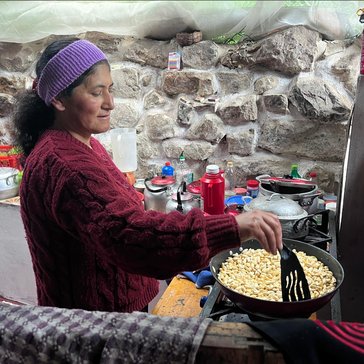
There are many things I’ll do differently when I return to the United States. Living in Peru has shown me what a deeply connected community can look like. Unannounced family visits, impromptu coffee in a neighbor’s kitchen, stopping by to borrow a few eggs: these small, everyday interactions are simply part of life here. I hope to carry that same openness and sense of community back home.
Peace Corps has also strengthened my confidence in my ability to figure things out. When a meeting starts late or a landslide cancels travel plans at the last minute, I no longer feel thrown off course. Instead, I trust in myself to adapt. Service has taught me that most challenges can be navigated with patience, creativity, and a willingness to adjust—and I bet that flexibility will stay with me long after I return to the United States.
Learn more about serving as a Peace Corps Volunteer in Peru.



