 An official website of the United States government


Featured Volunteer Profile
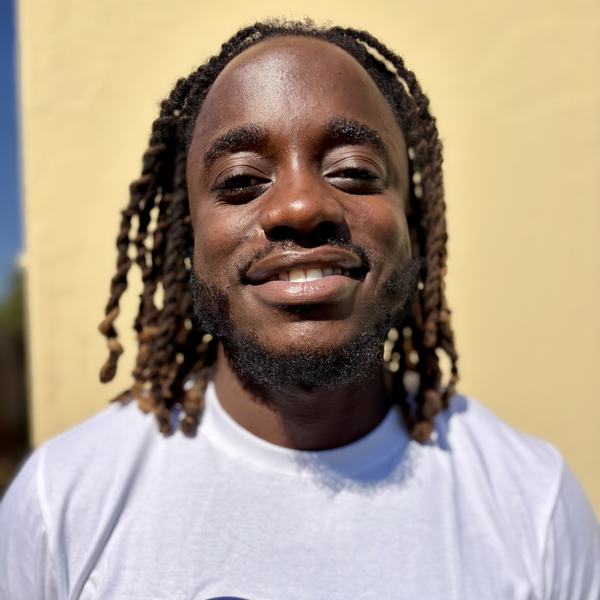
Meleki W.
“My Peace Corps service has deepened my passion for HIV prevention with a community-focused NGO, showing how genuine listening, cultural humility, and collaboration with local leaders can spark real, lasting change.”
1. What inspired you to apply for this Peace Corps position?
I was born and raised in Zambia, and I’ve always wanted to return to serve my country. My Master of Public Health fuels my passion for global health, and Peace Corps offers hands-on, sustainable community work that aligns with my skills in health education, epidemiology, and program design. I’m excited to apply what I’ve learned to improve preventive care and health outcomes in Zambia, learning from the community and contributing meaningfully on an international scale.
2. What projects are you working on with your community?
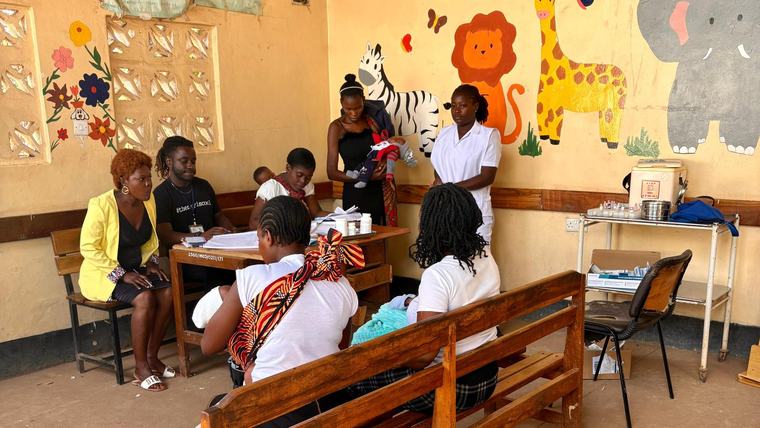
I’m working with a university teaching hospital team to provide HIV prevention services and outreach. Our projects include community-based HIV testing and counseling, risk-reduction education, and linkage to care. I’m also leading outreach to increase demand creation for HIV prevention—raising awareness, dispelling myths, and encouraging testing and preventive options in the community. This work is grounded in my MPH training and my goal to strengthen capacity and health outcomes in Zambia.
3. How have you leveraged your previous professional experience in your service?
My MPH from Drexel equipped me with health education, epidemiology, and program design that I’ve applied to the HIV prevention projects. Growing up in Zambia informs my culturally respectful approach, helping me co-design with local leaders and use resonant language. I’ve gained hands-on experience in HIV testing, counseling, and linkage-to-care through this project. I combine international best practices with local context to build sustainable interventions, and I rely on community advisory boards and ongoing stakeholder engagement to refine and scale programs.
4. What is a highlight of your time in service so far?
My biggest highlight so far has been building friendships with coworkers and enjoying a welcoming, productive workspace. The staff at the clinic are incredibly warm, making this experience feel meaningful and collaborative. Equally memorable have been the opportunities to explore the area’s highlights, from Victoria Falls to whitewater rafting and game drives. I’m grateful for the people I’ve met here and feel fortunate to have grown close to them.
5. What strategies have you used to navigate challenges during your service?
I prioritize listening, showing respect for local customs, and seeking guidance from community leaders and coworkers. This foster trust and opens doors when issues arise. I use simple, direct language, confirm understanding, and document important agreements. Regular check-ins with supervisors and peers help catch problems early. I break tasks into small steps, set realistic timelines, and adjust plans based on feedback and changing circumstances. I map community resources, partner organizations, and government channels to navigate logistics, safety, and program needs more effectively. I maintain routines that support my well-being such as going to a local fitness center, journal experiences, and seek peer support to prevent burnout and maintain motivation.
6. How has your service shaped what you will do in the future?
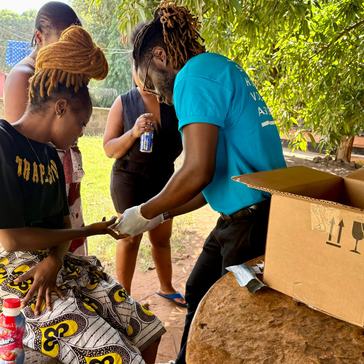
This has been a turning point for me, shaping a future I’m excited about. My Peace Corps service has deepened my passion for HIV prevention with a community-focused NGO, showing how genuine listening, cultural humility, and collaboration with local leaders can spark real, lasting change. I’ve developed practical skills in intercultural communication, stakeholder mapping, and facilitation, along with hands-on experience in program planning, data collection, and grant-writing support. These experiences have clarified my path: to design targeted, education-driven interventions, empower communities through advocacy, and help build sustainable, locally owned prevention programs.
7. Tell us about someone who’s impacted you during service
It is impossible to pick just one person; so many people helped me feel settled and welcomed. From Peace Corps staff, language teachers, and safety teams to my fellow volunteers, including Murphy, who was the local Response Volunteer, I’ve felt supported at every turn. I’m also grateful to my coworkers and the people I’ve met at the gym, as well as my host family, especially my grandmother, who has kept me grounded. Their kindness and encouragement have made this experience truly memorable.
8. What is the most interesting thing you’ve learned about your host country?
One of the most interesting things I’ve learned about Zambia is how deeply community and hospitality shape everyday life. Strangers are welcomed with warmth, conversations flow easily, and people genuinely take care of one another with the little they have. This spirit of mutual support extends to grassroots problem-solving, where communities collaborate with NGOs and volunteers to design practical, locally owned solutions. I’ve also been struck by how conservation and wildlife coexist with local livelihoods; community-led projects around sustainable farming, wildlife stewardship, and eco-tourism show a thoughtful balance between preserving resources and supporting families. This nuanced approach to development has reshaped how I view progress and impact.
9. How have you shared the culture here with family and friends back home?
I’ve shared the culture here with family and friends back home through stories, photos, and everyday moments that bring it to life. I’ve sent them pictures of traditions, hospitality, and community teamwork, and a couple of friends have even made their way here to visit me. We’ve cooked local dishes over video calls, exchanged music and market notes, and I’ve funneled updates on community projects and safety practices to give them a real sense of daily life and learning.
10. What would you say to someone thinking about joining the Peace Corps?
Embrace adaptability and curiosity and you’ll learn to navigate new cultures, languages, and daily routines with patience and openness.
Learn more about serving as a Peace Corps Response Volunteer.



