 An official website of the United States government


Featured Volunteer Profile
Maria D.
“I’ve realized that by maintaining a positive mindset and showing genuine compassion to those around me, everything begins to fall into place. I’ve been amazed at how many meaningful relationships have formed naturally just by being open-hearted.”
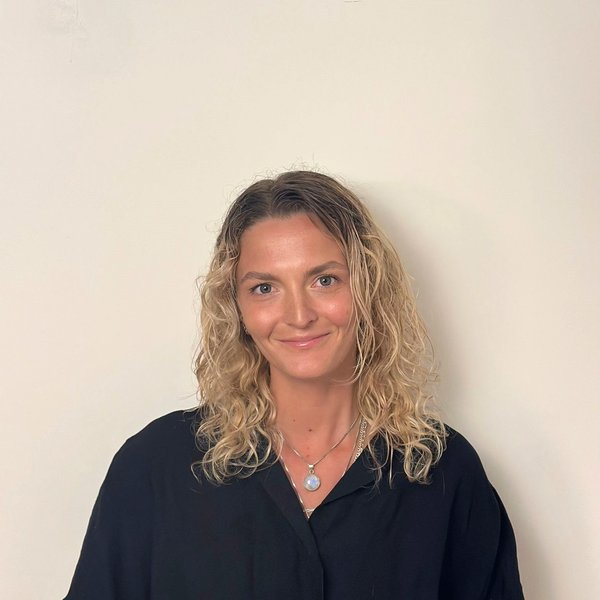
1. What got you interested in the Peace Corps?
I’ve always had a big heart and a deep desire to help make the world a more open and honest place. Studying social work in college only strengthened my love for supporting my peers and the wider community. After graduation, I craved hands-on experience, the opportunity to travel, and the chance to work on humanitarian projects in a new culture. I was fortunate to have an incredible advisor and mentor who truly listened when I shared my passions, and my uncertainty. She introduced me to the Peace Corps and told me I would be a perfect fit. After a long application process, I was accepted. I couldn’t be more grateful to be on this journey in Indonesia.
2. What projects are you working on?
I co-teach classes with my counterpart daily as part of my regular routine.
When I first arrived, I noticed there was no English club, so I gathered the other English teachers, made a plan, selected a day each week to meet for an hour, and spread the word to the students. We started small, with just 10 students and one student facilitator. Four months later, the club has grown to around 70 students and eight student facilitators! I support the students and contribute creative ideas, but my main goal is to empower the student facilitators to lead. In doing so, they’re building confidence and inspiring their peers to believe that they, too, can learn English with enough practice. My dream is for this club to be sustainable and to continue growing. I envision taking trips together, to the consulate, local colleges, or English camps—to expand their learning even further.
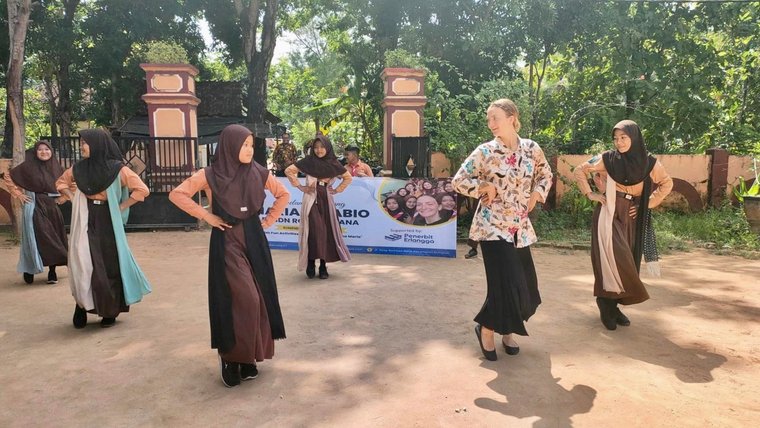
In addition to the club, I’m currently working with collaborators to develop a plan for my first grant project: creating a “green team” at school. As part of this team students will plant flowers, fruit trees, and herbs around campus, while learning how to reduce, reuse, and recycle. Most importantly, they’ll gain awareness of how to live more sustainably, healthily, and in harmony with the environment. The process will take time, but with the support of fellow teachers, community members, I’m confident this project will be a success, not just for the school, but for the whole community.
3. What strategies have you used to integrate into your community?
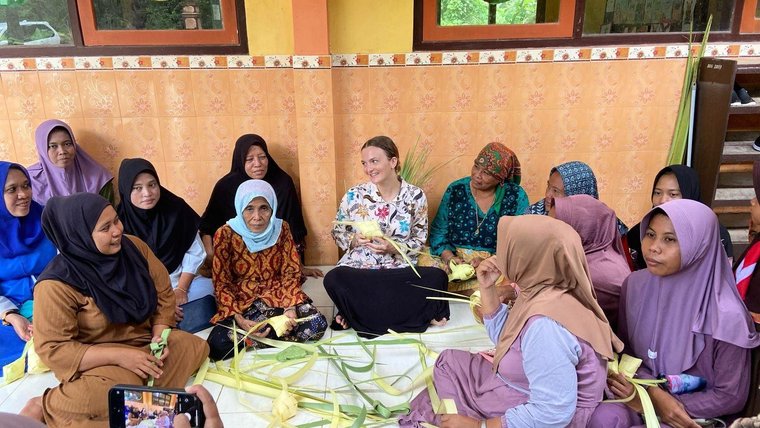
The most crucial thing is to always be open to new opportunities and say yes when a new situation presents itself, such as when a school invites me to meet their students or do an activity, or when my host family asks me to join them on a trip. These moments, big or small, help build trust, connection, and mutual respect. By being present and involved, I’ve been able to learn more about local customs, language, and daily life. It also shows the community that I genuinely care about and want to be part of their world, not just an outsider observing it. Additionally, it gives the chance to develop intercultural understanding. Each event I attend I share a piece of my culture from the U.S., and in exchange I gain something valuable from their culture.
4. What is a highlight of your time in service so far?
The highlight of my service so far is the very first day of English club. After planning the meetings, coming up with fun games and creative activities, I was nervous. When the day finally came students showed up on their own, not because it was mandatory. I was overwhelmed with joy. We had so much fun, and it was one of the first moments I truly connected with students who were genuinely passionate about learning English. It felt incredible to engage with them outside the classroom, in a space where they could be themselves, practice confidently, and enjoy learning. That day reminded me why I came here in the first place.
5. What have you enjoyed most about the community where you are serving?
What I enjoy most is the people. Everyone here is so friendly, welcoming, and easy to talk to, especially my host family, who treat me as if I’m one of their own. People always have big smiles on their faces; they seem genuinely happy to live where they live, and that joy is contagious. People are also incredibly curious and kind when they see me, they often ask questions about where I’m from, why I’m here, and what I think of their community. These conversations often turn into friendships, and I’ve come to truly appreciate how open and warm-hearted everyone is. I’ve shared meals with neighbors, played games with local kids, and taken part in community events that made me feel like I belonged. Being embraced so openly has made this experience not only rewarding, but also deeply meaningful.
6. What are some of the most important things you’ve learned from your community?
The most important thing I’ve learned about my community is that, even though we may look different and come from opposite sides of the world, we’re not so different after all. At our core, we all value connection, kindness, and belonging. I’ve realized that by maintaining a positive mindset and showing genuine compassion to those around me, everything begins to fall into place. I’ve been amazed at how many meaningful relationships have formed naturally just by being open-hearted. It’s a beautiful reminder that when you lead with empathy and authenticity, the best people, and the most rewarding experiences find their way to you.
7. How do you spend time when you are not working on a project?
It’s essential that I stay connected to the things that ground me—my creativity, my hobbies, and the natural world. During my free time, I love to play my ukulele, practice yoga on my balcony, get lost in a good book, visit the beach, or explore the nearby mountains. These activities help me reset and recharge. Prioritizing mental health and self-care allows me to show up fully in both my work and community. When I make space for the things that calm and inspire me, I’m able to bring my best self to everything I do.
8. What are you looking forward to in your remaining time as a Volunteer?
I’m looking forward to seeing the projects and ideas I’ve worked on come to life in my community. After months of planning and collaboration, it will be incredibly fulfilling to watch plans take shape and see the community come together to support and engage with them. I’m excited to witness the growth of the English club and the green team, as well as the long-term impact they’ll have on the students and the school. Beyond that, knowing that my work will continue to thrive after I leave brings me a sense of contentment. The greatest reward will be returning to America with the confidence that what I’ve created will remain in the community forever, not just as a memory, but as something that will continue to inspire and support future generations.
9. Once you finish service, what will you do differently when you return to the U.S.?
When I return to the U.S., I will be eager to share all the knowledge and stories I’ve gathered from my time in Indonesia with my friends and family. I can’t wait to share with them about the new culture I’ve experienced and help open their minds to what life is like on the other side of the world. The gratitude I’ve felt here is something I’ve never experienced before, and it has profoundly shaped my perspective on life. When I go back to the U.S., I’ll carry with me the lessons and experiences I’ve learned, as well as a deep sense of love and appreciation for both the community I’ve been part of and my own life. This journey has taught me so much, and I’m excited to share it all, hoping it inspires others to see the world, and their own lives, in a new light.
Want to learn more about serving in Indonesia? Connect with a recruiter today.



