 An official website of the United States government




Featured Volunteer Profile
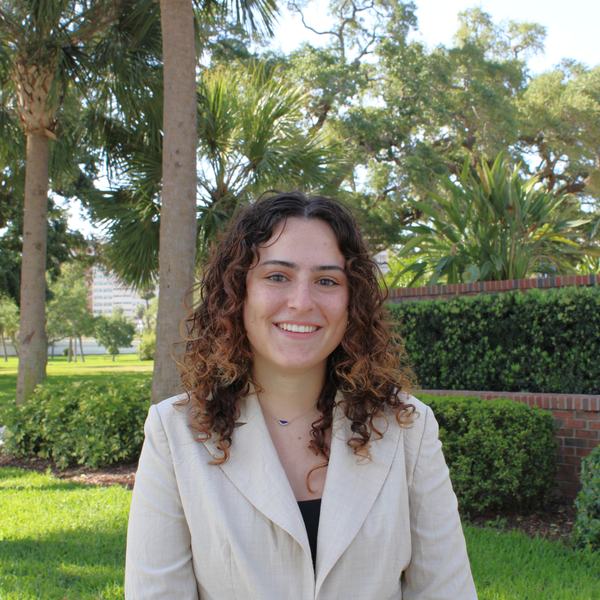
Julia L.
“My friends here have taught me to go 'smol smol' (Krio for 'little by little'). Walking to school each day, I stop and greet my neighbours, chat with the lady I buy breakfast from, pet the dogs, enjoy the journey, and not just rush to my destination.”
1. What inspired you to apply for this Peace Corps position?
My mother served in the Peace Corps in the ’90s, and I grew up hearing about her service and how much it meant to her. I’ve always admired her dedication and sacrifice to serve others. Growing up internationally, I’ve always been interested in the world and experiencing different cultures, perspectives, and ways of life. Joining the Peace Corps gave me the opportunity to follow in my mother’s footsteps while pursuing my own passion for service, global understanding, and community-driven development.
2. What is a highlight of your time in service so far?
The highlight of my service was spending my 24th birthday at site. My community threw a party for me with food, cake, and dancing. My friends, fellow teachers, other Volunteers, and community leaders all took time out of their busy days to celebrate with me. It was a powerful reminder that the relationships I had built were genuine and meaningful, and the kindness and support I received that day continue to inspire me to give back to my community and invest in those relationships every day.
3. What are some of the most important things you’ve learned from your community?
The most important thing I’ve learned from my community is patience. In the States, I rushed around everywhere, not taking the time to appreciate the little things. My friends here have taught me to go “smol smol” (Krio for “little by little”). Walking to school each day, I stop and greet my neighbors, chat with the lady I buy breakfast from, pet the dogs, enjoy the journey, and not just rush to my destination.
4. Tell us about the strongest relationship you’ve developed in country.
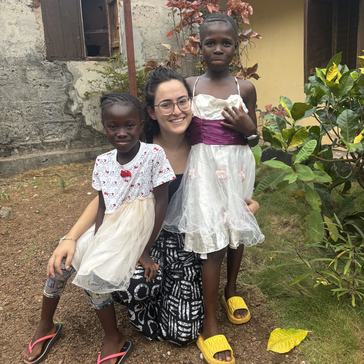
My strongest relationships are with my two neighbor children, Alice and Marian. I spend time with them every day, whether helping with homework, playing games, or simply talking about our lives. Through them, I have gained a deeper understanding of Sierra Leonean culture, family life, and the joys and challenges of growing up in my community. Their friendship has brought me a sense of belonging and purpose, and during difficult moments, their enthusiasm, kindness, and resilience remind me why I chose to serve. The bond we have built has been one of the most meaningful aspects of service.
5. What’s a typical day like for you?
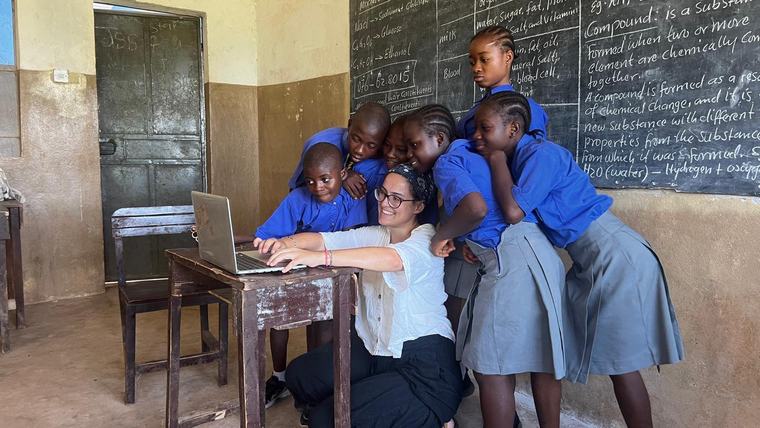
A typical day starts early as I get ready and head to school, where I teach from 8:00 a.m. to 2:00 p.m. When I’m not in the classroom, I spend time lesson planning, collaborating with fellow teachers, and working on community projects. For lunch, I often enjoy “binch ankara,” a local dish made from mashed and fried beans served on bread. After school, I head home and often help my neighbors prepare the evening meal. Once cooking is finished, I might tutor a few students or do chores such as pumping water at the well. In the evening, I usually go for a walk around the community, stopping to greet friends along the way. At night, I help my neighbors with homework, write in my journal, or call family and friends back home. I try to wind down and be in bed by 10:00, ready to do it all again the next day.
6. Tell us your favorite phrase in the local language.
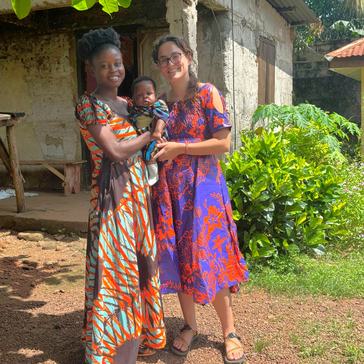
“A wan yu fo padi” in Krio means “I want to be friends.” This phrase means a lot to me because it was the catalyst for my relationship with a woman who I became close to and who eventually named her child after me. In Sierra Leone, it is tradition to name your child after someone close to you—a namesake. This was one of the first sentences she said to me, and I will forever be grateful for that and the relationship we now have together.
7. How do you spend time when not working on a project?
I spend a lot of time with my friends, cooking, doing chores and just chatting. I also like to read, practice yoga, or paint when I can. When I have a bigger chunk of time, I try to go visit other Volunteers to see more of “Mama Salone” (Sierra Leone) before my time here is up.
8. What would you say to someone thinking about joining the Peace Corps?
If you think you have the skillset and mindset to be a Volunteer, go for it. There are plenty of different opportunities within service, and the experience can open many doors for you. I know Returned Peace Corps Volunteers who joined the State Department, work in international development, are teachers, doctors, managers—there is no one career path that you must follow after service; it's totally up to you!
Learn more about serving as a Peace Corps Volunteer in Sierra Leone.



