 An official website of the United States government


Featured Volunteer Profile
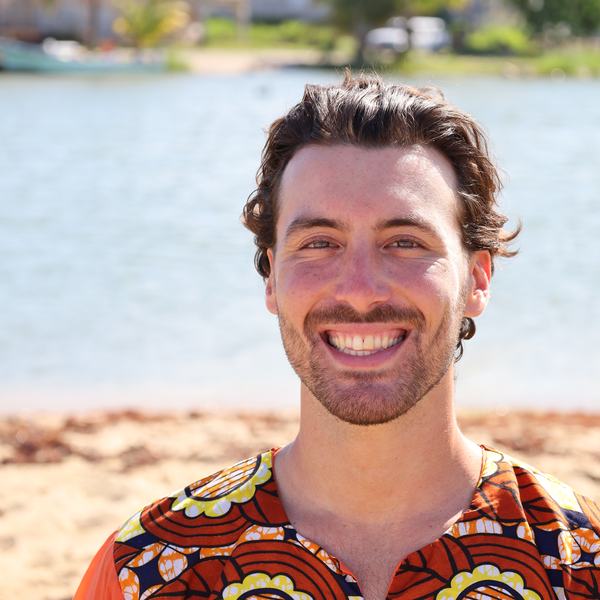
Joseph S.
“The strongest relationship I have developed is with my host mother. From the beginning, my host mother has been kind and generous, and welcomed me into her home with open arms.”
1. What inspired you to apply for this Peace Corps position?
First, the combination of youth development and sports tied together two of my interests and provided a great opportunity to build upon my previous experience. Second, the proximity of Belize to the United States meant that friends and family could easily visit my host country. And third, Belize is a unique location that combines the cultural and linguistic aspects of the Caribbean and Latin America.
2. Tell us about a moment that sticks with you from the first week at your site.
In my first week, I bought my favorite cereal to eat for breakfast over the course of the entire week. I poured myself a bowl of cereal and then tossed the box in the back of the food pantry without a second thought. The next day as I pulled out the box from our pantry, I saw a trail of ants on the floor leading directly to my cereal box, which had become breakfast for an entire colony of ants! I let out a frustrated sigh and my host mom immediately came over to see what the problem was. She sprang into action, pouring the cereal and ants into a strainer and furiously shook the contents from the nearest window. After a few seconds, she handed the strainer back to me and said, “Here’s your cereal!” I looked through the corn flakes and there was not an ant in sight! “How did you know to do that?” I asked incredulously. She said, “One thing you’ll learn in Belize is that you must always be creative to find solutions to your problem.” That is a lesson I have applied in every aspect of my service and is one that will stay with me forever.
3. What is your main job?
I work alongside teachers at a primary school to co-plan and co-facilitate a sports club where life skills lessons (e.g., perseverance, communication, respect) are integrated into specific sports (e.g., football, volleyball, softball) for groups of 20 students a day. Additionally, I partner with a local sports office to co-facilitate national sports tournaments for 15 primary schools and over 500 student athletes. At the moment, my school is organizing its first ever boys’ and girls’ softball team with hopes of participating in the national primary school softball tournament later this spring. At the local sports office, we are preparing to host the national primary school basketball championships right in our backyard.
4. What strategies have you used to integrate into your community?
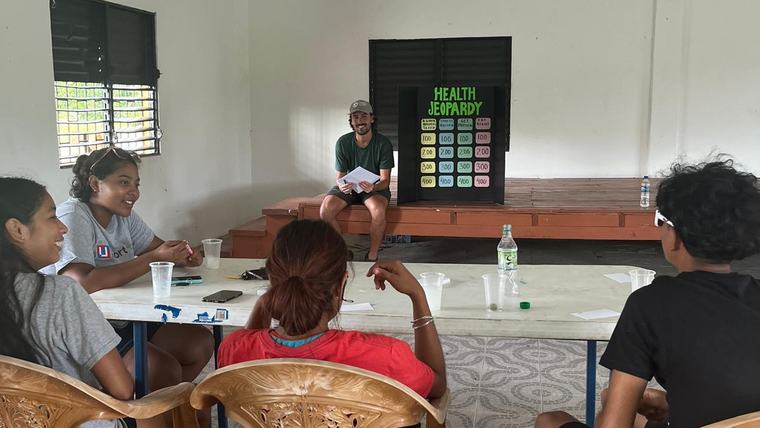
One strategy I used at the outset was saying “yes” to new experiences even if the experience pushed me out of my comfort zone. I was initially nervous and insecure about how I would be received and if people would accept me in my new community. I tried my best to use my language and the cultural knowledge that I gained during training but I still felt out of place at times. Then my host mom started inviting me to go into town with her and her friends. Even though I did not know anyone, I said “yes.” I was greeted with open arms and went on to participate in so many fun things like dancing, karaoke, and making food. The people I met also helped me build deeper connections within my community, furthering my integration.
5. What’s a typical day like for you?
A typical day in the Peace Corps is hard to come by, but most mornings start with a trip to the gym to get energized for the day. I then return to my house and make breakfast, and if I’m going to school, I plan a lesson for the sports club and life skills club according to what season it is and what life skills lesson we are working on. I typically take the bus to school five days a week. At school, I share the lesson plan with other teachers and we make adjustments together. In the last hour of the school day students come running outside for sports. We start with a warm-up, do an activity about our life skill of the day, have a small discussion afterwards, and then do sports drills to convey the life skill we are learning about. We finish up with a game where everyone participates, even the teachers!
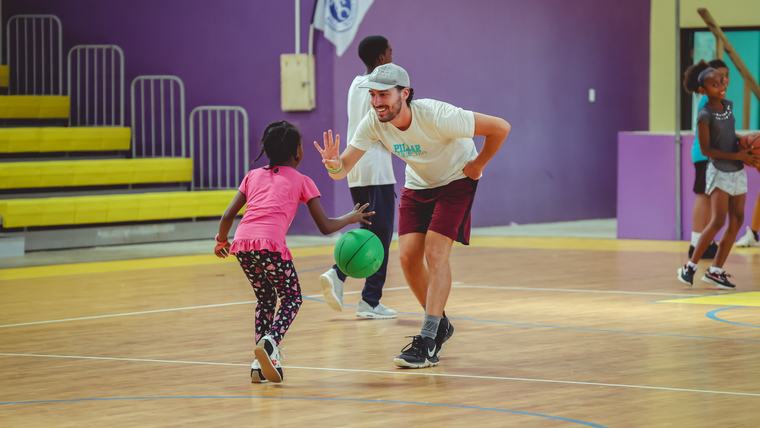
On the days when I don’t go to school, I host a literacy club at the local library three days a week. It’s a place where students of all levels can build their reading and comprehension skills.
Other days, I collaborate with local community leaders to co-plan and co-facilitate youth sports tournaments or conduct after-school sports programs for at-risk youth in the community. After work, I like to go home and decompress, whether that is doing chores, meditating, reading, or seeing my friends. I eat dinner, wash up, get into bed, and rest up for the next adventurous day that awaits.
6. What have you enjoyed most about the community where you are serving?
One thing I have enjoyed about my community is its cultural and linguistic diversity. There are over half a dozen languages spoken by thousands of people, with monthly celebrations honoring the unique ethnic groups that make up my community. Whether it is Garifuna Settlement Day in late November, Chinese Lunar New Year at the start of the year, or the Easter parade every April, there are so many opportunities to learn and engage with the cultures and the people that make this such a beautiful community.
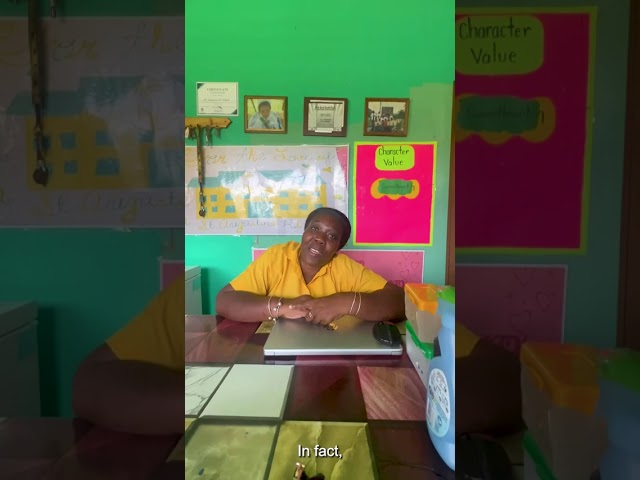
Meet Joseph's counterpart, Ernestine J.
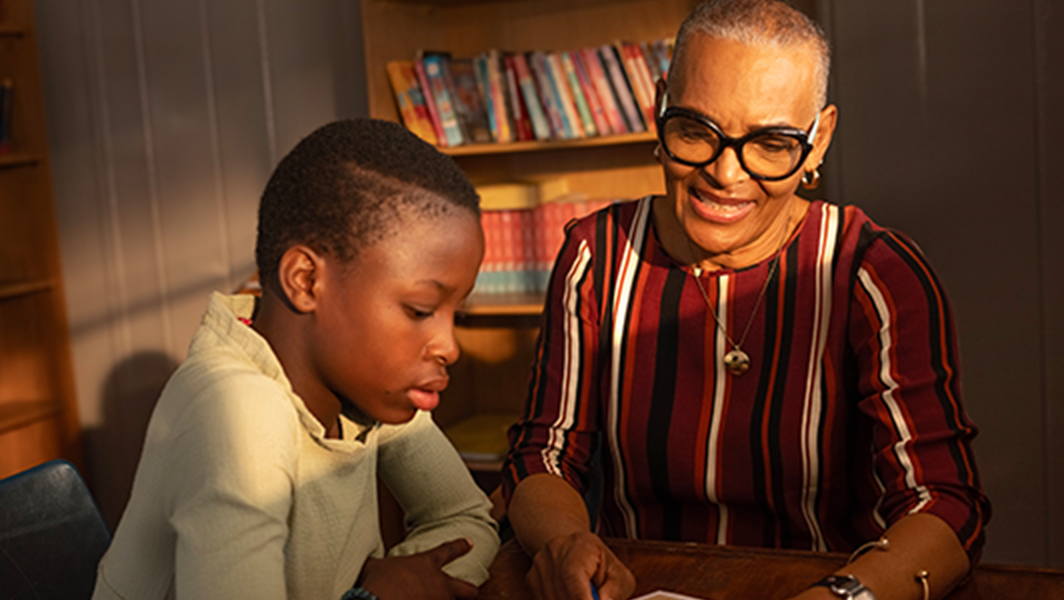
Ernestine J., the principal of the school where Joseph works, shares about their collaboration in Belize.
7. What are some of the most important things you’ve learned from your community?
One of the most important things I’ve learned from my community is a different understanding of time. In the U.S., there is a strict, regimented view of time, and schedules and deadlines are very important. At meetings, attendees are expected to discuss business, saving personal discussions for before or after the meeting. In Belize, time is more malleable. Meeting attendees will catch up with one another and ask about people’s lives and their families before commencing business. In Belize, the meeting doesn't take precedence over personal relationships. I am grateful to my community for sharing this new perspective with me as I continue to build intercultural connections
8. How do you spend time when not working on a project?
When I am not working on a project, I spend time recharging my batteries either by myself, with my friends or with my host family. I love to read in the hammock at my house, meditate while listening to the rain, or watch TV cuddled up with my kitty cats. With my friends, I love to go to the beach and play a competitive game of volleyball, hike through the jungle, or take a refreshing dip at the local waterfall. With my host family, I love to dance the night away to drumming, sing our hearts out at karaoke, or play an exciting game of UNO.
9. Tell us about the strongest relationship you’ve developed while in country.
The strongest relationship I have developed is with my host mother. From the beginning, my host mother has been kind and generous, and welcomed me into her home with open arms. The very first night we met she introduced me to her aunt, uncle, and cousins, and we played card games and shared stories as if I were always a part of the family. We listen to each other when we have a busy week and need to vent about the frustrations of life. We back each other when it’s karaoke night and a power ballad needs a powerful duet. And we support each other when a tragedy strikes and we need love and comfort. My host mom and host family have not just become my family in Belize but my family for the rest of my life.
10. What are you looking forward to in your remaining time as a Volunteer?
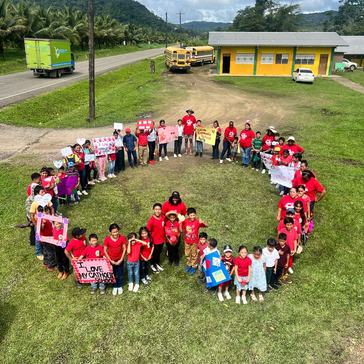
I am looking forward to passing along the knowledge and the lessons I have learned throughout my service to the next cohort of Volunteers who will continue the work I started. From how to recruit and organize a new softball team at your school, to how to introduce yourself to a crowd of new parents at your primary school, to the best deals on mangos and avocados when they are in season, there are lessons and teachers to guide them in every step of their journey. I want to help those who come after me the same way I was helped by those who came before me.
11. Tell us your favorite phrase in the local language.
My favorite phrase in Belizean Kriol, from a country dedicated to proverbs is: “Waa empty crocous bag neva stan pahn itself,” which means “An empty crocus (burlap) bag cannot stand up by itself.” Made to carry agricultural products, a crocus bag is very sturdy and when full, can stand up by itself with very little support. When empty, however, it can collapse. The proverb is a reminder to check in and make sure you are supporting yourself and your needs otherwise you leave yourself depleted and unable to carry on.
12. What will you do differently when you return to the U.S.?
First, I will replace all my cooking oil with coconut oil. In the Caribbean, coconut oil is the most popular oil and it is impossible to find a Belizean dish served without it. After trying everything from rice to fried fish to bread pudding with coconut oil as one of the staple ingredients, my cooking and taste buds will never be the same.
Second, having lived in a community where biking is the most common mode of transportation, I discovered all the benefits of bipedal transportation, including daily physical activity, quicker navigation through traffic, and camaraderie and cohesion around fixing and maintaining bicycles. The biking community is strong and I want to be a part of that community the rest of my life.
Third, I want to bring “bidding the time of day” to my life in the U.S. In Belize, everyone, no matter if you are lifelong family members or strangers on the road, bids the time day morning, afternoon, evening, and night. It is a simple exchange that may not seem important, but when you are trying to build connections in a new community, it is. It is a sign of respect and an acknowledgement to your neighbors that we are a body of people building a shared community together. It’s a small act that has tremendous impact and I cannot wait to bring it back to my future community in the U.S.
13. What would you say to someone thinking about joining the Peace Corps?
For someone thinking about joining the Peace Corps, I would say know your “why,” and be prepared to work hard and have fun. You have the opportunity to do meaningful work with one-of-a-kind people in places that most people only dream of experiencing. It will challenge you in ways you have not been challenged before. You live outside of your comfort zone where growth is demanded. You will confront your preconceived notions and be forced to look beyond the world you may have grown familiar with. But along with the trials and tribulations comes excitement from the new and unexpected, joy from service towards others, and a love for community that grows stronger every day. Once you've decided to embark on a journey that others shy away from, and once you're open to everything that accompanies it, you're ready for the Peace Corps.



