 An official website of the United States government




Featured Volunteer Profile
Tori B.
“Moldovan work culture puts people and relationships first, which builds a strong foundation for projects and work to be achieved as a team.”
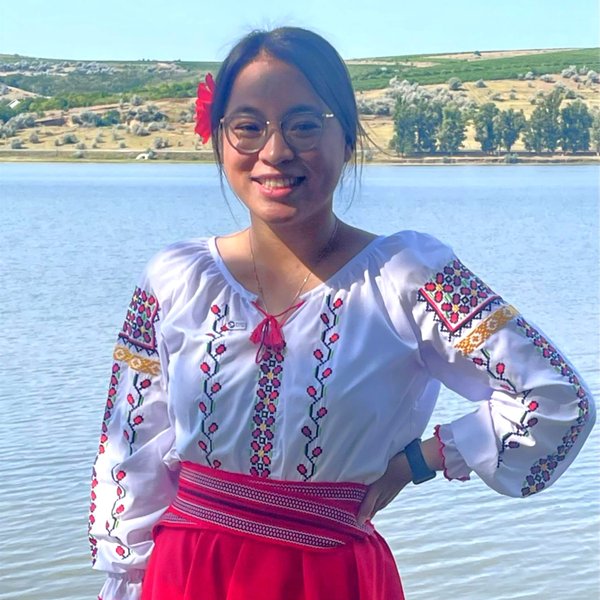
1. What got you interested in the Peace Corps?
After graduating from college, I worked at a large consulting firm for about 2.5 years, working on several projects with clients in the insurance industry and public sector. I started to feel my job wasn’t fulfilling or benefiting anybody, so I thought about the 40-year career ahead of me. I realized that I wanted my future self to be proud of the meaningful impact my past self had left on the world, and I didn’t want to make a millionaire a billionaire. I wanted to become a Peace Corps Volunteer to find impactful, fulfilling opportunities whose programs truly benefited those it was meant for.
2. What projects are you working on?
Currently, my work partner and I are working on creating a youth center in our community. The youth in my village have taken a lot of initiative over the past year and formed a local youth council with the most dedicated and active youth in the community. Together, they’ve helped the mayor’s office plan successful events, refurbished the local bus station, and most importantly, helped work on renovations for the youth room in the culture center. This was originally an empty, unused room, but they have transformed it into a welcoming and safe space for all youth in the community. My partner and I are working on a grant proposal to secure funding for furniture, computers, office supplies, and other equipment and resources. Our goal is to increase the socialization and sense of community and, in turn, decrease the feelings of isolation and loneliness among youth.
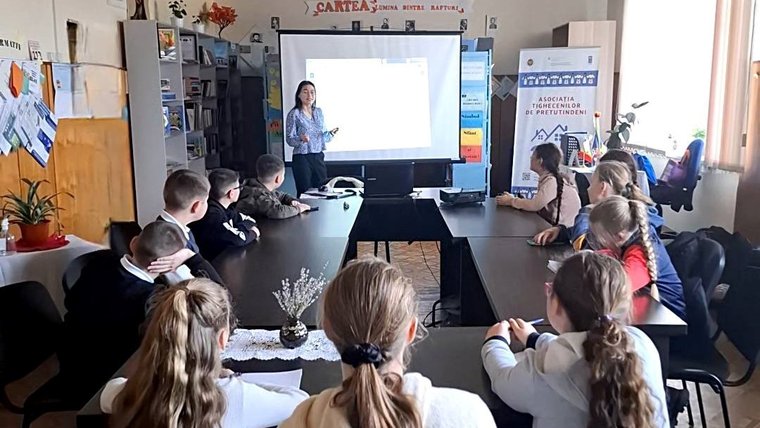
I also have a weekly English club with kids in 4th to 7th grade and another one for teenagers.
3. What strategies have you used to integrate into your community?
When I first arrived, I was very shy and nervous about saying or doing the wrong thing. However, I gradually adjusted and opened up more. I always say “hello” to everyone I walk or jog by. Additionally, especially in the first few weeks, I tried my best to say “yes” to everything, whether it was with my host mom or my partners. Sometimes, this meant I wound up at someone’s house for tea or at a workshop relevant to my work, but there was always an unexpected pleasant surprise.
4. What is a highlight of your time in service so far?
So far, I’ve been able to attend my village’s celebrations for Independence Day, Language Day, First Bell (at the start of the school year), New Year’s, and International Women’s Day. These cultural events are not only ways for me to learn more about Moldova and Moldovans but also to strengthen the relationships I’ve built so far.
5. What have you enjoyed most about the community where you are serving?
Everyone I’ve met so far is extremely hospitable and kind. I’ve been met with open arms and patience as my Romanian improves, and I couldn’t have asked for a better environment to be in while embarking on my Peace Corps journey. I was initially worried about how I would be perceived by community members, but quickly realized everyone was excited to work with me, and the kids wanted to learn more about me and America.
6. What are some of the most important things you’ve learned from your community?
I think a cultural shift many Volunteers experience is revising their definition of what it means to be “productive.” For many Americans, productivity means getting everything that needs to be done completed as fast as possible. The lines between one’s work life and personal life are clearly defined. However, in Moldova and many other Peace Corps countries, it is not uncommon for one’s work life and personal life to overlap. Moldovan work culture puts people and relationships first, which builds a strong foundation for projects and work to be achieved as a team.
7. How do you spend time when you are not working on a project?
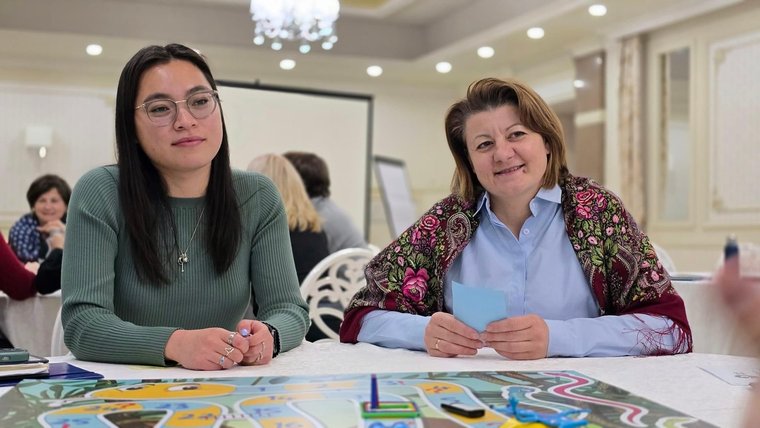
I have a book club with a few fellow Volunteers, which has been an invaluable resource for me. We meet weekly, and in addition to reading books I wouldn’t normally have picked out, I get to hear updates about how my peers are doing at their sites and what their lives are like. It is fascinating to hear about other people’s experiences because they can be so different from mine, yet we are all still in Moldova together. These weekly sessions are also an opportunity for us to talk about anything we may be struggling with at our sites, difficulties with language learning, or even what we may want to do after Peace Corps service. I’m so thankful for this community of support and feel like it has brought us all so much closer together.
8. What are you looking forward to in your remaining time as a Volunteer?
My village has its Hram, or “day of the village,” in late May. People celebrate Hram by having friends and family visit, gathering for a big meal, dancing, and sometimes even a concert! Additionally, I’m hoping to have activities and clubs over the summer vacation with the kids, whether it be a sports camp, creative activities, practicing English at the library, or even just playing games at the culture center.
9. Once you finish service, what will you do differently when you return to the U.S.?
I cannot wait to share Moldovan recipes with friends and family in the U.S.! Moldovan food is incredibly delicious, and I’m trying to learn as much as I can from my host mom. Some of my favorite Moldovan foods are plăcinta, sarmale, and pelimeni.



