 An official website of the United States government


Featured Volunteer Profile
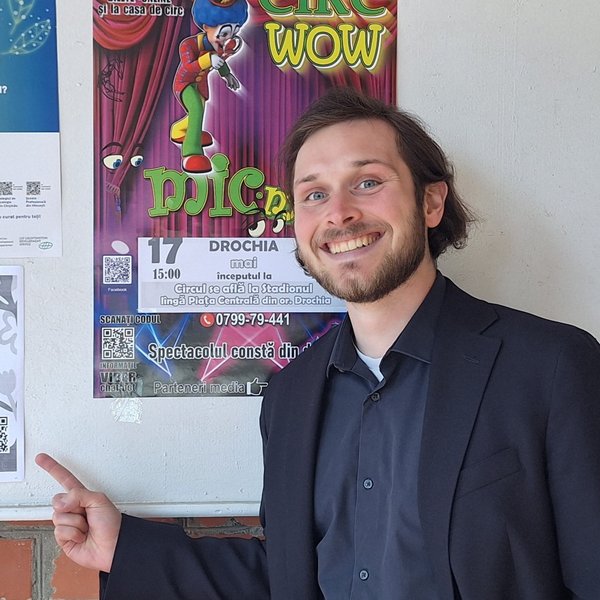
Declan R.
“One of the biggest takeaways is how to lead by example, both during and outside classroom instructional time. I am the only male educator at my site so, for the young boys especially, presenting myself as a good role model has been a big responsibility.”
1. What got you interested in the Peace Corps?
My grandfather worked for the Peace Corps way back in the 1970s, so it had always been on my radar a bit. I had graduated university and was working a job for a while but found it a bit unfulfilling. I felt a call to serve my country in the best way I could, even if it meant an extraordinary challenge. Beyond that, I have always been interested in meeting new people, experiencing new cultures, and doing difficult new things, so the idea of Peace Corps popped into my head again after so many years of hearing about my grandfather’s work. So, overall, I suppose it was a combination of a call to serve, a desire to learn new skills, and a bit of family legend that drew me to the Peace Corps.
2. What projects are you working on?
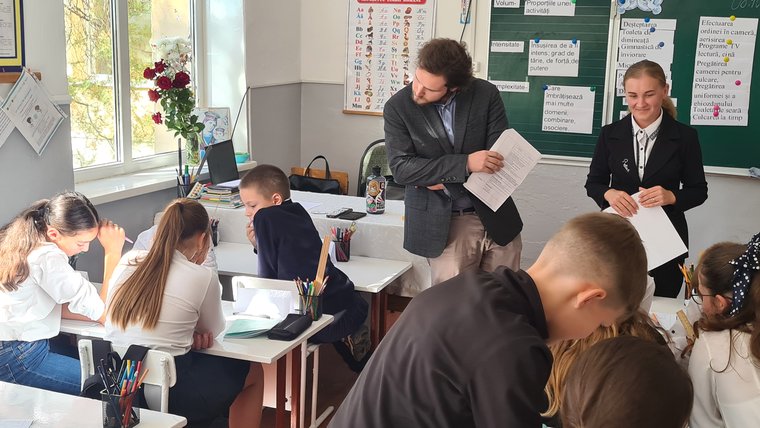
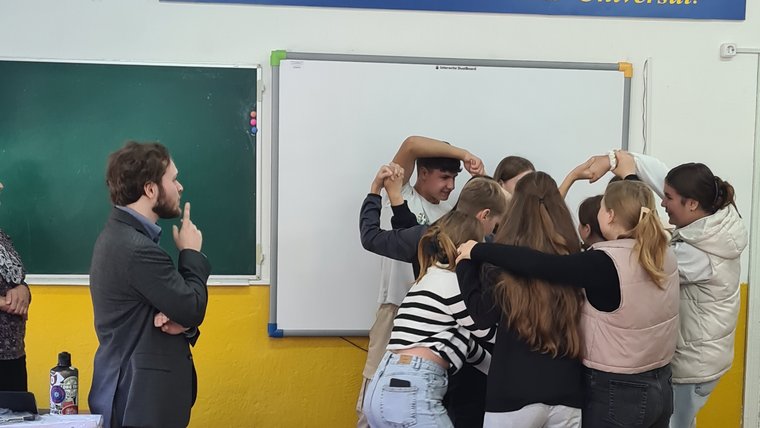
At the moment, I am knee-deep in my planning for the summer break. During the year, I teach health education classes at the local middle-school as well as help host events at the local clinic. The summer break gives me an opportunity to plan some of my own activities a bit more freely. I’m currently working on an American sports camp to get the local kids more physically active. I will be teaching them American football, ultimate frisbee, and a hometown Ohio classic: cornhole.
3. What strategies have you used to integrate into your community?
Language, language, language. Verbal communication has always been a really important part of how I express myself and move throughout the world, so getting as good at Romanian as I possibly can has been a big step forward in integrating into the community. Beyond that, I attend as many cultural and civic events as possible. Religious holidays are very important here in Moldova, and even though I am not Orthodox myself, being seen participating in local traditions has really gone a long way in building trust and familiarity between myself and the community at large.
4. What is a highlight of your time in service so far?
Working together with a local youth clinic, we put together a 3-day long first aid skills workshop for young people in the district. I served as a volunteer EMT before Peace Corps, so the opportunity to share some of my skills with the kids was really fun for me, and interesting for them. We also invited a crew from the local ambulance service to come and speak to the kids about careers in healthcare and the kind of work that paramedics do in their communities. The subject matter was quite advanced for where my language skills were, but the satisfaction of pulling off such a big event and seeing the kids engage with the material was amazing.
5. What have you enjoyed most about the community where you are serving?
My community is in the rural north of Moldova, and the lifestyle here is very connected to the land. Almost every family here, even if they work in IT or education, have an acre or two of land and some livestock, so they raise crops and meat for the household. I have always lived in cities or suburbs, so the opportunity to learn from my rural community about growing produce, taking care of animals, and preserving foods in a natural way has been really exciting.
6. What are some of the most important things you’ve learned from your community?
Before I joined the Peace Corps, I had never taught in a formal classroom environment. My teacher partners here at my site have taught me so much about how to engage with students, design effective lessons, and efficiently manage a classroom. One of the biggest takeaways is how to lead by example, both during and outside classroom instructional time. I am the only male educator at my site so, for the young boys especially, presenting myself as a good role model has been a big responsibility.
7. How do you spend time when you are not working on a project?
I am really passionate about the outdoors and staying healthy, so I have made a habit of running the backroads between the fields around my village. The wide-open spaces are beautiful, and even though running for sport is not very common in Moldova, I think people have come to expect it from the Health Education Volunteer! I also have a weekly Dungeons and Dragons game with some fellow Volunteers. Other than that, I use a lot of my free time to pursue some personal creative writing projects and read new books.
8. What are you looking forward to in your remaining time as a Volunteer?
I have been working on a project to renovate an empty room in the local school into a recreation and weightlifting room. Though it's still in the early stages, I’m really looking forward to taking on a bigger challenge as my service moves into its second year.
9. Once you finish service, what will you do differently when you return to the U.S.?
I have learned so much, it's hard to even write it all down. I think I will come back to the U.S. with a new appreciation for the community aspects of public health. Being in a small community where there are not very many medical professionals has made me realize the role that healthcare providers play as community leaders outside the clinic or hospital. I think this community-centered approach is something that I will really take with me from my service as I continue my career in the United States.
Want to learn more about serving in Moldova? Connect with a recruiter today.



