 An official website of the United States government


Featured Volunteer Profile
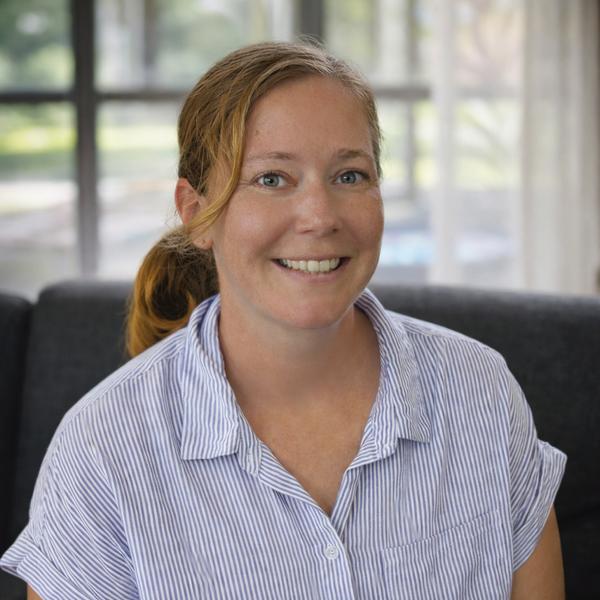
Emmajean S.
“Even if you didn’t complete a university degree, many Peace Corps programs accept work experience or a combination of an associate’s degree and work experience as a substitute.”
1. What inspired you to apply for this Peace Corps position?
I had been interested in applying to the Peace Corps for a while. My partner Ramone and I were already leaving our full-time jobs to travel, and it just felt like the perfect time to apply. One day, we went through the process of applying on a whim. We both served through AmeriCorps previously, and I had taught in other countries, so the Peace Corps seemed like a great and unique way to engage in community development and experience a country I might not have visited otherwise.
2. Tell us about a moment that sticks with you from the first week at your site.
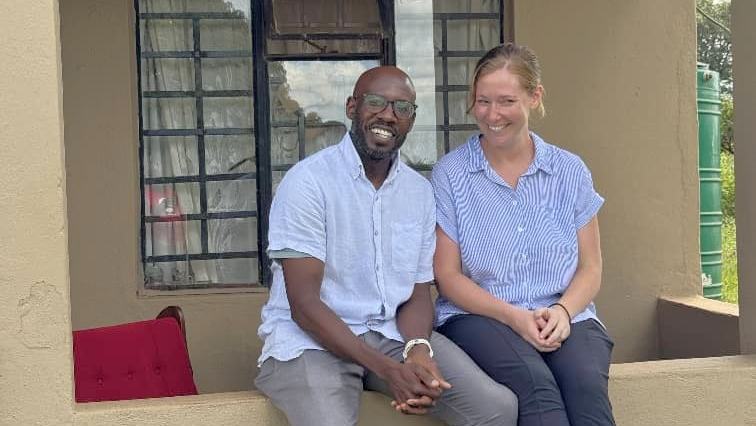
The first week felt like a blur with a lot of introductions and orienting myself to the community. At one point, Ramone and I were both having stomach problems due to the water at the homestead, so our host family went out of their way to help us get filtered water from a nearby well, which was very thoughtful and kind.
3. What projects are you working on?
I’m currently working on getting a grant approved to renovate a youth center. A significant portion of the funding will go toward repairing the roof as well as restarting programming there. I’m specifically partnering with staff at the clinic to relaunch a young mothers’ club. We also have plans for financial literacy workshops and other community programs. That’s the major project I’m focused on, along with my day-to-day work at the clinic and within the community, which includes health outreach for youth at schools and in the community, and support with supply management at the clinic.
4. What strategies have you used to integrate into your community?
My biggest integration strategy has been simply putting myself out there in different places and engaging in conversations. I made an effort to learn and use Siswati, and most importantly, to be present. At times, it can be challenging coming from a Western perspective where productivity feels essential to worth/value, so I’ve learned to take a step back and focus on being present in various spaces to build meaningful relationships.
5. What’s a typical day like for you?
My day-to-day life can vary, but when I am at the clinic, I am typically involved in supporting pill packing and ordering medical supplies. On school outreach days, I work with one of my counterparts or another Peace Corps Volunteer to provide health education and clinic referrals to youth. On home visit days, I go with community mentor mothers or my counterpart to visit homesteads. Other days may consist of meetings, Siswati lessons, or daily chores.
6. What is a highlight of your time in service so far?
One of the biggest highlights so far was co-organizing a World AIDS Day event in December. We arrived in August, so it felt like a quick turnaround. The event was a collaboration between the high school and the clinic, as well as regional health workers, and despite being planned a little last minute, it turned out really well. We had several excellent guest speakers, one of whom spoke about living with HIV, and a question-and-answer session at the end.
7. What have you enjoyed most about the community where you are serving?
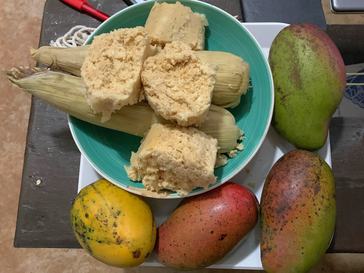
What I’ve enjoyed most is connecting with people and building relationships. I also really love learning languages, so studying Siswati has been a lot of fun. My Siswati tutor has a great way of integrating historical and cultural elements into the lessons, which has made the experience fun so far.
8. What are some of the most important things you’ve learned from your community?
I think one of the biggest lessons I’ve learned is to take a step back from being dominated by time. I’ve realized that relaxation is important and that I need to do more of it. Another key takeaway has been the value of perseverance.
9. How do you spend time when not working on a project?
I do try to exercise, although I’ve been slacking a bit lately. We have bicycles, so we sometimes go for bike rides, which is really nice. I’ve also been reading e-books, and since we have access to data here, we occasionally watch shows and movies at night.
10. Tell us about the strongest relationship you’ve developed while in country.
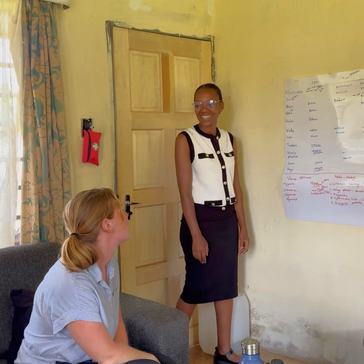
One of my closest relationships here is with my community counterpart Lindo, who is also my Siswati tutor and close friend. She is passionate about all the work she does and has been invaluable for supporting my community integration as well as the grant application. For fun, we mostly hang out at my house as there aren’t a whole lot of places to go nearby.
11. What are you looking forward to in your remaining time as a Volunteer?
I’m part of a 15-month pilot, so I have about six months left in my service, unless I decide to extend. I’m really looking forward to getting my grant approved and moving forward with programming at the youth center.
12. Tell us your favorite phrase in the local language.
I really like using the phrase “kancane kancane” (the “c” is a click sound in Siswati). I would translate it into English as “little by little” or “slowly but surely.” It can be used to talk about anything that I’m learning or trying to accomplish.
13. What will you do differently when you return to the U.S.?
I think I’ll leave with a more holistic perspective on different ways of living and being. I’ve learned to prioritize rest, as I mentioned earlier, and I also look forward to stepping away from consumerism. It’s everywhere, but it feels even bigger in the U.S., so taking a step back from that when I return is something I look forward to.
14. What would you say to someone thinking about joining the Peace Corps?
If you are looking for ways to challenge and transform yourself, Peace Corps is an excellent option to consider. Even after traveling in many different ways, I can say that no experience is even close to my Peace Corps experience, so it is truly unique. Also, don’t let age or college degree stop you! Even if you didn’t complete a university degree, many Peace Corps programs accept work experience or a combination of an associate’s degree and work experience as a substitute.
Learn more about serving as a Peace Corps Volunteer in Eswatini.



