 An official website of the United States government


Featured Volunteer Profile
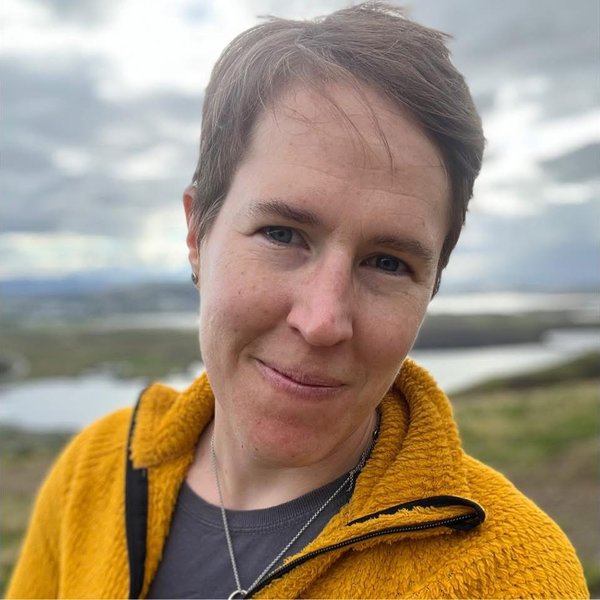
Steph S.
“The adaptability I mastered while teaching in a remote village allows me to thrive in fast-paced IT environments where I must resolve precedent-setting technical issues.”
1. What were your primary responsibilities during service?
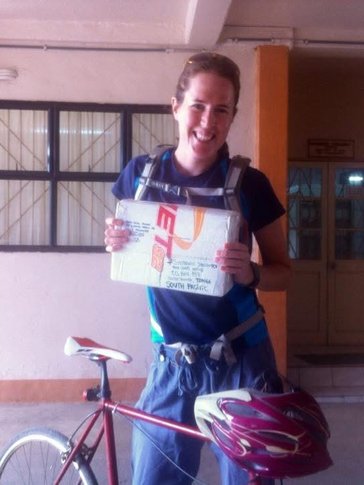
As an English Language Facilitator in Tonga, my primary mandate was to improve English literacy for primary school students in grades 3 through 6. I was responsible for developing and delivering dynamic lesson plans that not only met but exceeded the Ministry of Education’s national curriculum requirements. A significant portion of my role focused on training local primary school staff in student-centered teaching methodologies. Beyond the classroom, I served as a bridge between the school and the community, fostering a culture of reading through extracurricular activities. I also integrated life skills education into my curriculum to help students prepare for secondary education exams. My daily work required constant adaptation to a low-resource environment while maintaining high educational standards.
2. What projects did you collaborate on with your community?
I collaborated with local leaders and residents on several community-centered projects designed to promote educational and economic development. One of my major achievements was creating income-generating microfinance and agricultural projects that benefited over 10,000 village residents. These initiatives were developed in close partnership with village committees to ensure long-term sustainability and alignment with local needs.
Additionally, I worked with school staff to lead weekly workshops to empower teachers with new instructional tools and resources. I also facilitated the development of community programs that met U.S. foreign policy goals by fostering local leadership and self-reliance. These projects relied heavily on building consensus among diverse stakeholders, from village chiefs to parent groups.
3. How did Peace Corps service influence your professional path?
My service in Tonga was the catalyst for my transition into public health and data science. Observing the intersection of community health and economic stability in my village led me to pursue a master’s degree in population health sciences at the University of Wisconsin-Madison. This program allowed me to concentrate on health services research, building directly on the hands-on community development experience I gained as a Volunteer. The challenges of working with limited resources in Tonga also honed my critical thinking and problem-solving skills, which have been foundational to my career in the public sector. This path eventually led me to roles at the Wisconsin Department of Health Services, where I applied analytical models to solve complex policy issues. Ultimately, Peace Corps provided the "real world" context that defines my current approach as a technical architect at Salesforce.
4. How do you use skills honed during service in your current job?
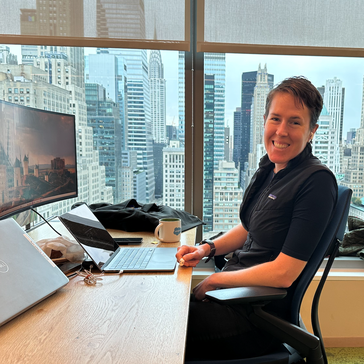
In my current role as a technical architect at Salesforce, I daily apply the intercultural competency and consensus-building skills I developed in Tonga. Leading community projects taught me how to communicate technical or complex concepts to diverse audiences, a skill I now use when guiding federal clients through data strategies and AI implementation. My experience managing high-stakes educational goals prepares me to lead complex projects like AgentForce, ensuring that analytical outcomes support broad organizational objectives. The adaptability I mastered while teaching in a remote village allows me to thrive in fast-paced IT environments where I must resolve precedent-setting technical issues. Additionally, the resilience and independence required during service directly translate to my ability to lead teams and mentor junior consultants.
5. How have you shared the value of Peace Corps service and communities abroad with people in the U.S.?
I consistently share the value of my service through professional networking and mentorship within the RPCV community. In my current role I leverage my unique perspective as an RPCV to advise on projects involving U.S. foreign policy and national security. I also advocate for the value of service in third goal activities, such as co-leading pro-bono CRM migrations for D.C.-based nonprofits. Through these actions, I demonstrate to my colleagues and community that Peace Corps service is a powerful asset for domestic innovation and leadership.
6. How have you remained involved with the Peace Corps community following service?
Since returning, I have remained deeply connected to the Peace Corps community through leadership and mentoring roles. I am an active member of the Returned Peace Corps Volunteers of Washington, D.C., where I have served as the board president. In this role, I have worked to restructure mentoring programs and establish partnerships with organizations like RPCV Nexus to support newly Returned Volunteers. I also maintain strong ties with my cohort and other RPCVs by organizing professional development events and volunteer activities. My involvement extends to the national level, where I contribute to Peace Corps anniversary initiatives and blog spotlights to promote the agency’s ongoing mission. These connections allow me to give back to the community that was so instrumental to my own personal and professional growth.
7. What do you miss most about your host country?
I miss the pace of life and deep sense of community in Tonga. The concept of “island time” taught me patience and presence, while Sunday umu feasts brought everyone together in a way that centered on connection, gratitude, and sharing. Above all, I miss the everyday expressions of faka-Tonga — the generosity, humor, and collective spirit that made even ordinary moments feel meaningful.
8. What’s your favorite word in the local language of your host country?
Faka'apa'apa (respect). This value is at the heart of Tongan culture and shapes how people interact with one another, from family relationships to community leadership. It influenced how I showed up as a Volunteer and continues to guide how I engage professionally and personally.
9. What would you say to someone thinking about joining the Peace Corps?
Be comfortable with being uncomfortable. Peace Corps will challenge your assumptions, stretch your resilience, and push you far beyond your comfort zone — and that’s where the real growth happens. The long-term benefits are immense, from career opportunities like non-competitive eligibility (NCE) to graduate school pathways, but the personal transformation is even more impactful. It’s a rare chance to build meaningful relationships, serve alongside communities, and gain a global perspective that stays with you for life.
Learn more about serving as a Peace Corps Volunteer in Tonga.



