 An official website of the United States government


Featured Volunteer Profile
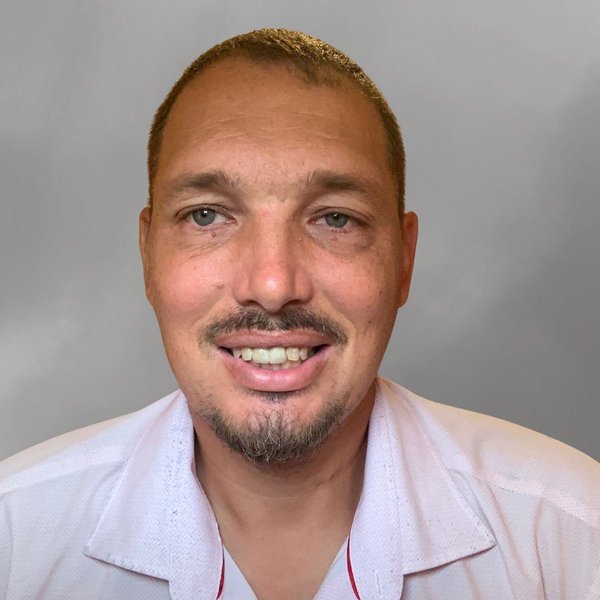
Blaine C.
“To truly have a sense of community, we need to know and interact with the people we share a space with. To be part of a community is an intentional act that fills me with a sense of belonging.”
1. What got you interested in the Peace Corps?
I am a servant leader, always seeking opportunities to share my talents where needed. After 10 years working in my field, I knew it was time to offer what I had learned to a community outside my country. Selfishly, I wanted the experience of immersing myself in a new culture, but after 10 years of research and working in education, I learned much about how to support students, and I wanted to share my experience and skills with a community abroad.
2. What projects are you working on?
I am working with the staff at my school to create a more positive school culture. We are working to improve teacher, student, and parent interactions. I facilitated a 16-hour workshop on teamwork with the staff that included various exercises to overcome the five challenges that can occur within a team: absence of trust, fear of conflict, lack of commitment, avoidance of accountability, and inattention to results. Through this workshop, we developed conflict norms, rules of engagement, and a thematic goal. We have also created a sensory path to help students regulate their emotional states, enacted a behavior matrix to help manage student behaviors, and revived the PTA at the school.
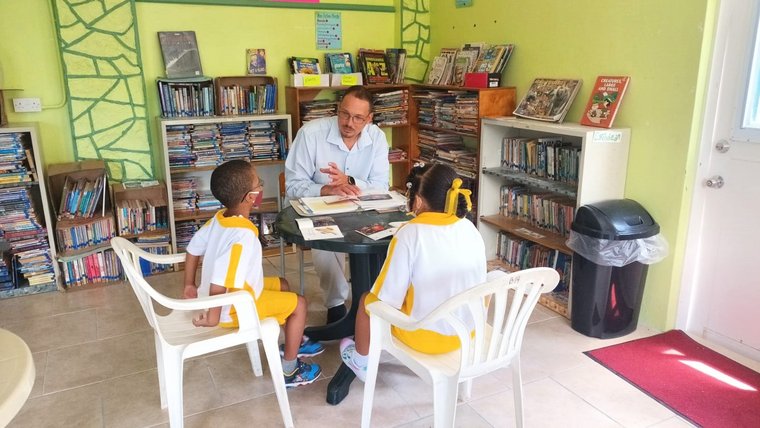
Working with the literacy committee, I helped develop a family literacy activity at the school called “pajama night.” We invited families to come to the school dressed in pajamas for an evening of literacy activities. We had stations for read-aloud, story comprehension, and literacy games. The night was a big success, with most families attending.
I am currently working with the literacy committee to develop an oral reading challenge. We plan to have students practice their oral reading every week for a month. The students will submit videos of themselves reading at the end of each week and will be able to track their progress throughout the challenge on a website. The first and last reads of this challenge will be done without practice so we can measure student progress.
3. What strategies have you used to integrate into your community?
My primary strategy for integrating into my community has been to walk around and talk with people. My first few weeks in my community I made a point of being outside and introducing myself as the new Peace Corps Volunteer. When school started I did not have as much time, but still went for walks on Saturdays to maintain relationships I had built. I also spend time reading on my porch. People walking by can stop and chat with me. Another important strategy has been regular attendance at church. The principal invited me to attend the Catholic Mass at the school on Sundays. When service ends I wait outside and interact with many members of the community.
4. What is a highlight of your time in service so far?
My service has been an exceptional experience. I am in a community that has readily accepted me and working in a school that appreciates the ideas I contribute. I have been invited to facilitate multiple workshops to share my ideas with teachers, and through a small grant, we have implemented a behavior matrix the school had developed but lacked funds to implement. I believe the school culture improvement project will have an impact that outlasts my time at the school.
5. What have you enjoyed most about the community where you are serving?
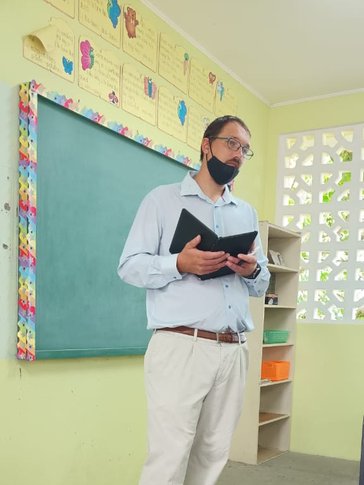
I’m in a small rural community in the countryside of Saint Lucia. People have a deep sense of community and connectedness. Everyone knows each other and are quick to help when a neighbor is in need. I live in a small cul-de-sac surrounded by three neighbors. I know them all well, and they have all supported me through service in one way or another. I feel safe and valued within my community.
6. What are some of the most important things you’ve learned from your community?
My community has taught me the importance of knowing your neighbors. To truly have a sense of community, we need to know and interact with the people we share a space with. To be part of a community is an intentional act that fills me with a sense of belonging. When we take the time to know our neighbors, we understand that our actions impact more than ourselves. The projects I engage with at the school support the students in their development and give a sense of pride to the community.
7. How do you spend time when you are not working on a project?
Outside of school, I spend the majority of my time reading books and interacting with my neighbors. I have always been an avid reader and find I have much more time for it here. The books I read sometimes apply to my work at the school and inspire new ideas I can bring to the staff. I also have a neighbor who enjoys talking about philosophical ideas so I am often able to talk with him about what I am reading. I also like to find time to go out and explore. I have a friend in the community who goes hiking with me to visit some of the hidden gems often overlooked by tourists.
8. What are you looking forward to in your remaining time as a Volunteer?
I look forward to continuing to go to school every day. I enjoy interacting with students and teachers, sharing ideas, and helping bring projects to life. We have just started to bring our PTA back to life, and I can’t wait to see how it grows through the remainder of my service. I am excited to see how our oral reading challenge goes; we are about to pilot this challenge for the month of February and hope to grow it based on what we learn from the pilot. I have settled into life here and am in no hurry to end my time.
9. Once you finish your service, what will you do differently when you return to the U.S.?
I lived a very unhealthy life in the U.S. I ate fast food for most meals and spent much of my free time watching television. I have broken these habits in service and intend to keep them broken. I plan to be more intentional about how I spend my time. I will take the time to meet and interact with my neighbors, look for opportunities to support my community, and look for fulfillment in my actions rather than my possessions.
Want to learn more about serving in the Eastern Caribbean? Connect with a recruiter today.



