 An official website of the United States government



Returned Volunteer Profile
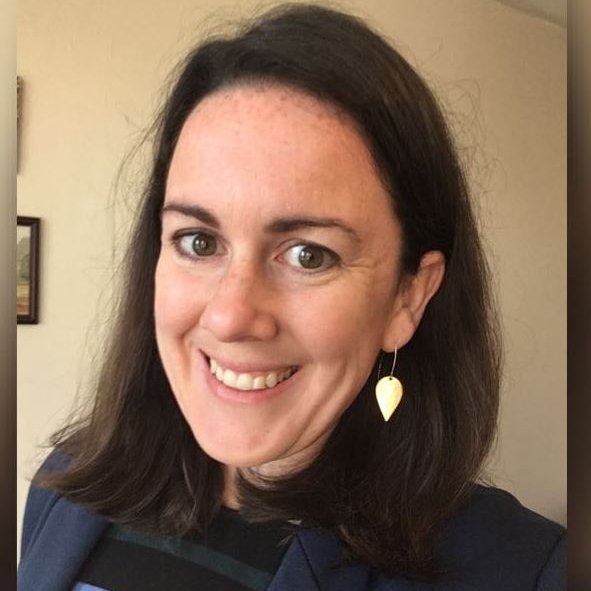
Beth B.
“Peace Corps helped me realize a life of public service was the right path for me. Although I now work at a whole different level, the grassroots exposure to agriculture and subsistence farming provided me with a perspective I use every day.”
1. What were your primary responsibilities during service?
My primary responsibilities during service were agroforestry related. I encouraged farmers to introduce nitrogen-fixing trees in their fields as a way to reduce dependence on expensive and hard to access fertilizer. I also taught environmental and earth science classes at the primary school. In my third year, I moved to another location and introduced permaculture gardening to inmates in Zambia’s largest prison.
2. What projects did you collaborate on with your community?
With my community, I collaborated on agriculture and agroforestry projects. A primary project was helping farmers consider incorporating nitrogen-fixing trees into their fields as a way to reduce dependence on fertilizer. I also grew a demonstration field to demonstrate intercropping techniques. With the school, I taught environmental conservation lessons. The students’ efforts to learn about conservation culminated in raising money for a field trip to the nearby national park. That trip was a highlight! During my third year, my primary project was teaching permaculture principles at a prison. Men and women learned new techniques to build on their existing farming knowledge. This provided them with additional job skills for after their release. In the immediate term, growing new vegetable varieties under permaculture principles provided another source of nutrition to inmates living with HIV and AIDS. Seeing the first harvest from the garden and how proud they were to have additional healthy vegetables for themselves and others was the biggest highlight of my service. Helping someone else feel proud of themselves is the best project a Volunteer can have.
3. How did Peace Corps service influence your professional path?
My Peace Corps service cemented what was always there: a desire to be a part of the global agricultural community and to help on behalf of the United States. Peace Corps helped me realize a life of public service was the right path for me. Although I now work at a whole different level, the grassroots exposure to agriculture and subsistence farming provided me with a perspective I use every day.
4. How do you use skills honed during service in your current job?
My job today is the Europe regional operations director with USDA’s Foreign Agricultural Service. It’s a trade and development agency and I manage a team of foreign service officers (FSOs) and local staff in posts around Europe. Yes, USDA has FSOs, not only the State Department. Come work for us!
It may not seem as if I would, but I use tons of my Peace Corps skills in my current job. First, I use all the core skills of adaptability, resilience, communication, and intercultural competency, which I credit to my service. The understanding I gained through service in small-scale farming, political and policy impacts on agriculture, and the economic factors impacting consumer demand for agricultural products all help me a lot in my current role. Agricultural trade is increasingly globalized and interconnected, so experience in an African context does carry over to a role in the Europe region! Also, interacting with the U.S. Embassy in Zambia during my service provided me a foundational understanding of embassy operations. That has come in handy as I manage FSOs who work in other U.S. missions.
5. Have you helped those at home understand the value of Peace Corps service and communities abroad?
I have shared my experience in so many ways! I will talk about Peace Corps whenever I can and to whoever seems interested, as I believe in the agency’s mission and want to inspire future Volunteers. I also enjoy sharing about Zambian culture with Americans. I’m involved with the Zambian community here in the metropolitan surrounding the District of Columbia and so I enjoy sharing about the Peace Corps with Zambians. They’re uniquely positioned to have valuable insights about how Peace Corps can benefit Zambia. My favorite response is to tell people there is no upper age limit—it’s never too late to volunteer. I even have a Peace Corps sticker on my mailbox in case I my postal worker wants to volunteer!
6. What Peace Corps benefits have been useful to you?
Three Peace Corps benefits have been useful to me. First, I used my service award* to pay off all my remaining student loans from undergrad. That allowed me to pursue a wider range of positions after service as I was less financially burdened. Second, I used non-competitive eligibility (NCE) to move from a temporary to a career position with the U.S. Department of Agriculture. Third, I was able to pay the nominal amount to have my years of Peace Corps service counted towards my overall years of federal service—I immediately began accruing leave at a faster rate and have reached milestones of federal service faster.
*readjustment allowance
7. Have you remained involved with the Peace Corps community following service?
The Peace Corps community is important to me and I’ve remained involved by participating in the USDA RPCV group and sharing about my service with RPCV colleagues. Volunteers I served with live all over the country, and of course social media helps keep us in touch. Recently I ran into someone on the metro train whom I’d served with. We recognized each other as if no time had passed. I met my husband during my time as a Volunteer, so my ongoing connection to Zambia is through my in-laws. The Association of Zambians here in the metropolitan surrounding the District of Columbia is very active and many of our friends are in the community.
8. What tips do you have for Volunteers returning from service?
I’d remind Volunteers that what they just completed has no equal. There is nothing else so profound and formative as Peace Corps service, and we’re lucky to have served. Where else can you be welcomed into a community and share your life with your neighbors for two years? Nowhere. It’s a profound honor to have host country nationals welcome you into the joys and struggles of their daily lives and to welcome you as you work together towards goals that community wants to achieve. Nowhere else can you experience such fascinatingly unique cultural events that we don’t have in the United States! As time goes on, those are the primary feelings I have of service and what I hope returning Volunteers remember, too. Let go of the frustrating parts (there were many too!) as they fade in time.
My last tip is to talk about your service as much as you can to whomever will really listen. Goal three is important and stories of your service will inspire future generations of Volunteers.
Learn more about serving as a Peace Corps Volunteer in Zambia.



